Ribeirão Preto Public Transport Faces Surge in Driver-Related Complaints
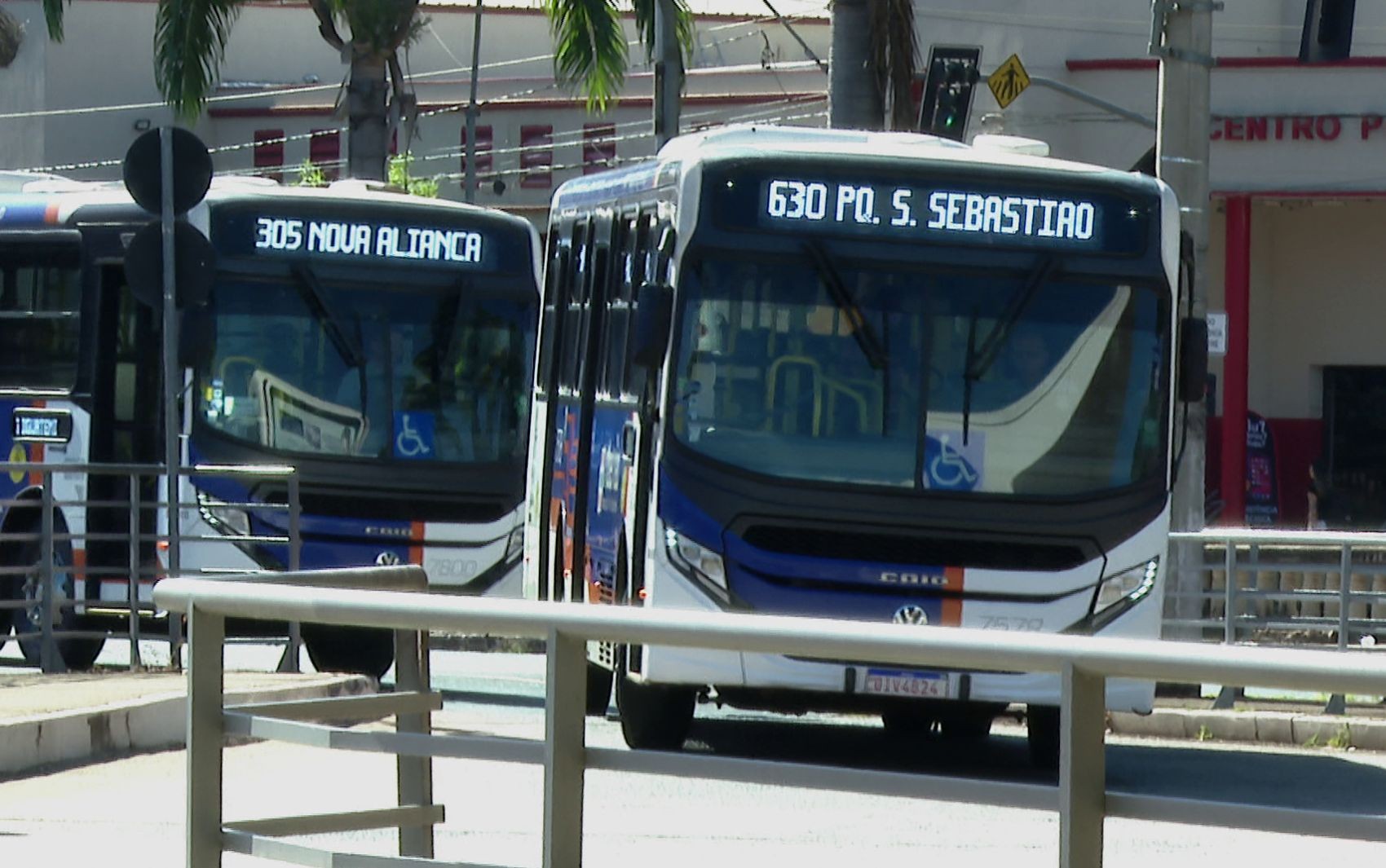
Ribeirão Preto, SP residents have voiced significant concerns regarding the city's public transportation system in the first half of 2026. The RP Mobi, the municipal transit authority, recorded 1,800 complaints, with a notable shift towards issues concerning driver conduct. Specifically, 1,172 complaints related to driver performance, while 635 stemmed from operational failures such as schedule adherence, overcrowding, and route deviations. Among the driver-related issues, the most frequent were buses not stopping at designated points (455 complaints) and a perceived lack of driver training (398 complaints). Other passenger grievances included difficulties with boarding and alighting (120), inadequate driver treatment (72), and traffic accidents involving buses (63).
In response, RP Mobi stated that all complaints are reviewed and forwarded to Consórcio Pró-Urbano, the concessionaire operating the bus lines, for appropriate action. The Consórcio Pró-Urbano maintains that drivers undergo monthly training focused on general customer service and assisting passengers with disabilities. They also noted that complaints are handled by company supervisors and that not all are deemed valid, with investigations including review of line and vehicle data, and camera footage to ascertain facts. While operational complaints were more prevalent in the first half of 2025, the trend in 2026 shows a rise in passenger service issues, despite the availability of a new fleet and a bus schedule app. Passenger satisfaction remains a challenge, underscored by a recent incident where a 65-year-old woman sustained a fractured femur after falling on a bus, attributing it to abrupt acceleration, though the Consórcio Pró-Urbano's review of camera footage did not corroborate this claim.
The data from Ribeirão Preto's public transport system highlights a critical tension between operational efficiency and passenger experience. While the Consórcio Pró-Urbano emphasizes monthly driver training and investigative processes for complaints, the persistent volume of issues, particularly concerning driver behavior, suggests potential systemic gaps. The shift in complaint focus from operational to service-related issues, even with new fleet investments, indicates that the human element of public transit is a significant driver of passenger satisfaction. Future strategies may need to integrate more advanced driver training methodologies, potentially leveraging AI for performance feedback, and explore mechanisms for more transparent and responsive complaint resolution to rebuild public trust and ensure equitable access to mobility.
AI-generated to prompt reflection — not editorial opinion, not advice, not a statement of fact. How this works.