Ribeirão Preto Recovers from Devastating Storm: Power, Water, and Health Systems Impacted
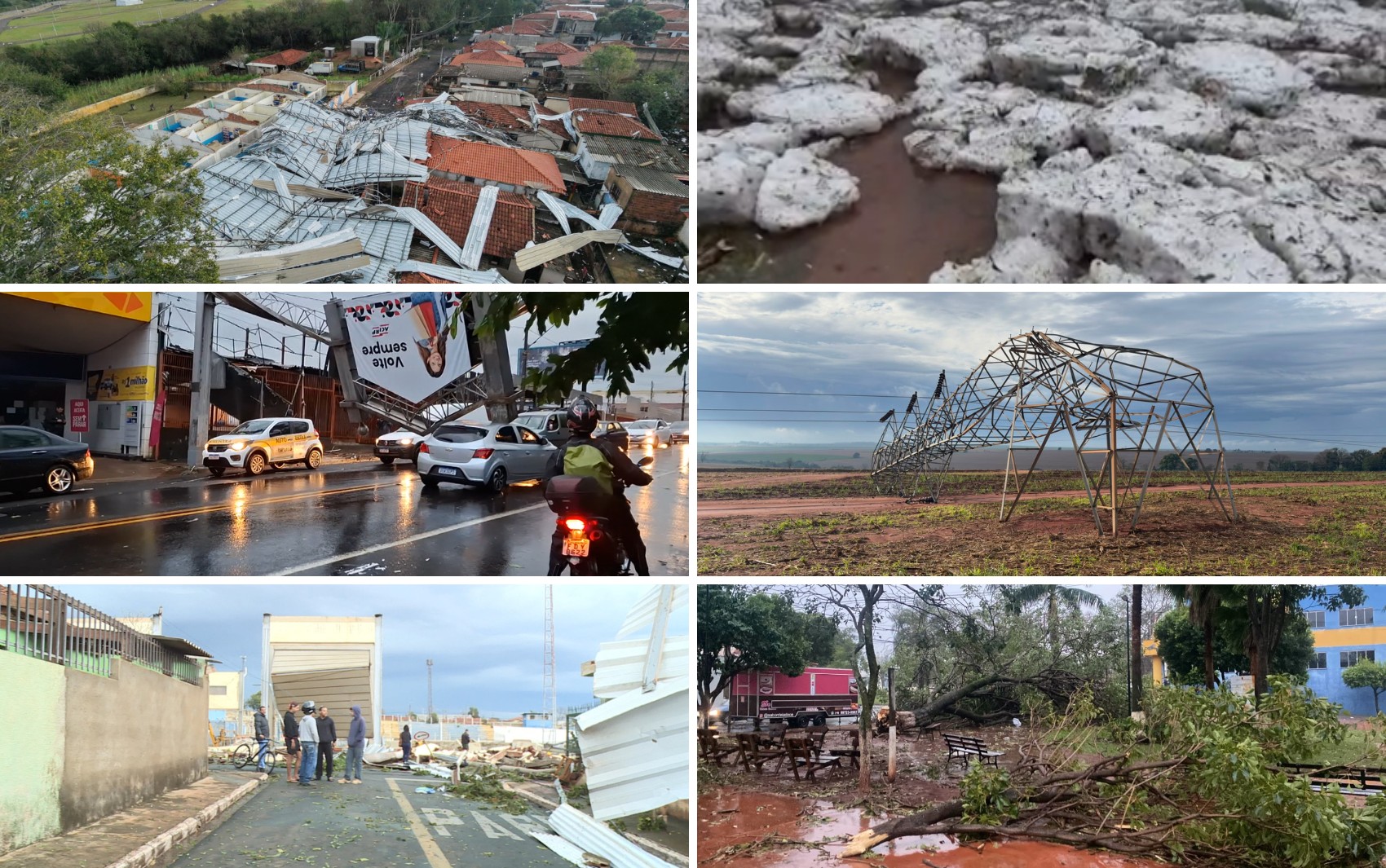
The region of Ribeirão Preto, São Paulo, is grappling with the aftermath of a severe thunderstorm that struck on the morning of July 24th. The storm featured wind gusts up to 122 km/h and dropped 24 millimeters of rain in just 20 minutes, described by meteorologists as a series of "microbursts." The event resulted in one confirmed fatality, a man killed by a collapsing shed structure, and widespread destruction impacting streets, public buildings, hospitals, and homes. Municipalities have declared states of emergency, with rescue teams encountering scenes of "war" characterized by uprooted trees, downed poles, and roofs torn from buildings. A crisis cabinet has been established in Ribeirão Preto to coordinate response and humanitarian aid, with support from state and national Civil Defense. The immediate priority is restoring electricity, which is crucial for other essential services like water supply. Approximately 81,000 properties remained without power 34 hours after the storm. The power grid suffered unprecedented damage, with 34 transmission towers and over 250 poles destroyed. At its peak, nearly 100% of Ribeirão Preto lost electricity, and eight of CPFL's 14 substations were shut down. CPFL has deployed 300 teams to repair the network, aiming to restore service in Ribeirão Preto by the end of Saturday, prioritizing hospitals and water pumping stations. Telecommunication and internet services also experienced widespread instability. The healthcare system faced critical challenges, with 100% of public ICU beds occupied post-disaster. The city contracted seven private ICU beds and added ten emergency beds. Emergency care units received additional medical staff to handle injuries, ranging from 15 to 20 individuals with minor wounds. Several hospitals sustained structural damage, leading to patient relocations and temporary closures of Basic Health Units (UBSs), forcing the cancellation of a vaccination campaign. Elective surgeries are suspended to prioritize urgent cases. The state health secretary is coordinating bed regulation to ensure all patients receive care. Water supply was significantly disrupted due to power outages affecting artesian wells; initially, 96 wells were inoperable, a number reduced to 28 still without power. Eleven state-provided water trucks are assisting critical areas, and authorities urge water conservation. The restoration of power to water pumping stations is a top priority for CPFL. Traffic in Ribeirão Preto was severely impacted by traffic light failures and numerous road blockages from fallen trees. The traditional archway on Avenida Dom Pedro I collapsed onto a car, though its occupants were unharmed. The city's blue zone parking system has been suspended, and residents are advised to avoid unnecessary travel. Security forces are operating at maximum capacity amidst the chaos.
The severe storm in Ribeirão Preto highlights the vulnerability of critical infrastructure to extreme weather events, exacerbated by climate change. The cascading failures across power, water, and communication networks underscore the interconnectedness of essential services and the need for resilient system design. The response efforts, while demonstrating immediate mobilization, also reveal potential gaps in preparedness for such high-impact, low-frequency events. Future urban planning and infrastructure investment must prioritize hardening against climate-related risks, potentially through distributed energy resources, advanced weather forecasting integration, and robust emergency response protocols. The event serves as a case study for evaluating the efficacy of public-private partnerships in disaster recovery and the importance of maintaining redundancy in essential service provision to mitigate widespread disruption in the face of increasing environmental volatility.
AI-generated to prompt reflection — not editorial opinion, not advice, not a statement of fact. How this works.