Ribeirão Preto Region Recovers One Week After Devastating 160 km/h Storm
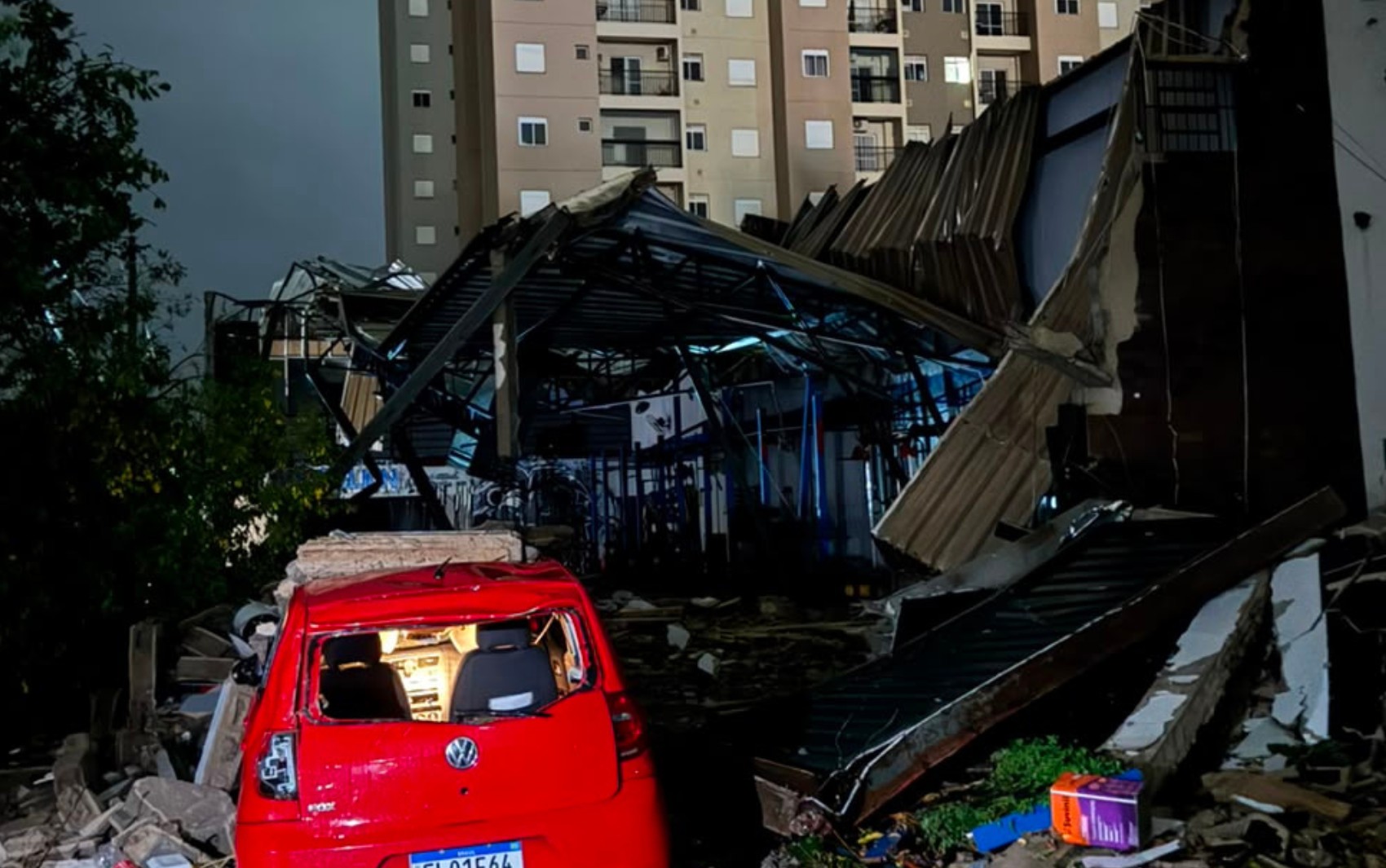
One week after a severe storm with winds reaching 160 km/h ravaged the Ribeirão Preto region in São Paulo, Brazil, cities are still assessing damages and working on service restoration. The tempest, which occurred on Friday, November 24th, resulted in one fatality, left cities in a state of emergency, and caused widespread destruction including damaged roofs, affected schools and health units, fallen trees, and disruptions to water, power, telephone, and internet services. The power utility CPFL reported that the electrical grid collapse was primarily due to the toppling of 34 transmission towers and at least 200 broken utility poles. In Dumont, a city of approximately 9,719 inhabitants, nearly all properties (99.94%) experienced power outages at the peak of the storm. Similarly, Guariba saw 99.85% of its properties without electricity, Taquaritinga 68.94%, and Ribeirão Preto 55.68%. As of Friday, November 31st, power supply has been normalized across all affected municipalities. Ribeirão Preto, the most impacted city, reported over 500 fallen trees and 1,806 displaced residents receiving socio-assistance. The municipality has estimated R$ 21.15 million in costs for emergency urban maintenance, including debris removal and tree management. In Dumont, around 100 homes suffered significant damage, with 48 people displaced and eight left homeless, receiving aid from local authorities and social services. Educational institutions in both cities faced challenges, with numerous schools initially unable to operate due to structural damage and debris, though most have since resumed classes.
The severe weather event in Ribeirão Preto highlights the critical need for robust urban infrastructure resilience against increasingly extreme climate phenomena. The widespread power outages, affecting nearly all properties in some municipalities, underscore vulnerabilities in energy grid design and maintenance, particularly concerning transmission towers and distribution poles. The significant damage to public services like schools and health units, alongside the substantial costs for cleanup and repairs, points to systemic underinvestment in disaster preparedness and mitigation strategies. Future planning must integrate climate change projections to enhance the capacity of essential services and infrastructure to withstand such events, potentially through diversified energy sources, reinforced utility structures, and advanced early warning systems. The economic impact on agriculture, as noted with a peanut producer's R$35 million loss, further emphasizes the interconnectedness of climate events with regional economies and the imperative for adaptive agricultural practices and insurance mechanisms.
AI-generated to prompt reflection — not editorial opinion, not advice, not a statement of fact. How this works.