Ribeirão Preto Resident Faces Fourth Day Without Power After Severe Storm
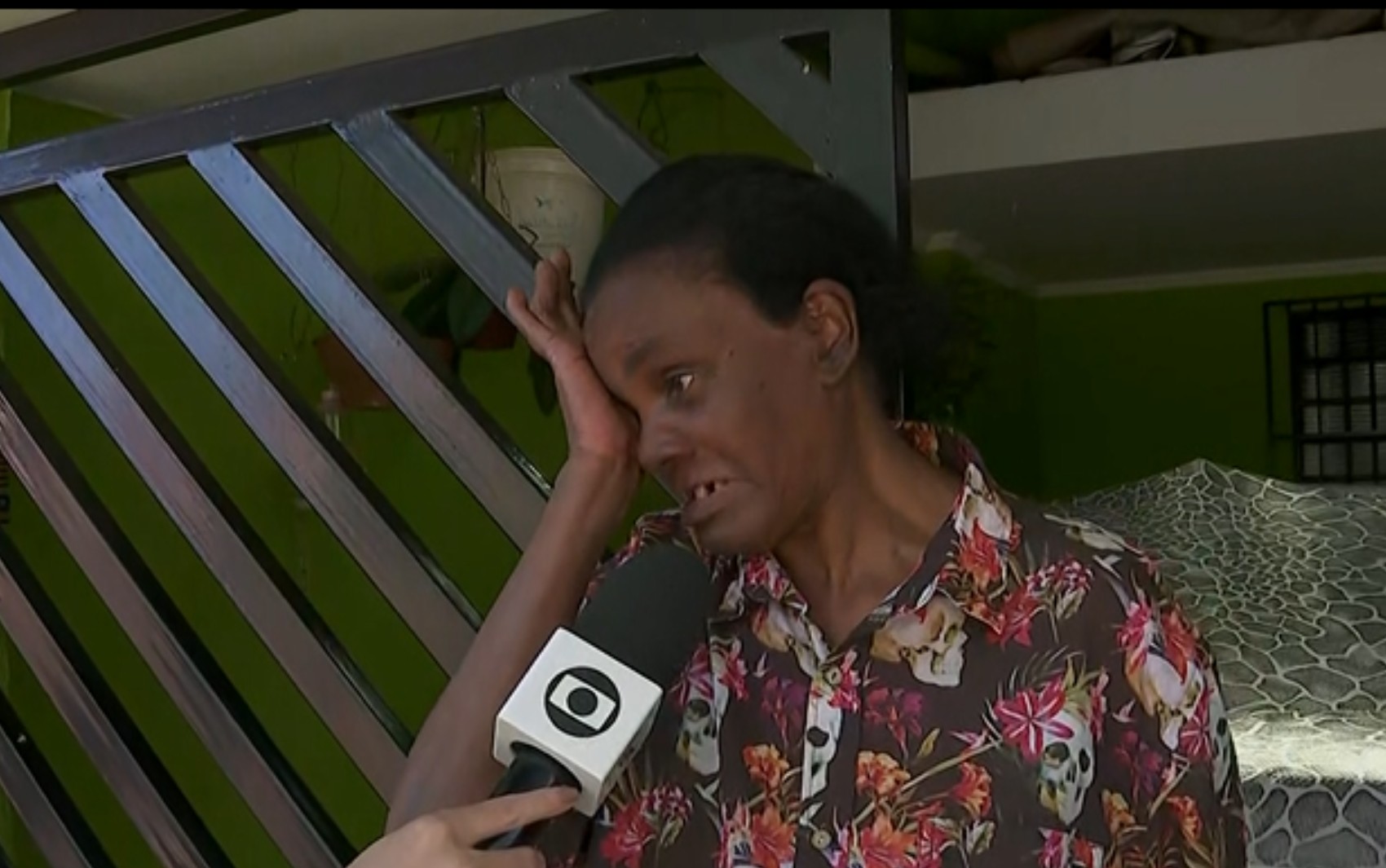
Claudete Aparecida de Paula Silva, a caregiver in Ribeirão Preto, São Paulo, expressed her distress on Monday, March 27th, as her household entered its fourth day without electricity following a severe storm. She and her 83-year-old mother have been enduring the outage, which has spoiled their food supplies. Silva, who cares for 15 children, stated that the lack of power significantly hinders her ability to work. She described the hardship of seeing her mother suffer due to the situation, resorting to ice chests to preserve what food they could. CPFL Paulista reported that 1,249 units remained without power in Ribeirão Preto since the storm hit on Friday, March 24th. The storm's intensity was significant, with wind speeds reaching up to 160 km/h in the Ribeirão Preto region, according to the Agronomic Institute of São Paulo. Municipal teams are currently clearing over 250 fallen trees caused by the storm. CPFL indicated that power restoration is in its final stages, with concentrated efforts in Guariba, the most affected municipality, and only isolated issues remaining in Ribeirão Preto and other nearby towns. The National Institute of Meteorology (Inmet) is investigating the storm's cause, considering possibilities such as a microburst or tornado due to its localized nature, though further analysis is required.
The prolonged power outage in Ribeirão Preto, exacerbated by a severe storm with high winds, highlights the vulnerability of critical infrastructure to extreme weather events. The incident underscores the need for enhanced grid resilience and rapid response protocols, particularly in regions susceptible to meteorological extremes. The economic and social impacts, including spoiled food and disruption to essential services like childcare, demonstrate the cascading effects of infrastructure failure. Future planning should consider climate change projections and invest in infrastructure upgrades that can withstand increasingly intense weather phenomena, ensuring more robust and timely restoration of services to affected communities.
AI-generated to prompt reflection — not editorial opinion, not advice, not a statement of fact. How this works.