Ribeirão Preto Residents Can Pre-Register for FGTS Calamity Fund Up to R$6,220
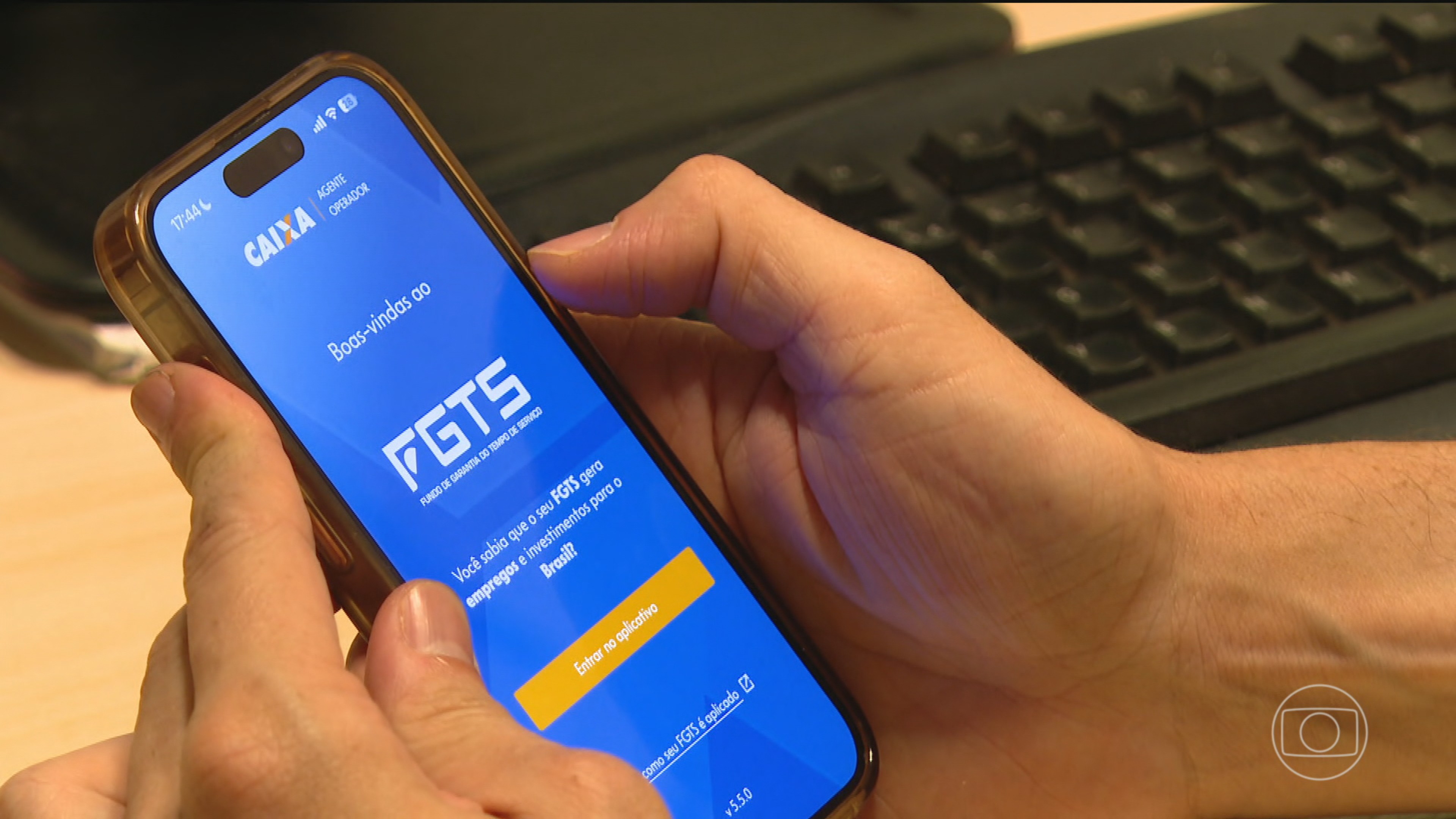
Residents of Ribeirão Preto, São Paulo, who experienced structural damage to their homes due to the storm on July 24 can now pre-register for the FGTS Calamity Withdrawal. This benefit, managed by Caixa Econômica Federal, can provide up to R$6,220 per worker, depending on available FGTS balance. The pre-registration process begins Monday, August 3, and can be completed online via the City Hall Portal or in person at 14 designated service points across the city. To qualify, applicants must provide proof of damage, such as a police report, technical assessment, or photographs, along with a photo ID and proof of residence issued within 120 days prior to the storm. The pre-registration is per property, but multiple eligible residents at the same address can apply. False declarations of residence are considered a crime and will result in legal repercussions. This pre-registration is a mandatory step for the municipality to identify affected areas and eligible workers; the actual withdrawal request will be made later through the FGTS app after Caixa approves the municipality's request. Nielder Honorato, Caixa's network superintendent, emphasized that visiting Caixa branches is not necessary at this time. The City Hall will forward the collected information to Caixa for review and approval, with eligible workers able to apply through the FGTS app once the process is authorized. The application will require selecting the calamity withdrawal option, specifying the municipality, and submitting the necessary documentation. Funds can be directed to a Caixa account or another bank without additional cost.
The FGTS Calamidade withdrawal mechanism aims to provide financial relief to individuals impacted by natural disasters. The process, requiring pre-registration and subsequent approval by Caixa Econômica Federal, highlights a structured approach to disaster relief distribution. This system balances the need for swift aid with the imperative of preventing fraud and ensuring accurate allocation of public funds. The distinction in rules for municipalities under 50,000 inhabitants versus larger cities like Ribeirão Preto underscores the administrative complexities in scaling disaster response. Future iterations of such programs might explore leveraging digital identity and blockchain technology to streamline verification and disbursement, potentially reducing administrative overhead and expediting access to funds for affected citizens while maintaining robust security and accountability.
AI-generated to prompt reflection — not editorial opinion, not advice, not a statement of fact. How this works.