Ribeirão Preto's Historic Palestra Itália Club Sold for R$6.75 Million
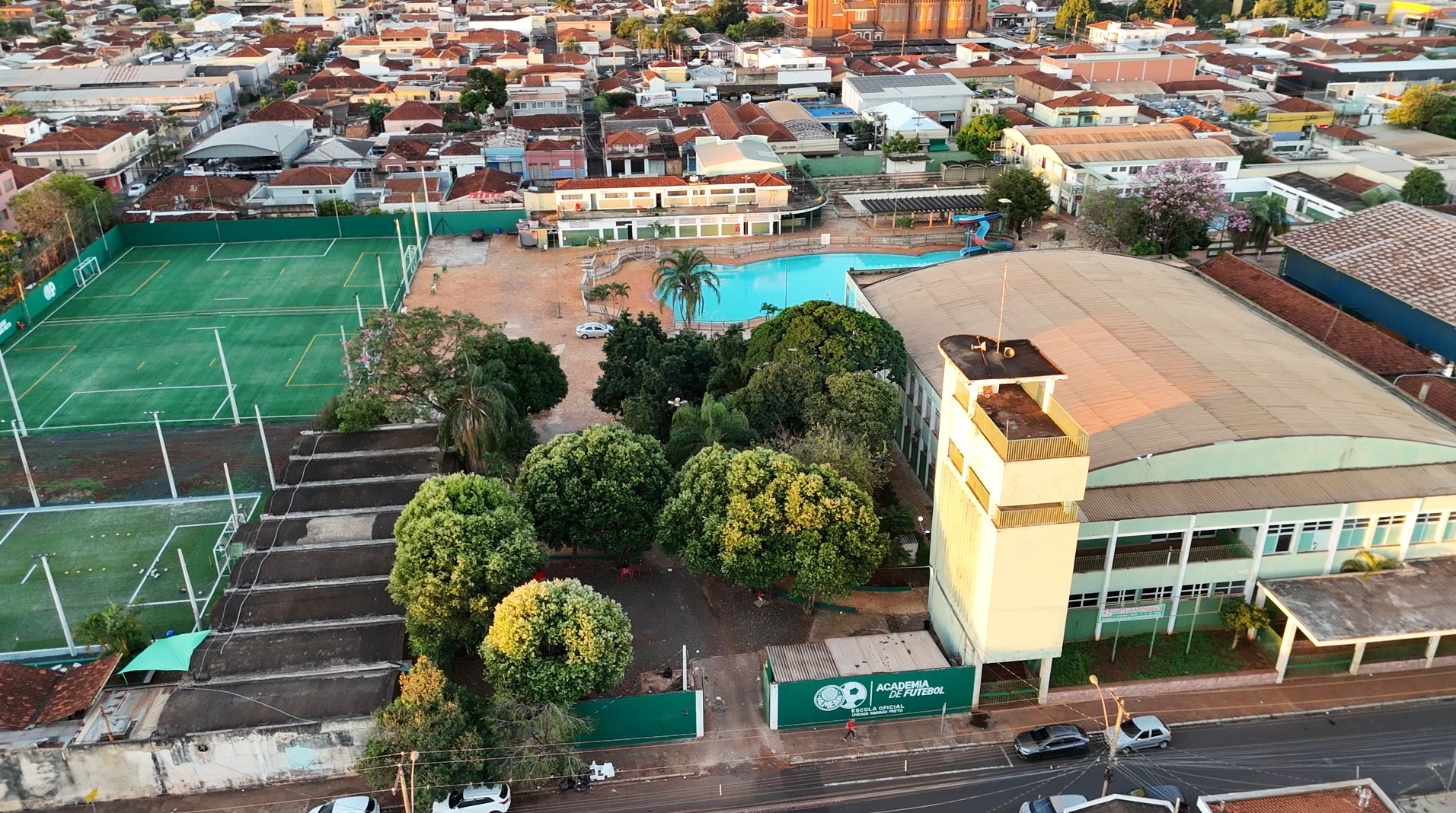
The Palestra Itália Club in Ribeirão Preto, São Paulo, a centenarian institution, has been sold for R$6.75 million to a group of investors. This 19,000-square-meter property, located in the Campos Elíseos neighborhood, holds significant historical value as a former leisure and social hub for factory workers' families throughout the last century. Founded in 1917 by Italian immigrants, the club reached its peak between the 1960s and 1980s, boasting up to 8,000 active members, primarily workers from major regional companies like Cervejaria Paulista and Antarctica. It provided a vital space for socialization, sports, and celebrations, mirroring the social activities of the elite at the time. However, in recent decades, the club experienced a gradual decline, marked by a loss of members and accumulating debts, leading to its near-desactivation. The sale aims to revitalize the space and settle outstanding fiscal and labor debts, particularly those owed to former employees dismissed between 2007-2009 and during the COVID-19 pandemic. The new owners, DZ Empreendimentos Imobiliários and Golden Business, plan to renovate the sports center while preserving the original building's architecture. Interestingly, the club's historical heritage protection status was recently revoked, a decision attributed to a lack of societal motivation for its continued preservation, despite historical significance. The historian Felipe Souza advocates for the preservation of original architectural elements, emphasizing their importance to Ribeirão Preto's history, even without legal protection.
The sale of the Palestra Itália Club highlights a common urban dynamic where historical social institutions face challenges adapting to evolving societal habits and economic pressures. The club's transition from a vibrant community center to a financially distressed asset reflects broader shifts in leisure activities, urbanization, and the impact of digital connectivity on traditional social spaces. The revocation of its heritage status, justified by a perceived lack of societal engagement, raises questions about how cities balance the preservation of collective memory with the practicalities of urban development and economic viability. The investors' stated intention to revitalize the site while preserving architectural elements presents an opportunity to integrate historical consciousness with contemporary community needs, though the success of this endeavor will depend on balancing commercial objectives with genuine public benefit and cultural stewardship.
AI-generated to prompt reflection — not editorial opinion, not advice, not a statement of fact. How this works.