Ribeirão Preto Samu Reports Over 2,800 Prank Calls in First Half of Year
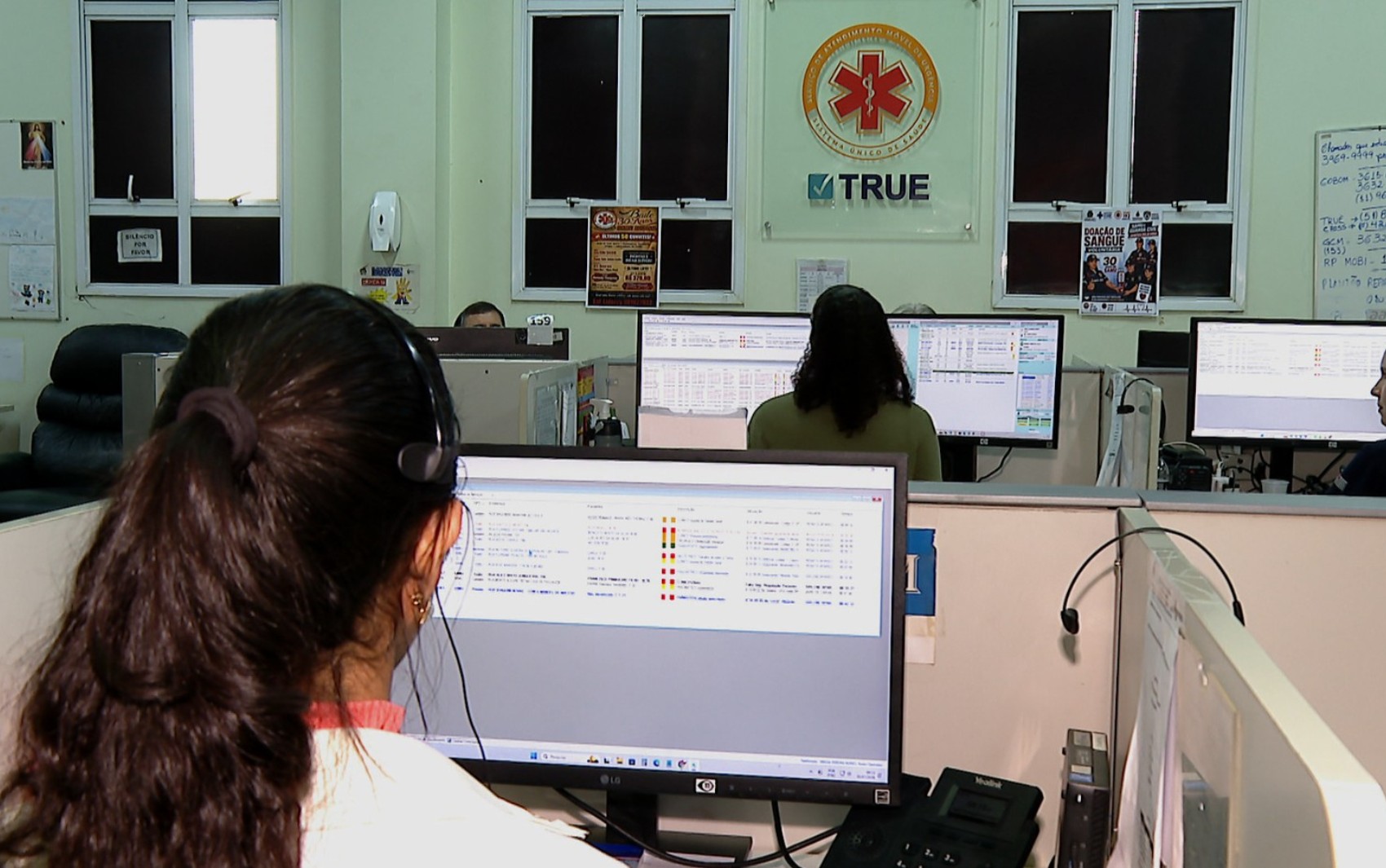
The Mobile Emergency Care Service (Samu) in Ribeirão Preto, São Paulo, recorded 2,822 prank calls during the first six months of this year. This amounts to an average of approximately 12 false alarms per day across the 26 municipalities served by the regional center. Overall, the 192 emergency line received more than 87,000 calls in the period, with prank calls constituting about 3% of the total volume.
According to Leonel Figueira, a regulatory physician at Samu Ribeirão Preto, the service handles an average of 166 calls for assistance daily, with around 12 of these being pranks. These false calls significantly disrupt emergency response, diverting resources and potentially delaying critical care for genuine emergencies. The issue affects not only Samu but also the fire department and military police, which also receive daily prank calls.
Figueira noted that prank calls are made by individuals of all age groups, from children to adults. In some instances, prank calls have been used as a tactic to divert emergency services' attention during criminal activities, with false reports of injuries masking real crimes elsewhere. Making prank calls to emergency services is a criminal offense in Brazil, punishable by detention or a fine. Samu registers all false calls, and serious cases are forwarded to the Civil Police for investigation.
The high volume of prank calls to emergency services like Samu highlights a systemic challenge in public resource management and civic responsibility. While the legal framework criminalizes such actions, the persistent occurrence suggests that deterrence through penalties alone may be insufficient. Future interventions could explore educational campaigns targeting various age groups to foster a greater understanding of the severe consequences of misusing emergency services. Furthermore, technological solutions for call tracing and identification, coupled with streamlined inter-agency cooperation between emergency responders and law enforcement, could enhance accountability. The long-term impact of these disruptions on public trust and the efficiency of critical care systems warrants ongoing monitoring and adaptive strategies within the evolving digital landscape.
AI-generated to prompt reflection — not editorial opinion, not advice, not a statement of fact. How this works.