Ribeirão Preto Sees Hybrid and Electric Car Sales Double in One Year
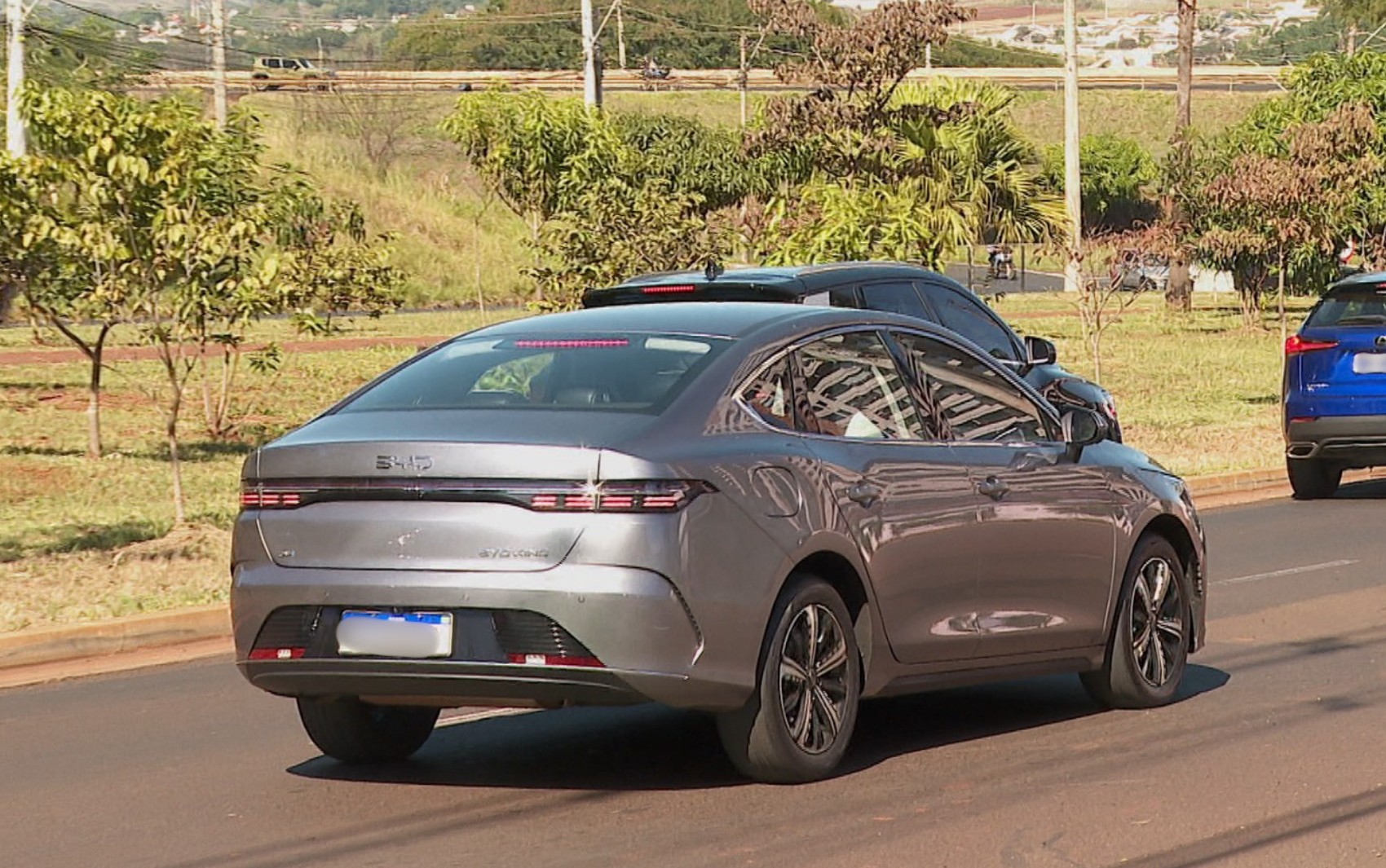
Sales of hybrid and electric vehicles in Ribeirão Preto, São Paulo, have doubled over a one-year period, according to data from the Brazilian Electric Vehicle Association (ABVE). The region's electrified vehicle fleet grew from 659 units in the first half of 2025 to 1,359 in the same period of 2026. A sales manager at a specialized dealership expressed optimism, anticipating even greater sales growth in the coming months and believing their current sales target will be surpassed. He noted that sales are increasing daily, describing the trend as "incredible."
Technological advancements are a key driver behind the purchase of electrified vehicles, alongside economic savings. A mechanic highlighted the improved reliability of modern models due to advancements in battery cooling systems, which were lacking in older vehicles. He also pointed out the increased efficiency of these cars, with some hybrid models achieving fuel economy equivalent to 30 kilometers per liter. This evolution has reduced consumer apprehension, as people witness the confidence manufacturers are instilling. Potential buyers are advised to research vehicle operation and necessary maintenance for longevity. The mechanic also stressed the importance of understanding the differences between hybrid and electric systems, noting that while hybrids have self-managing energy systems, electric vehicle owners are responsible for managing their car's energy.
The significant doubling of hybrid and electric vehicle sales in Ribeirão Preto reflects a broader national and global trend toward vehicle electrification, driven by evolving technology and increasing consumer awareness of efficiency and environmental benefits. The data suggests a market maturation where advancements in battery technology and vehicle performance are overcoming previous consumer hesitations. Looking ahead, continued growth will likely depend on factors such as charging infrastructure development, government incentives, and the long-term cost of ownership compared to traditional internal combustion engine vehicles. The analysis also highlights the shift in consumer responsibility for energy management in fully electric vehicles, indicating a need for greater consumer education and support as the market expands.
AI-generated to prompt reflection — not editorial opinion, not advice, not a statement of fact. How this works.