Ribeirão Preto Suffers Devastation from 160 km/h Storm, 1.3k Trees Down
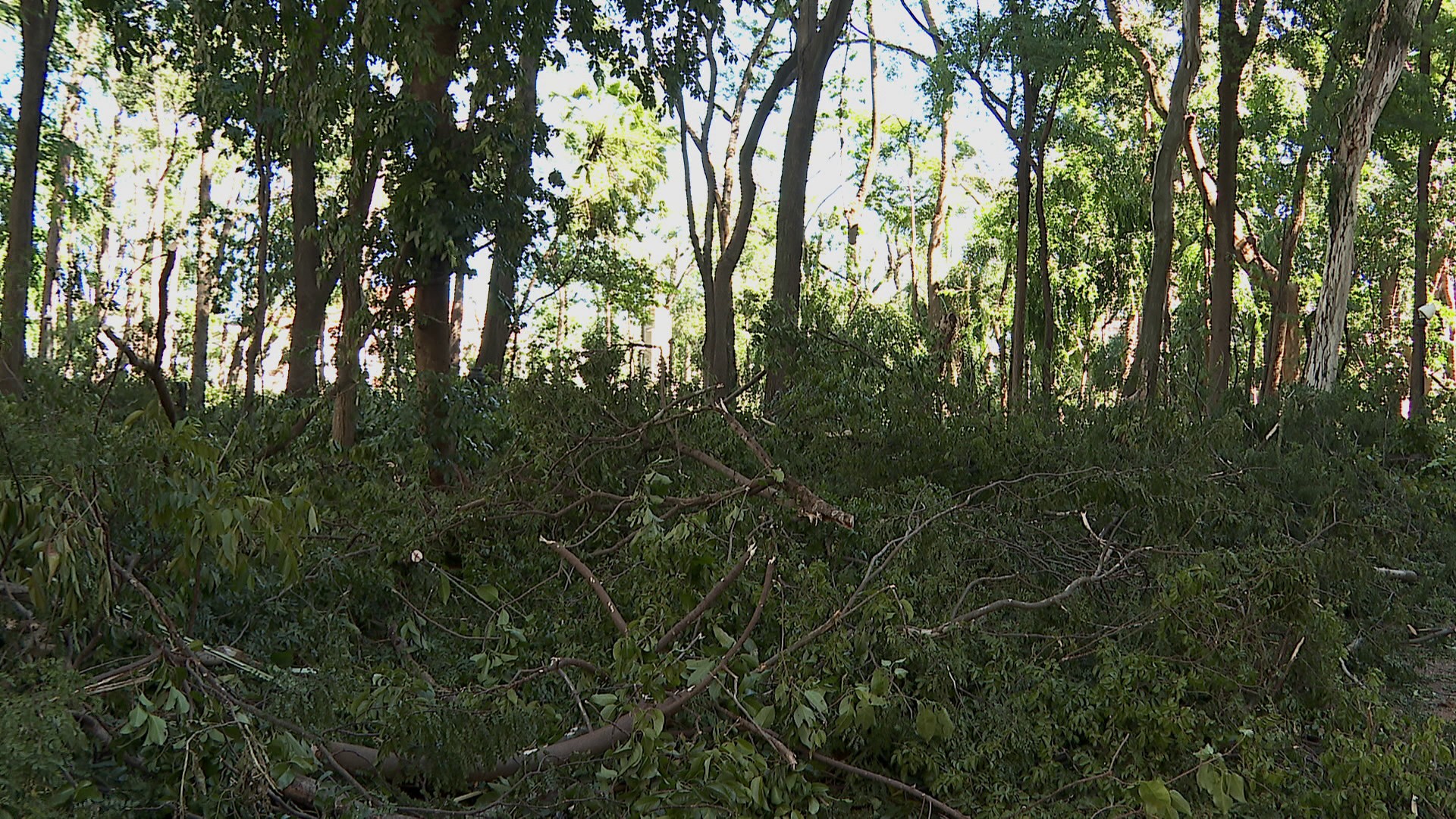
A severe storm with winds reaching up to 160 km/h has caused widespread destruction in Ribeirão Preto, São Paulo, resulting in at least 1,300 trees being felled. Of these, 600 fell within the University of São Paulo (USP) campus, while the remaining 700 were in other municipal areas. The city's administration indicated that these figures might increase as more areas are assessed. The storm's impact extends beyond fallen trees, with the municipality estimating approximately R$ 21.1 million needed solely for the removal of debris, including branches, trunks, and stumps. The Prefeitura has formally requested financial aid from both federal and state governments.
Significant damage is still visible in public spaces like Praça Luís de Camões, where numerous trees lie on the ground, posing safety risks. The storm, which occurred on the night of July 24th, also led to the tragic death of a 75-year-old man. Major avenues, including Nove de Julho, Dom Pedro, and Francisco Junqueira, experienced temporary blockages due to fallen trees and structures. The tempest displaced 1,800 people and left 12 homeless, also destroying the municipal social assistance unit, Centro Pop. Essential services were critically disrupted, with a complete power outage at the storm's peak and 80% of the water system becoming inoperable. Hospitals faced structural damage and power failures, leading to temporary suspensions of services at facilities like the Hospital das Clínicas. The education sector was also affected, with at least 26 municipal schools sustaining damage and classes being suspended. The storm's impact was felt across the region, affecting at least five other cities, and Governor Tarcísio de Freitas reported that the storm impacted 79,000 hectares.
The extreme weather event in Ribeirão Preto highlights vulnerabilities in urban infrastructure and disaster preparedness. The extensive damage, including the felling of 1,300 trees and disruption of essential services, underscores the need for resilient urban planning that accounts for increasingly severe weather patterns. The significant cost of cleanup and the reliance on government aid point to systemic challenges in municipal resource allocation for disaster mitigation and response. Future urban development strategies should integrate climate resilience, potentially through enhanced tree management programs and infrastructure hardening, to reduce economic and social impacts from such events. The event also serves as a case study for evaluating the effectiveness of intergovernmental disaster relief mechanisms and the long-term sustainability of urban ecosystems in the face of climate change.
AI-generated to prompt reflection — not editorial opinion, not advice, not a statement of fact. How this works.