Ribeirão Preto Teacher Turns Students into World Cup Trading Cards
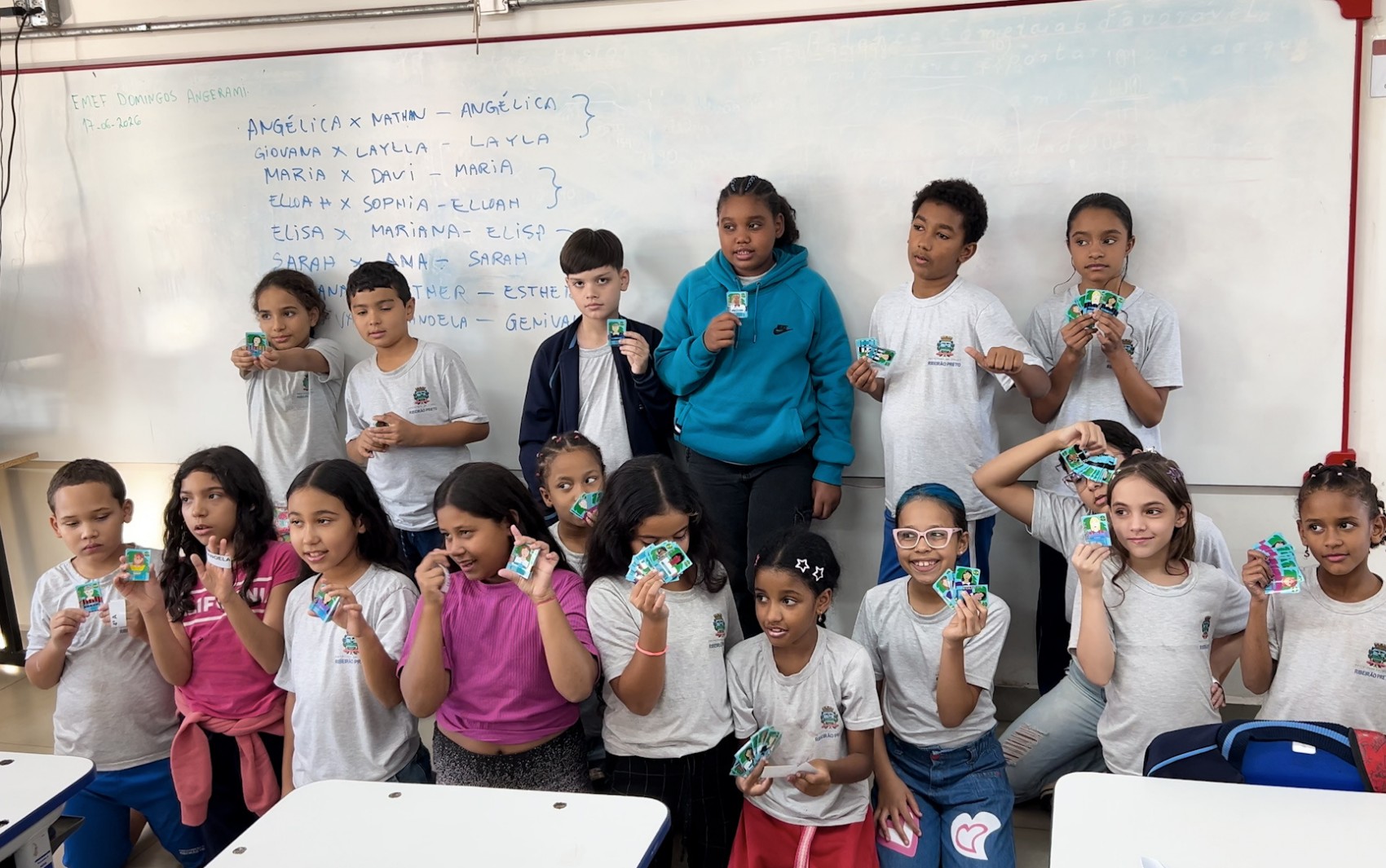
A teacher in Ribeirão Preto, São Paulo, has creatively engaged his 4th and 5th-grade art students by transforming them into personalized World Cup-themed trading cards. Marco Aurélio Manzano Martins, an educator at EMEF Domingos Angerami, developed this initiative to leverage the students' excitement for the World Cup and boost their self-esteem. Each student created a self-portrait and designed a unique uniform for their card. These designs were then digitized by the teacher to resemble official trading cards, complete with attack, defense, and dribble statistics. Crucially, these game attributes were not randomly assigned; they were directly linked to the students' academic performance and classroom behavior. For instance, points for attack were awarded for submitting assignments on time, defense for classroom discipline, and dribbling for active participation. This method aimed to foster a sense of inclusion and individual value among the students, particularly those from low-income families who may have limited access to official trading cards. The project has reportedly led to improved student behavior and engagement, as they strive to earn higher stats for their cards. Students like 9-year-old Daniele Rezende Vital de Souza and 10-year-old Lorena Sofia Nogueira Saviano expressed joy in creating their own personalized cards, with some preferring their handmade versions over official ones. The teacher adapted rules from the classic 'Super Trunfo' card game for the students to play with their personalized decks, with the goal of collecting all cards from their opponents. The initiative has been a rewarding experience for Martins, who sees it as a successful tool for inclusion and motivation within the school.
This educational initiative effectively bridges popular culture with academic goals, employing a gamified approach to enhance student engagement and self-worth. By linking tangible, desirable outcomes (personalized trading cards with game attributes) to classroom performance and behavior, the project incentivizes positive conduct and learning. The strategy acknowledges the motivational power of peer recognition and individual achievement, particularly within a context where access to commercialized versions of such items might be limited. Future iterations could explore broader applications of this model, considering how digital platforms might further democratize creation and gameplay, while ensuring equitable access and focusing on the intrinsic value of learning beyond game mechanics. The system's success hinges on maintaining a transparent and fair correlation between effort and reward, fostering genuine academic growth rather than merely optimizing for game statistics.
AI-generated to prompt reflection — not editorial opinion, not advice, not a statement of fact. How this works.