Ribeirão Preto Tolls Increase 4.72%, Drivers Criticize Road Conditions
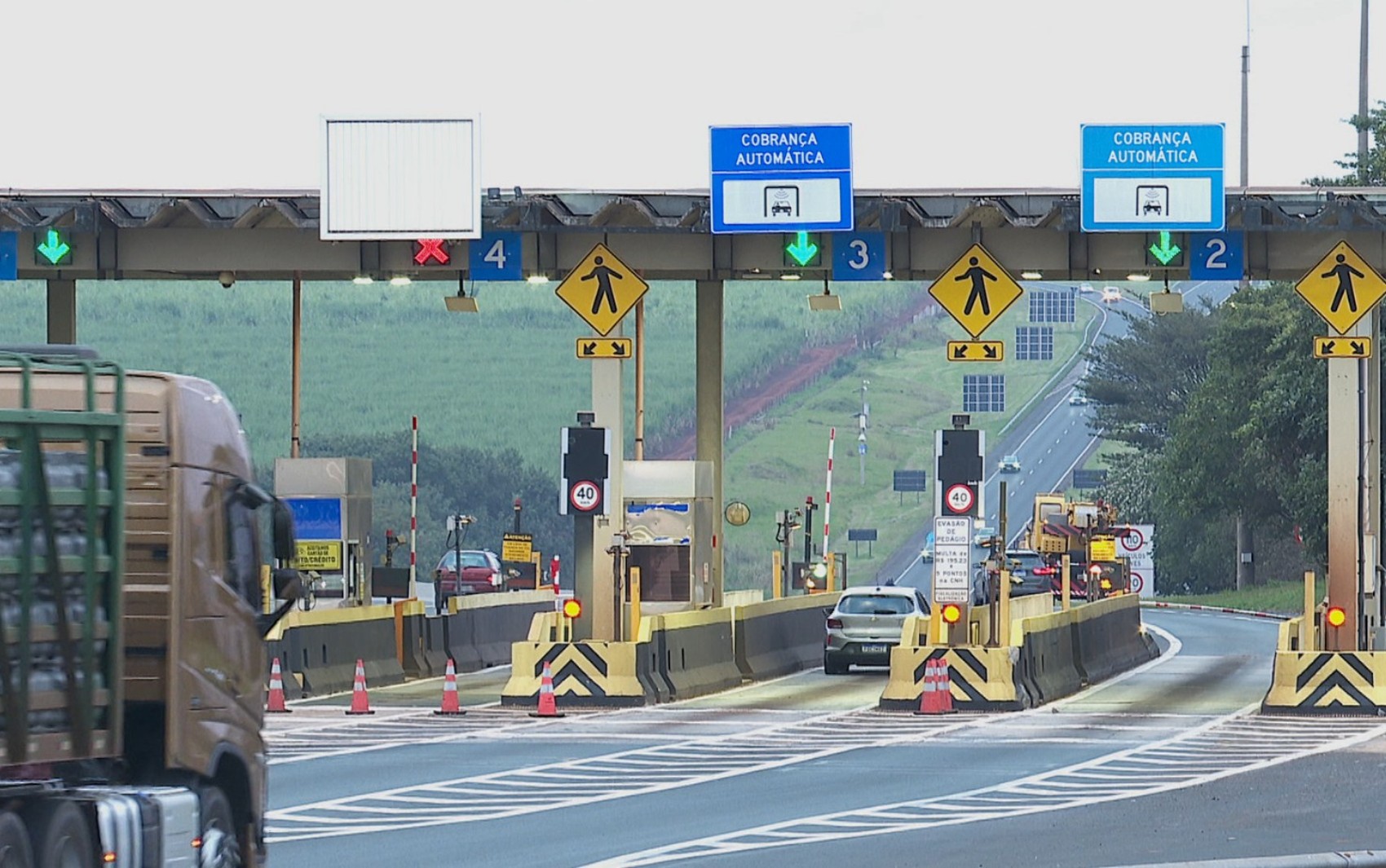
Drivers in the Ribeirão Preto region of São Paulo, Brazil, are expressing dissatisfaction following a 4.72% increase in toll fees that took effect on Monday, June 6th. The price hike applies to four toll plazas, and many regular users feel the improved road conditions do not justify the additional cost. Nurse Lorena Roque, who commutes daily, stated that the roads are not in the desired state to warrant the increase.
The toll adjustment, authorized by the São Paulo State Transport Agency (Artesp), is based on the variation of the Broad National Consumer Price Index (IPCA) between June 2025 and May 2026. For those who rely on these highways for their livelihood, the higher tolls represent a significant financial burden. Truck driver Márcio Basile noted that tolls and diesel costs already account for over 60% of his freight earnings, making the increase impactful on his monthly budget. Regional sales representative Isaac Barbosa also highlighted how increased transportation costs affect the final price of products for customers.
The new passenger car tariffs are: Sertãozinho (SP-322) from R$ 9.10 to R$ 9.60; Pitangueiras (SP-322) from R$ 11.60 to R$ 12.20; Sales Oliveira (SP-330) from R$ 14.30 to R$ 15.00; and Ituverava (SP-330) from R$ 17.30 to R$ 18.20. The concessionaire, Entrevias, stated that the toll increase is stipulated in the concession contract and authorized by Artesp. They also confirmed that the 5% discount for electronic payments via automatic tags remains in effect. Entrevias maintains that toll revenue is used for road maintenance, conservation, operation, and improvements.
The recent toll increase in Ribeirão Preto, driven by inflation adjustments as per concession contracts, highlights a recurring tension between infrastructure investment and user affordability. While concessionaires cite contract obligations and revenue for maintenance, drivers perceive a disconnect between costs and service quality. This situation underscores the importance of transparent performance metrics and public accountability in long-term infrastructure agreements. Future contract negotiations may need to incorporate more dynamic user satisfaction benchmarks and explore alternative funding models to balance economic viability with public equity, especially as autonomous vehicle technology and evolving transportation patterns could reshape highway usage and revenue streams over the next decade.
AI-generated to prompt reflection — not editorial opinion, not advice, not a statement of fact. How this works.