Riccardo Simonetti Becomes Unwilling AI Advertising Figure
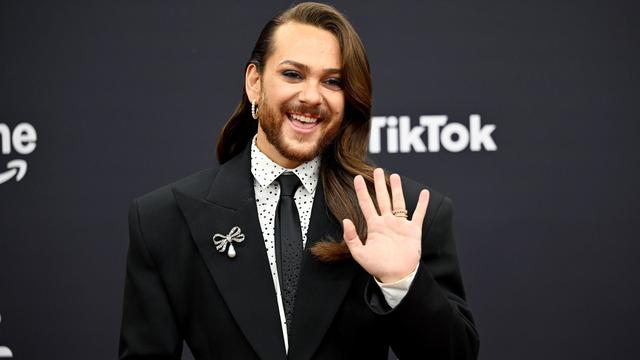
German entertainer Riccardo Simonetti has found himself unintentionally featured in an artificial intelligence-generated advertising campaign. The AI created images of Simonetti that were used in advertisements without his knowledge or consent. This situation highlights a growing concern regarding the misuse of AI technology for commercial purposes. Simonetti's image was apparently used to promote products or services through these AI-generated visuals. The incident raises questions about intellectual property rights and the ethical implications of using a person's likeness without permission. It underscores the need for clearer regulations and safeguards in the rapidly evolving field of AI. The specific platforms or companies involved in the campaign have not yet been fully disclosed. This case brings to light the potential for AI to be exploited for unauthorized endorsements.
AI-generated imagery presents a complex challenge for intellectual property and personal likeness rights. The ease with which AI can create realistic visuals of individuals, even without their consent, necessitates a robust legal and ethical framework. This incident with Riccardo Simonetti underscores the potential for AI to be used for unauthorized endorsements, raising questions about consent and compensation. As AI technology advances, it will be crucial for legal systems to adapt, ensuring that individuals maintain control over their digital representations and that commercial exploitation is appropriately regulated. The long-term implications involve safeguarding individual autonomy in an increasingly digitized world and preventing the erosion of trust in digital media.
AI-generated to prompt reflection — not editorial opinion, not advice, not a statement of fact. How this works.