Richard Carapaz's Plea for Cyclist Safety on Roads Remains Unfulfilled
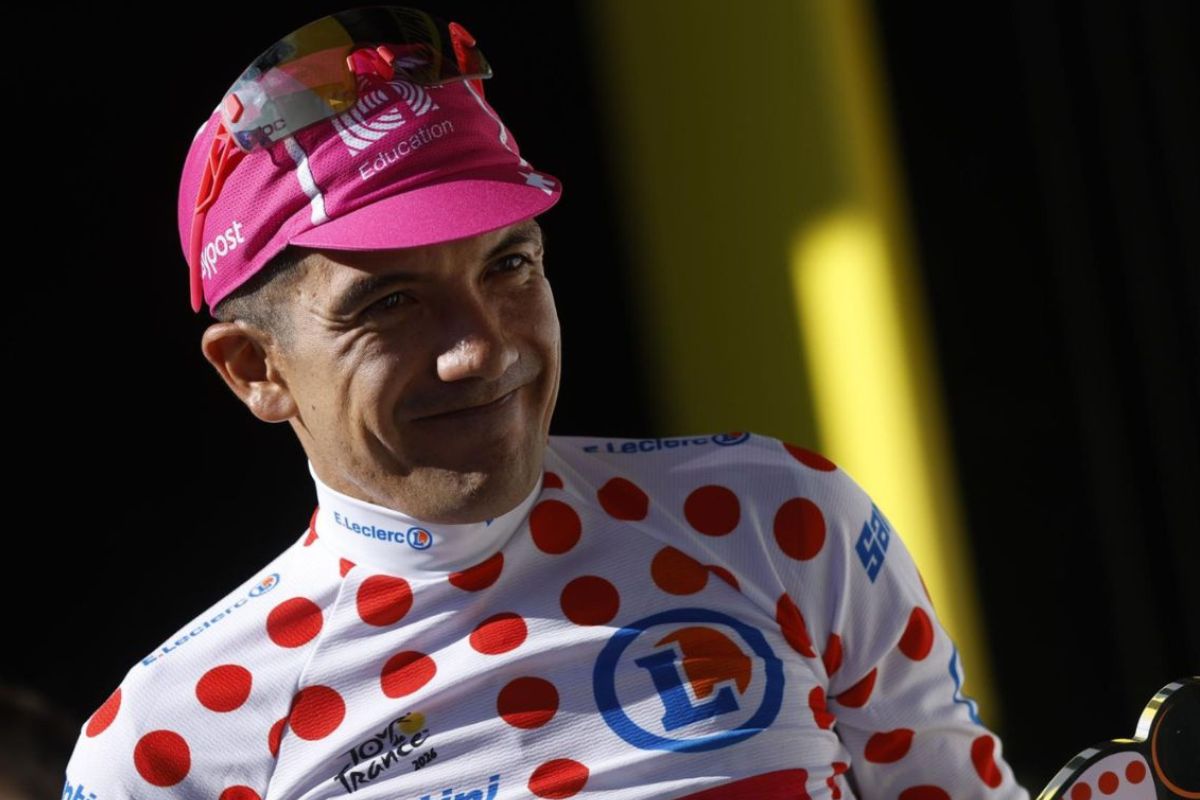
Ecuadorian cyclist Richard Carapaz has repeatedly emphasized that the most meaningful tribute to cyclists is to ensure their safety and respect on public roads. He has stated that this respect is the best homage that can be paid to those who practice the sport. Carapaz, a prominent figure in professional cycling, has used his platform to advocate for better road conditions and driver awareness. His calls highlight the vulnerability of cyclists and the need for a cultural shift in how they are perceived and treated by other road users. The sentiment expressed by Carapaz underscores a broader issue of road safety and the rights of non-motorized participants in traffic. Despite his repeated appeals, the acknowledgment and implementation of these safety measures appear to be lagging. This ongoing situation points to a persistent challenge in achieving adequate protection and respect for cyclists globally. Carapaz's advocacy continues to draw attention to this critical aspect of road safety.
Richard Carapaz's advocacy highlights a systemic issue concerning the integration of vulnerable road users into mixed-traffic environments. The call for 'respect' translates into a demand for infrastructure and behavioral changes that prioritize cyclist safety, moving beyond mere symbolic gestures. This situation reflects a common tension between the increasing popularity of cycling for sport and transport, and the often-inadequate regulatory and societal frameworks designed to protect participants. The persistence of this issue suggests that effective solutions require a multi-faceted approach, involving legislative action, public awareness campaigns, and urban planning that explicitly accounts for non-motorized mobility. Over the next decade, as urban populations grow and the imperative for sustainable transport intensifies, addressing these safety deficits will become increasingly critical for public health and urban livability.
AI-generated to prompt reflection — not editorial opinion, not advice, not a statement of fact. How this works.