Rickshaw Puller's Daily Earnings and Work Philosophy
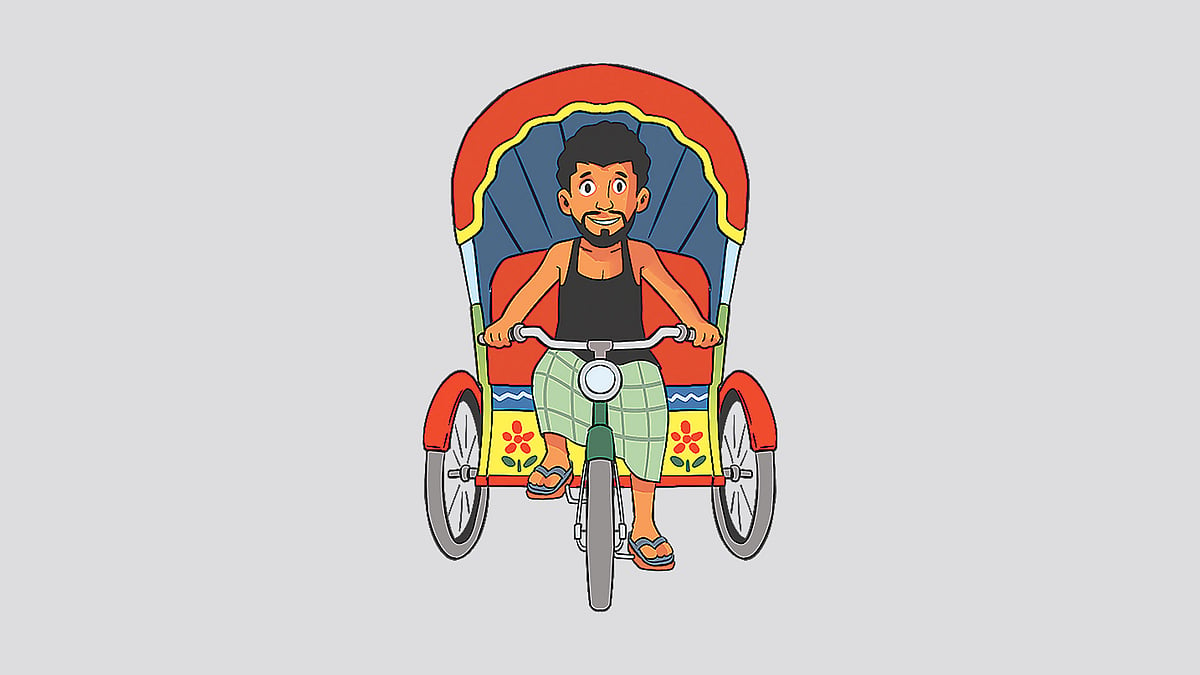
A rickshaw puller reports earning between 300 to 400 Bangladeshi Taka per day, stating that he never earns more than this amount. He returns home once he reaches 400 Taka, as this is sufficient to support his family. This daily earning target also helps him maintain his physical well-being. Due to the increased physical exertion required for a pedal rickshaw, he primarily accepts passengers for short distances. His work ethic is centered on sufficiency and a sustainable pace, prioritizing family needs and personal health over maximizing income.
This account highlights the economic realities faced by many informal sector workers, where daily earnings are often capped by a combination of physical limitations and a conscious decision to prioritize well-being and family needs over relentless income pursuit. The narrative reflects a common incentive structure in gig or manual labor, where immediate sustenance dictates work duration rather than market demand or potential for higher earnings. Looking ahead, as economies evolve and automation potentially impacts transportation, the sustainability of such livelihoods and the social safety nets available to these workers will become increasingly critical considerations for policymakers.
AI-generated to prompt reflection — not editorial opinion, not advice, not a statement of fact. How this works.