Ridderkerk Apartment Building Evacuated Again Due to Carbon Monoxide
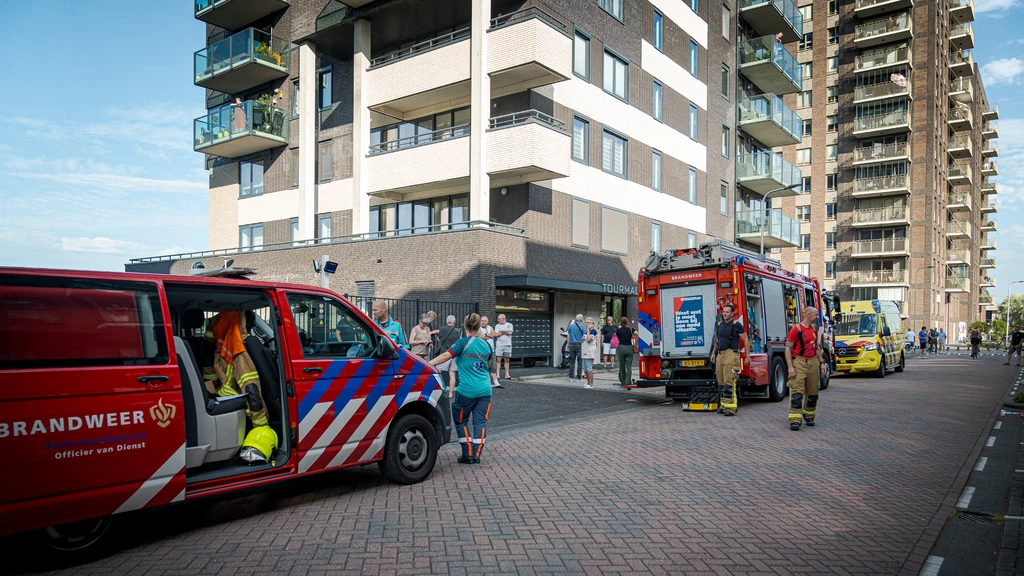
An apartment building in Ridderkerk, Netherlands, was evacuated on the evening of [Date of event] due to high levels of carbon monoxide (CO). This is the second such incident at the Drierivierenlaan building this year, following a similar evacuation in May. The fire department received an alert around 6:00 PM after a CO detector activated. Subsequent measurements confirmed the presence of the dangerous gas throughout the building. Over one hundred residents, many of whom are elderly, were forced to leave their homes in the sixteen-story complex. They are currently being temporarily housed in a nearby restaurant. Emergency services attended to one individual who did not require hospitalization. Firefighters are continuing to take measurements on various floors to trace the gas's movement. In the May incident, several people became unwell, with two requiring hospitalization after inhaling the toxic gas, which led to the evacuation of multiple floors at that time as well. Carbon monoxide is a colorless, odorless gas that can cause dizziness, headaches, and nausea. It impairs oxygen transport in the blood, and high concentrations can be fatal within minutes. Annually, between ten and fifteen people in the Netherlands die from acute CO poisoning.
This recurring carbon monoxide incident in a Ridderkerk apartment building highlights potential systemic issues in building safety and maintenance, particularly concerning older residents. The repeated evacuations, including a previous one in May, suggest that the root cause of the carbon monoxide leaks may not have been fully identified or effectively addressed. This situation raises questions about the building's ventilation systems, appliance maintenance, and the efficacy of previous remediation efforts. Future preventative strategies should focus on robust, regular inspections of all potential CO sources and ventilation pathways, especially in multi-unit dwellings with vulnerable populations. Addressing these recurring safety failures is crucial to prevent potential fatalities and ensure the well-being of residents, moving beyond reactive measures to proactive, long-term safety solutions within the evolving regulatory landscape for building safety.
AI-generated to prompt reflection — not editorial opinion, not advice, not a statement of fact. How this works.