Ride-hailing Driver's Self-Immolation Ignites Debate on Municipal Police Powers
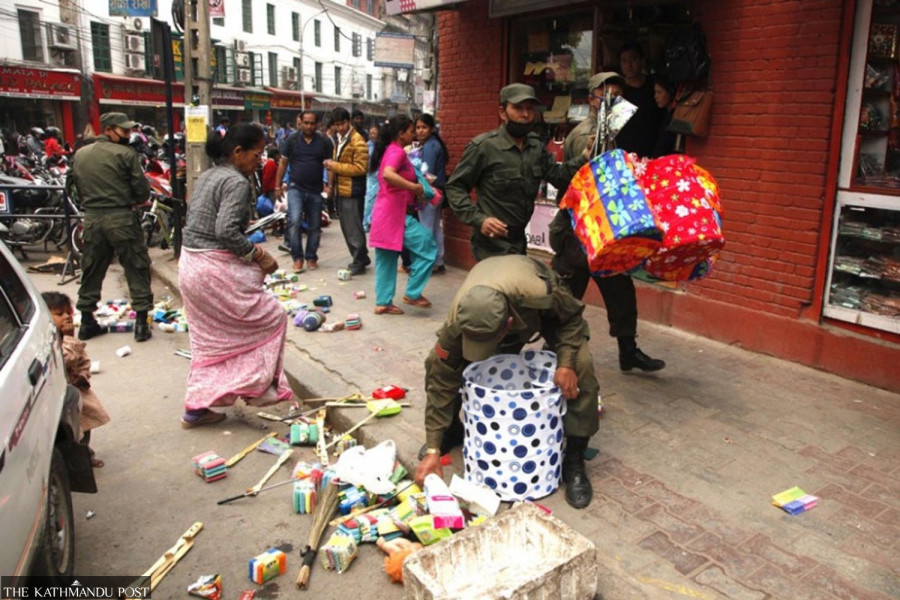
The self-immolation of a ride-hailing driver has triggered a significant discussion regarding the jurisdiction and conduct of municipal police forces. Experts have weighed in, asserting that the legal mandate for municipal police does not extend to authorizing physical coercion, detention of individuals, or independent crowd-control operations. This incident has brought to the forefront questions about the boundaries of authority for these law enforcement bodies and their interactions with the public, particularly within the gig economy sector. The driver's drastic action has amplified concerns about potential overreach and the appropriate use of force by municipal police. The debate centers on whether current regulations adequately define the scope of municipal police duties and if their actions align with their established legal frameworks. This event serves as a critical juncture for reassessing police powers and ensuring accountability in their operational practices. The implications extend to how such incidents are investigated and how the public's trust in law enforcement can be maintained or restored.
The self-immolation incident highlights a critical tension between the operational realities faced by municipal police and their defined legal mandates. This event prompts an examination of how evolving societal needs and the complexities of urban policing might outpace existing legal frameworks. The debate over jurisdiction and the use of physical coercion suggests a potential gap in governance, where enforcement actions may be perceived as exceeding authorized powers. Future considerations should focus on clarifying these mandates through legislative review to ensure alignment with public expectations and legal standards, thereby fostering greater transparency and accountability in law enforcement operations.
AI-generated to prompt reflection — not editorial opinion, not advice, not a statement of fact. How this works.