Right Lane Violations on Highways Increase Collision Risks
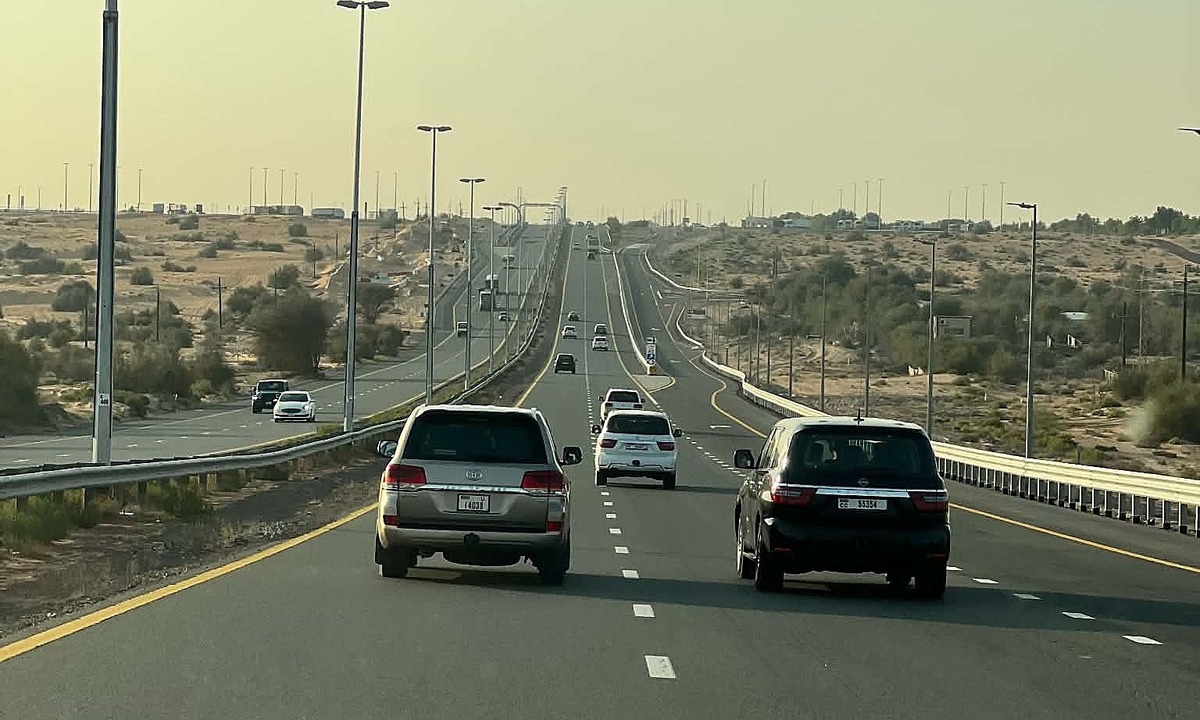
Drivers using the right lane, typically reserved for slower traffic or exiting, to overtake on highways are creating significant safety hazards. This practice forces drivers to make more frequent and unpredictable lane changes, substantially increasing the likelihood of collisions. The Vietnamese road safety authorities are highlighting this issue to warn motorists about the dangers associated with such maneuvers. The right lane is not designed for high-speed passing, and its misuse disrupts the natural flow of traffic. This can lead to dangerous situations where faster vehicles are forced to brake suddenly or swerve to avoid slower vehicles or those attempting to overtake from the right. The increased complexity in predicting other drivers' actions due to these unexpected lane changes poses a serious threat to road safety. Authorities are urging drivers to adhere to traffic laws and use designated lanes for overtaking to prevent accidents.
The practice of overtaking on the right lane on highways, while seemingly a shortcut for some drivers, fundamentally undermines traffic flow predictability and safety protocols. This behavior introduces unnecessary complexity into the driving environment, potentially overwhelming driver attention and increasing the probability of accidents. From a systems perspective, highway design typically anticipates traffic movement in specific patterns, and deviations like right-lane overtaking disrupt these established norms. Future traffic management systems, especially those integrating autonomous driving technologies, will rely heavily on predictable driver behavior and adherence to lane discipline. Encouraging compliance with established traffic laws is crucial for maintaining order and safety, and it also lays the groundwork for more advanced, automated transportation systems.
AI-generated to prompt reflection — not editorial opinion, not advice, not a statement of fact. How this works.