Right to Repair: Fixing Instead of Discarding – What Changes for Consumers
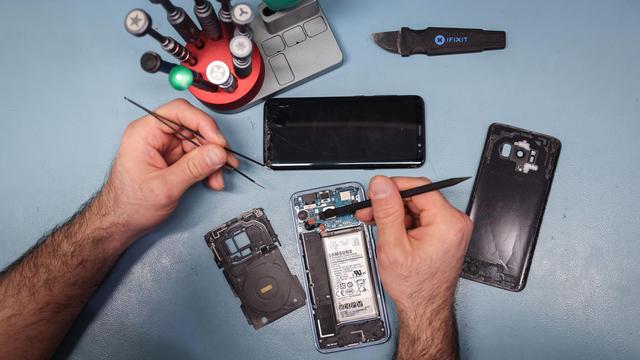
The "Right to Repair" is set to change consumer options regarding electronics. Previously, repairing devices like smartphones was often expensive or impossible due to a lack of available spare parts. This new regulation aims to address these issues, empowering consumers to fix their products rather than being forced to discard and replace them. The changes are expected to make repairs more accessible and potentially more affordable. Consumers will likely have more choices when their electronic devices malfunction. This initiative is designed to promote sustainability and reduce electronic waste. The specifics of what will change for customers are being detailed.
The "Right to Repair" movement addresses a growing tension between product lifecycles and consumer economics, exacerbated by evolving technology. By mandating parts availability and repair information, this initiative aims to shift market incentives away from planned obsolescence and towards product longevity. This could foster a more circular economy, reducing electronic waste and potentially lowering long-term costs for consumers. However, the implementation will require careful balancing of manufacturer intellectual property rights, safety standards, and the economic viability of independent repair services. Over the next decade, such regulations will likely become more prevalent as societies grapple with resource scarcity and the environmental impact of consumer electronics.
AI-generated to prompt reflection — not editorial opinion, not advice, not a statement of fact. How this works.