Right-wing Brazilian lawmakers dominate social media interactions, study finds
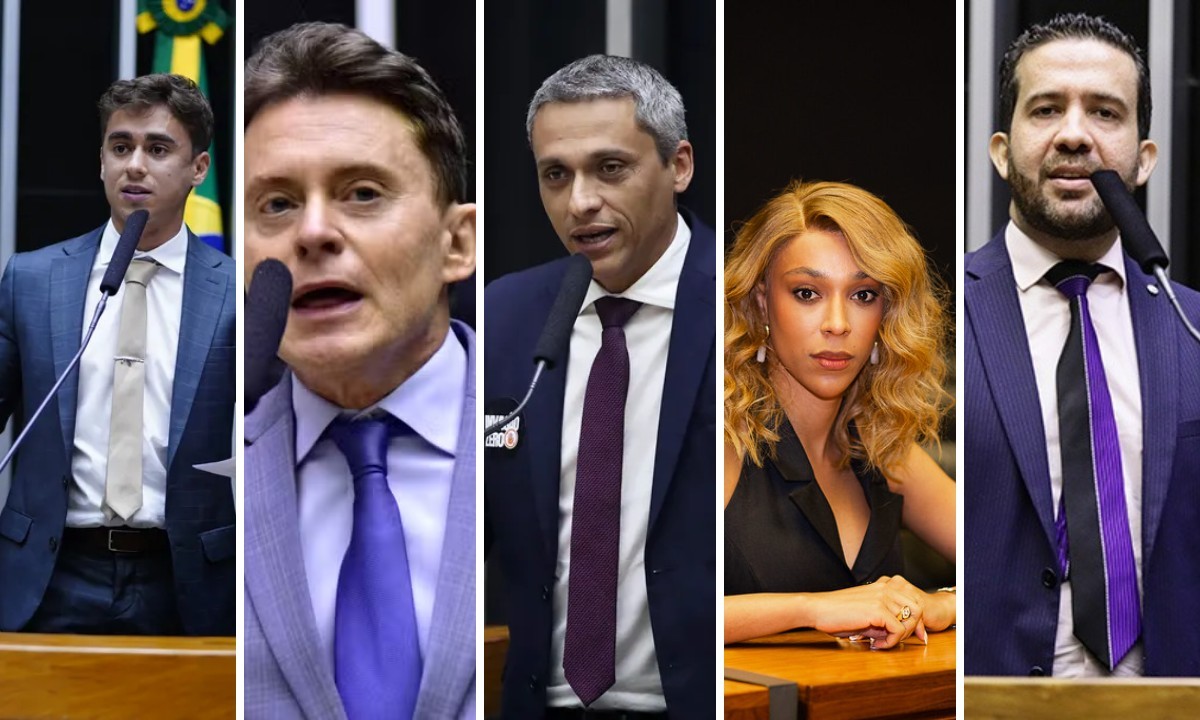
A recent study by Nexus Pesquisa e Inteligência de Dados, commissioned by g1, reveals that right-wing Brazilian federal deputies accounted for over half of the social media interactions among the top 15 most digitally present lawmakers between February and April 2026. These five right-wing politicians generated 52.6% of the total 865 million interactions, averaging 137,000 interactions per post, more than double the average for left-wing deputies. Centrist politicians garnered 27.1% of interactions, while left-wing politicians accounted for 20.3%.
Nikolas Ferreira (PL-MG) emerged as the leader in digital relevance, scoring 80.29 points on the Índice de Relevância nas Redes (IR² Nexus). He significantly outperformed second-place finisher Fábio Teruel (MDB-SP) with 35.92 points. Gustavo Gayer (PL-GO), Erika Hilton (PSOL-SP), and André Janones (Rede-MG) followed, with scores of 25.81, 22.13, and 18.23, respectively. The analysis considered frequency of posts, interaction volume, follower count, and average interactions per post across Instagram, X, Facebook, YouTube, and TikTok.
Video content, particularly short-form vertical videos, proved to be a major driver of reach, especially on YouTube where right-wing deputies saw an average of 204,000 interactions per post. While X showed a more balanced engagement between left and right-wing politicians, other platforms saw distinct patterns. The study concluded that there isn't a single formula for digital relevance, with success stemming from various strategies like political debate, community building around specific issues, or leveraging religious and family values.
This study highlights the significant role of social media in contemporary political discourse, particularly the effectiveness of certain communication strategies in generating engagement. The data suggests that platform-specific content and narrative framing are crucial for capturing audience attention, with right-wing politicians demonstrating a strong ability to mobilize interactions, especially through video content. The analysis indicates that while broad political messaging can be effective, niche community building around specific issues like religion, public safety, or civil rights also yields substantial results, independent of partisan alignment. Understanding these diverse engagement dynamics is key for political actors seeking to maximize their digital footprint and influence in the evolving media landscape.
AI-generated to prompt reflection — not editorial opinion, not advice, not a statement of fact. How this works.