Right-wing media's attacks on budget fail to impact Liberal Party fortunes
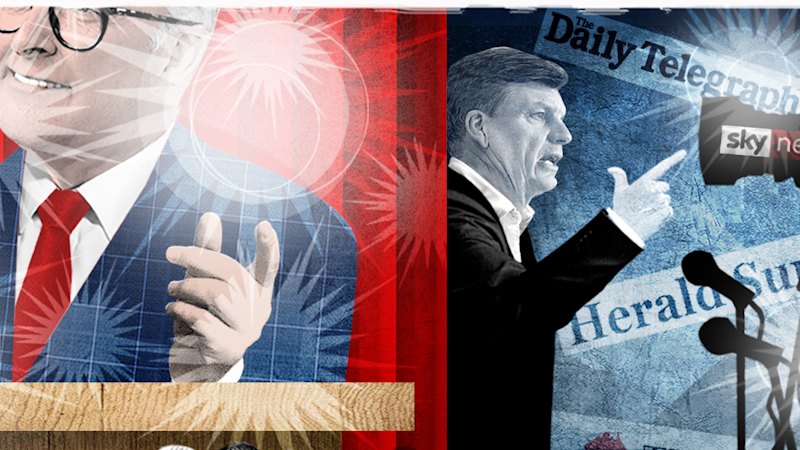
Despite a relentless and vigorous campaign by right-wing media outlets against the current budget and the government, there is little to no evidence that these efforts are having a significant impact. The media's prosecution of the case against the government's fiscal policies has not yielded the desired results, with signs of success being microscopic at best. This suggests a disconnect between the media's narrative and public perception or the actual political landscape. The Liberal Party appears to be weathering the storm of negative coverage without substantial electoral damage, indicating that the media's strategy may be ineffective in swaying public opinion or influencing the party's standing. The ongoing efforts by these media outlets, characterized by their intense scrutiny, have not translated into tangible political gains for those opposing the government.
The media's role in shaping public discourse and influencing political outcomes is a complex dynamic. When media outlets adopt a consistently critical stance, particularly from a specific ideological viewpoint, their effectiveness hinges on resonance with the broader electorate. This situation suggests that the targeted media's narrative may not be aligning with public sentiment or that other factors are more heavily influencing political perceptions. Over the next decade, the fragmentation of media consumption and the rise of alternative information channels will continue to challenge traditional media's influence. Political actors and strategists will need to adapt to these evolving information ecosystems, focusing on direct engagement and diversified communication strategies to counter potentially biased or ineffective media campaigns.
AI-generated to prompt reflection — not editorial opinion, not advice, not a statement of fact. How this works.