Rigodon de Honor: Preserving a Spanish-era Filipino Dance Tradition in Quezon
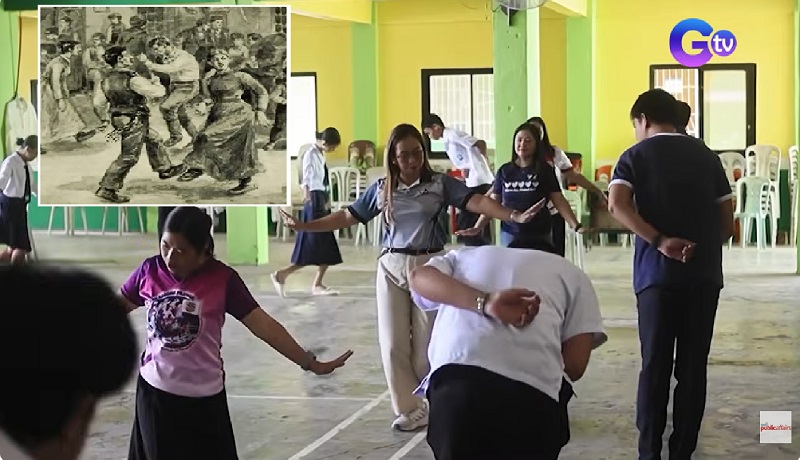
The grand Rigodon de Honor, a dance introduced to the Philippines by Spanish colonizers, has become an integral part of Filipino history. This traditional dance, characterized by its elaborate steps and formations, is being kept alive in Quezon. The Rigodon de Honor is a testament to the enduring influence of Spanish culture on Filipino traditions, often performed during significant social and state events. Its preservation in Quezon highlights a conscious effort to maintain cultural heritage amidst modern influences. The dance requires precision and coordination among its participants, reflecting a structured and formal social interaction from the past. Efforts to sustain this dance form involve training new generations and incorporating it into cultural festivals and celebrations within the province. The Rigodon de Honor serves as a living link to the country's colonial past, showcasing a unique blend of European and Filipino artistic expression. Its continued practice ensures that this historical dance does not fade into obscurity.
The preservation of the Rigodon de Honor in Quezon exemplifies a cultural strategy to maintain historical continuity and national identity. This Spanish-introduced dance, now a Filipino tradition, highlights the complex legacy of colonialism, where imported practices become integrated and reinterpreted within local contexts. The ongoing efforts to keep this dance alive suggest a societal value placed on historical memory and cultural distinctiveness. In the context of globalization and digital cultural shifts, such traditional art forms serve as anchors, offering a tangible connection to the past. The challenge lies in balancing authenticity with contemporary relevance to ensure sustained engagement across generations, fostering a nuanced understanding of cultural evolution.
AI-generated to prompt reflection — not editorial opinion, not advice, not a statement of fact. How this works.