Rimpac Drills Showcase Advanced Tech Integration, Aimed at China
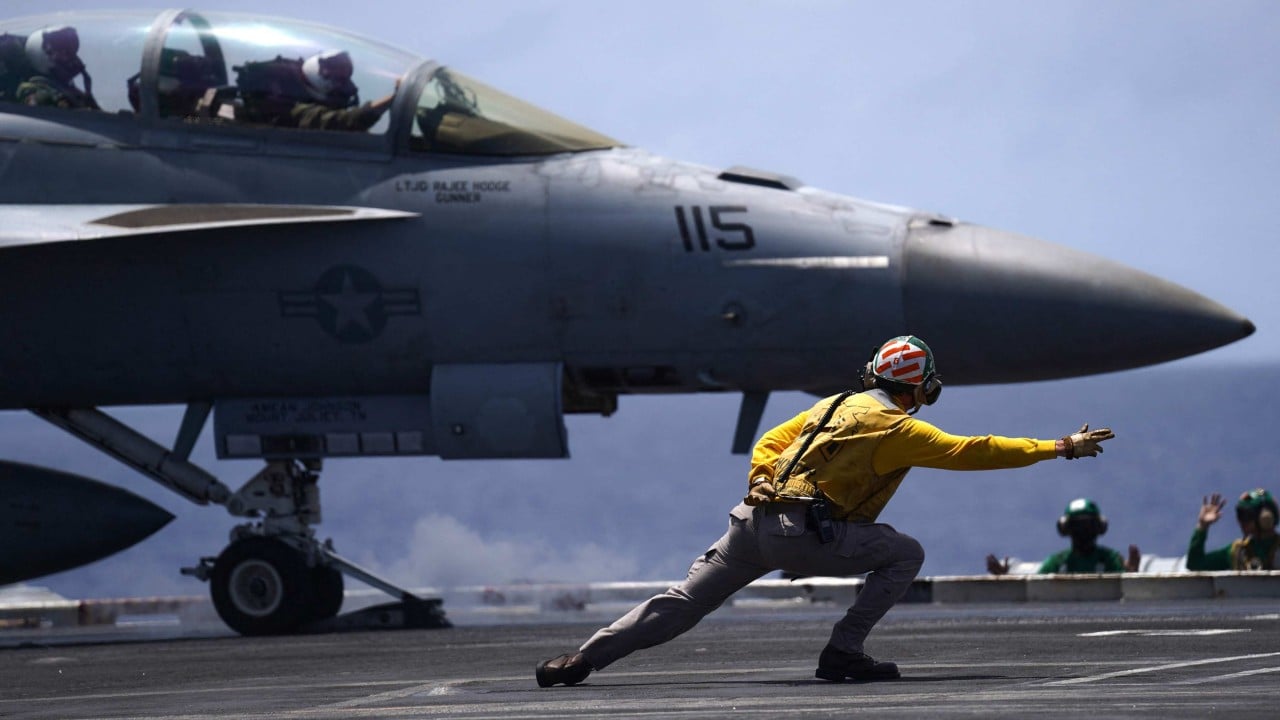
The recent US-led Rim of the Pacific (Rimpac) military exercises, held near Hawaii, demonstrated a significant increase in the integration of new technologies among allied forces. Experts noted that these advancements were specifically designed with the intention of deterring Beijing. The drills featured a wide array of sophisticated weaponry and systems, including Japanese land-based anti-ship missiles and US attack submarines. A notable innovation was the use of exploding drone boats, which were integrated into a broader network. This network effectively linked troops positioned on shore with aircraft, surface vessels, and undersea assets. The objective was to create a unified system capable of simultaneously locating, tracking, and engaging maritime targets. The exercises, which commenced on June 24, highlighted a coordinated approach to naval warfare, emphasizing technological synergy among participating nations.
The Rimpac exercises underscore a strategic pivot towards networked warfare, leveraging advanced technologies to enhance interoperability and deterrence capabilities among allied nations. This integration aims to create a more cohesive and responsive defense posture, particularly in response to perceived geopolitical shifts. The focus on technological synergy suggests a long-term strategy to maintain a competitive edge by adapting to evolving threat landscapes and operational requirements. Future developments will likely involve further refinement of these networked systems, exploring new applications for artificial intelligence and autonomous platforms to optimize command and control, intelligence gathering, and strike coordination, thereby influencing regional security dynamics and the strategic calculus of potential adversaries.
AI-generated to prompt reflection — not editorial opinion, not advice, not a statement of fact. How this works.