Rio Accelerates Infrastructure Projects to Counter El Niño's Impact
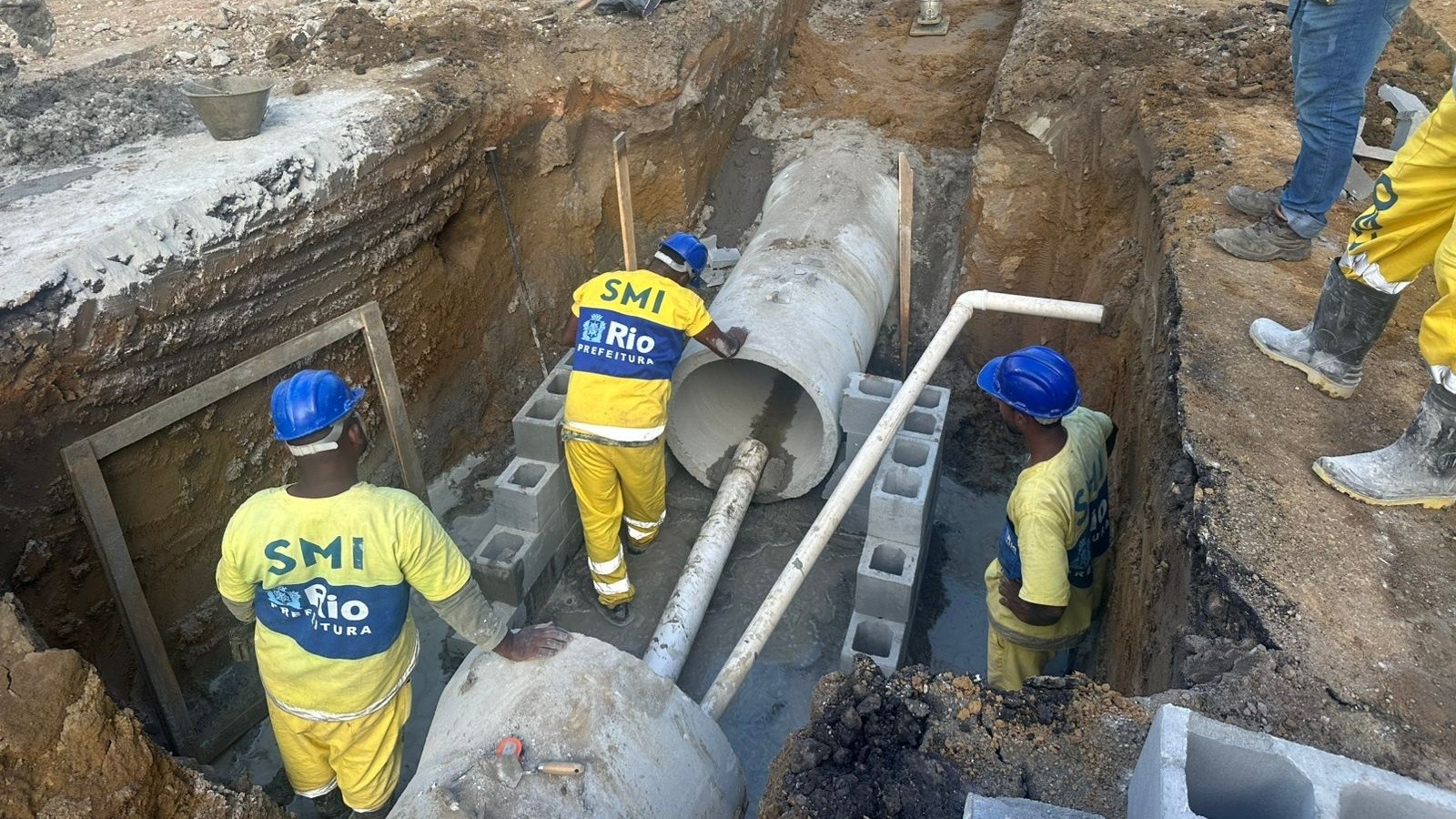
The Rio de Janeiro City Hall is accelerating infrastructure projects to mitigate the effects of the El Niño phenomenon, which is expected to bring intense heat and heavy rainfall. These preventative measures aim to avoid delays caused by extreme weather events. Key projects include the diversion of the Rio Catarino and drainage works on Rua Bernardo de Vasconcelos, part of the PAC Realengo initiative, now slated for completion this year instead of next. Additionally, a 20-million-liter flood control basin is under construction. The 'Bairro Maravilha' project will see four additional interventions by year-end due to El Niño, with upgrades like repaving 400 streets planned for areas including Ilha do Governador, Coelho Neto, Acari, Vicente de Carvalho, Taquara, Paciência, Santa Cruz, and Sepetiba before summer.
The city has allocated an investment of R$ 1.1 billion for urban requalification, encompassing completed, ongoing, and upcoming projects. Despite these efforts, Mayor Eduardo Cavaliere acknowledged that sensitive areas remain vulnerable to extreme weather during the upcoming summer. Meteorologist Juliana Hermsdorff from Alerta Rio forecasts rising temperatures by late winter and indicates an 81% probability of a very strong El Niño between October and December, leading to more frequent and intense heatwaves. El Niño, characterized by a 0.5°C or greater warming of Pacific Ocean waters, typically causes above-average global temperatures and affects Brazil unevenly, with the South experiencing more rain and the North and Northeast facing drier periods.
Furthermore, Geo-Rio expects to complete 60 slope stabilization interventions by summer, focusing on favela complexes like Penha, Alemão, and Lins, as well as the Tijuca massif. This is an increase from the initial plan of 40 interventions before early summer. These efforts are part of a broader R$ 1.1 billion investment in urban renewal and infrastructure resilience.
The Rio de Janeiro municipal government's accelerated infrastructure response to El Niño highlights a growing imperative for urban resilience in the face of escalating climate volatility. The R$ 1.1 billion investment signals a recognition of systemic risk, yet the mayor's caution about ongoing vulnerability underscores the inherent limitations of reactive infrastructure upgrades against the unpredictable intensity of climate events. This situation presents a classic governance challenge: balancing immediate public safety needs with long-term climate adaptation strategies. Future planning may benefit from exploring integrated approaches that combine hard infrastructure with nature-based solutions and enhanced early warning systems, fostering a more adaptive urban ecosystem capable of absorbing climate shocks rather than merely reacting to them.
AI-generated to prompt reflection — not editorial opinion, not advice, not a statement of fact. How this works.