Rio Beachfront Storage Unit Found Operating Illegally, Housing Chickens
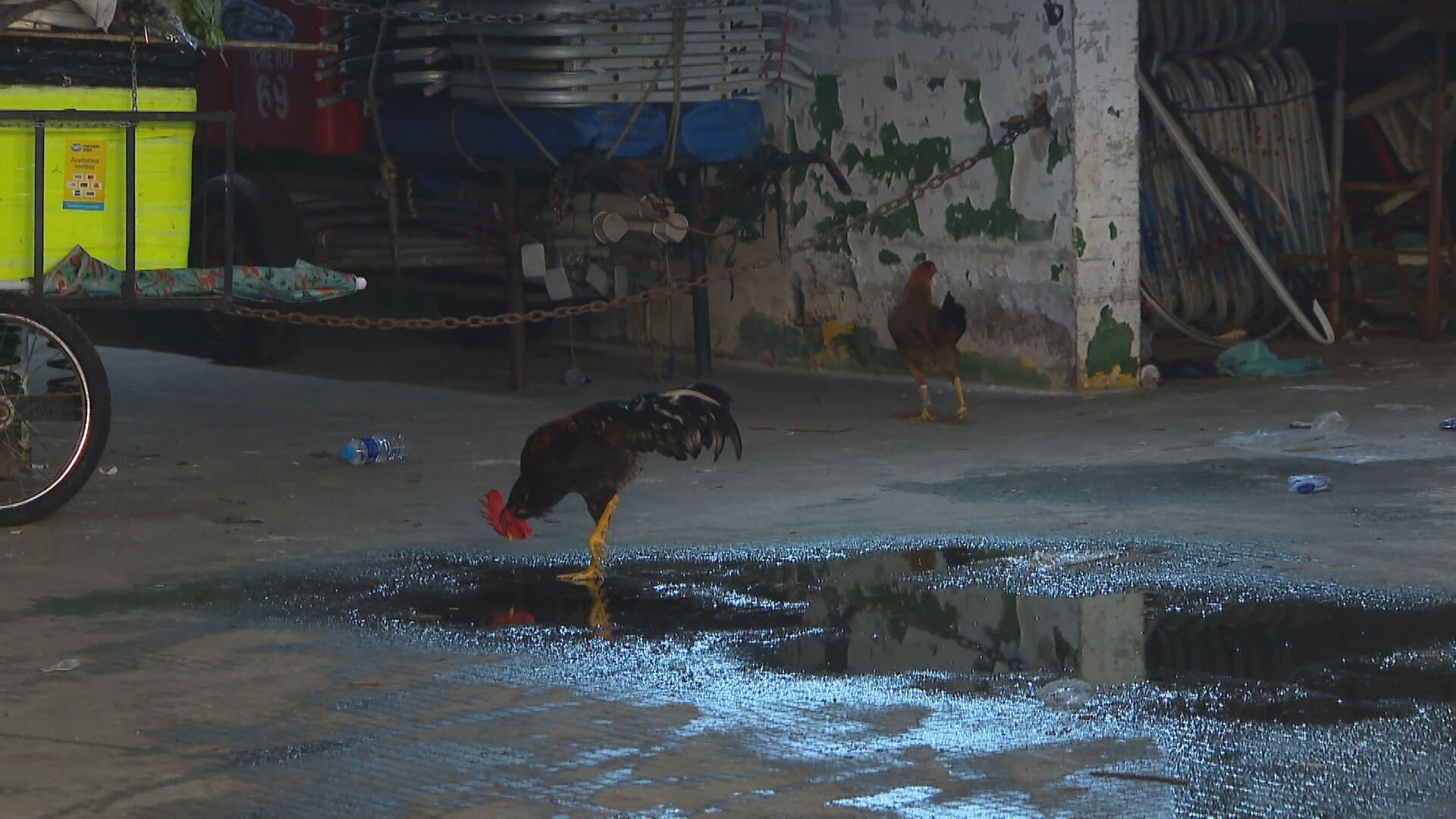
A clandestine storage facility used by street vendors along Rio de Janeiro's Ipanema beachfront has been discovered operating without official identification, storing equipment, merchandise, and even raising chickens. This discovery comes shortly after the Rio de Janeiro City Hall announced a program to combat illegal exploitation of the coastline by criminal factions. The building, marked with the insignia of a criminal faction on its facade, is slated for expropriation by the municipality to become a public storage space for legalized vendors. The city reports that 22 such clandestine depots currently support commerce on the South Zone coastline, forming part of the infrastructure for irregular beach exploitation. Street vendors interviewed stated they pay approximately R$100 weekly to store their equipment in these unregulated locations, often facing pressure from criminals to pay additional fees for their vending spots. The illegal occupation of public space on the coastline is estimated to generate around R$100 million annually for organized crime. In response, the City Hall has launched a comprehensive plan including daily inspections, access control, merchandise seizures, and enhanced policing, set to begin on a 8.5-kilometer stretch from Leme to Leblon. In June alone, the city confiscated 2,673 items without invoices from the South Zone beaches, while the Civil Police maintain ongoing intelligence operations against criminal factions in the area.
The discovery of clandestine storage facilities, complete with livestock, highlights the complex interplay between informal commerce, organized crime, and municipal governance on Rio de Janeiro's valuable beachfront. The city's initiative to combat irregular exploitation and establish public storage aims to formalize operations and disrupt illicit revenue streams. However, the deep-rooted nature of these informal networks, evidenced by vendor payments and reported criminal pressures, suggests that regulatory efforts must address underlying economic incentives and security concerns. Future success will likely depend on sustained enforcement, transparent allocation of public resources, and potentially integrating legalized vendors into a more equitable system that mitigates the risks and costs associated with informal operations.
AI-generated to prompt reflection — not editorial opinion, not advice, not a statement of fact. How this works.