Rio Branco, Acre's Capital, Faces Nearly 40 Days Without Rain Amid El Niño Concerns
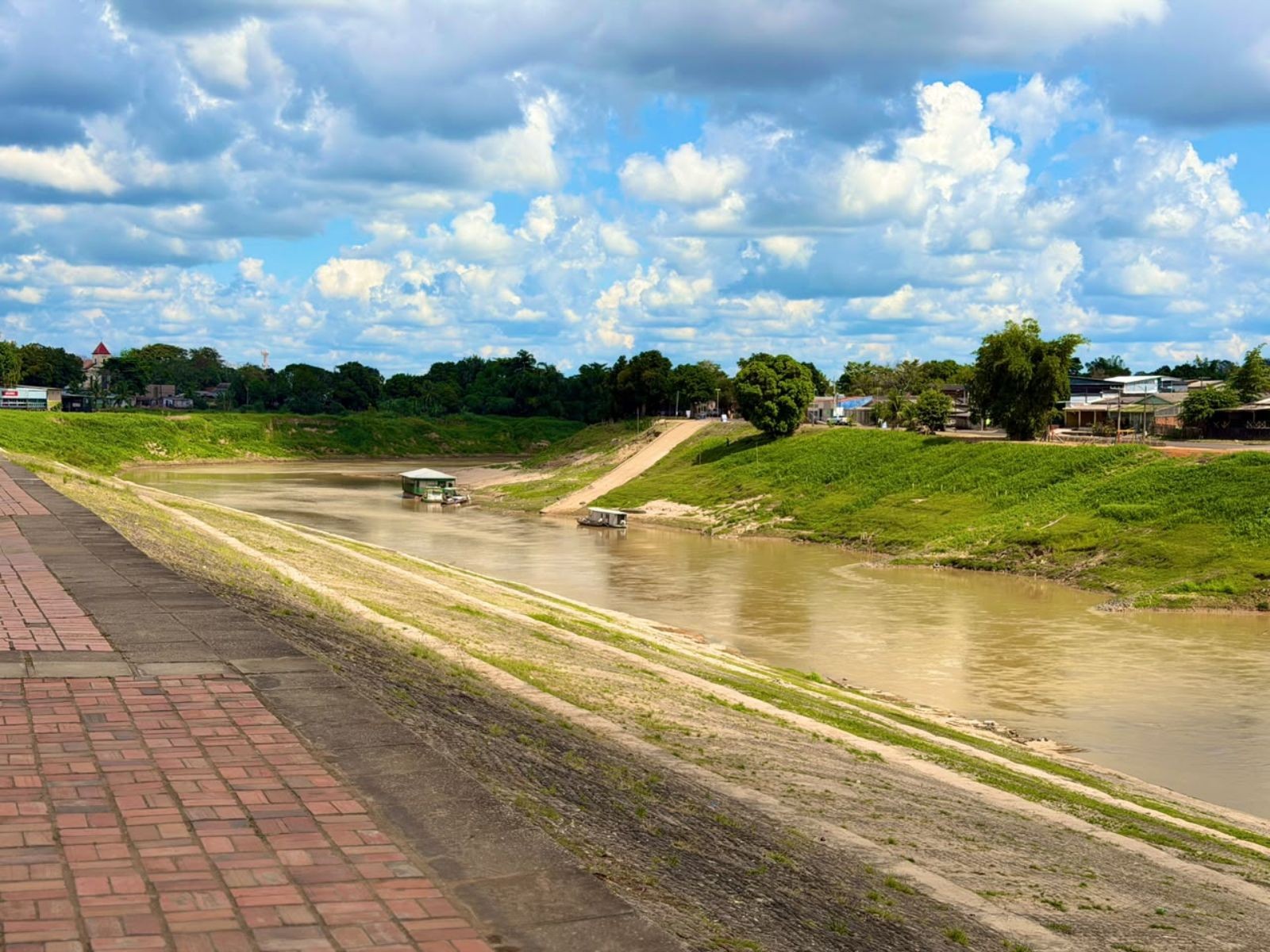
Rio Branco, the capital of Acre, has not registered any rainfall for nearly 40 days, raising significant concerns for the Municipal Civil Defense. Officials warn that the situation is likely to worsen in the coming weeks due to the intensification of the dry season and the anticipated influence of the El Niño phenomenon. The last recorded rainfall in the city was on June 16, with a mere 1.8 millimeters. Despite the prolonged dry spell, the Acre River's water level remains at a more comfortable 2.20 meters, higher than the 1.58 meters recorded on the same date last year. This is attributed to a higher volume of rainfall in the first half of the year, which exceeded that of 2025. However, the river level is showing a gradual decline. The ongoing drought is already impacting urban areas with water supply challenges and rural communities by hindering navigation and reducing access to drinking water. In response, the 'Operação Estiagem' (Drought Operation) has commenced, with initial emergency water supply provided by the Serviço de Água e Esgoto de Rio Branco (Saerb). The Civil Defense plans to deploy its own trucks for water distribution in the coming week, alongside efforts to support rural communities affected by agricultural production losses and reduced income. Researchers, like Foster Brown, highlight that the combination of heat and reduced rainfall, exacerbated by El Niño, increases the risk of forest fires, degrades air quality, and negatively impacts public health and ecosystems. Public bodies are preparing preventive measures, including a request for a state of alert to be declared, monitoring rural communities, and assessing agricultural losses. The Public Prosecutor's Office of Acre has also advised state and municipal agencies to expedite preventive actions and monitoring systems, particularly for vulnerable populations. Residents are advised to stay hydrated, avoid sun exposure during peak heat, and take extra precautions for children, the elderly, and those with respiratory illnesses.
The prolonged dry spell in Rio Branco, exacerbated by the anticipated El Niño, highlights the vulnerability of Amazonian urban centers to climate shifts. While current river levels offer a temporary buffer, the systemic reliance on consistent rainfall for water security and ecosystem health is evident. The coordinated response by civil defense and other agencies demonstrates preparedness, but the recurring nature of such events suggests a need for long-term adaptive strategies, potentially involving enhanced water management infrastructure and diversified economic activities less susceptible to drought. Future planning must consider the increasing frequency and intensity of extreme weather events predicted by climate models, particularly in regions like the Amazon, to mitigate socioeconomic and environmental disruptions.
AI-generated to prompt reflection — not editorial opinion, not advice, not a statement of fact. How this works.