Rio Branco Bus Seizures Cause Passenger Delays and Frustration
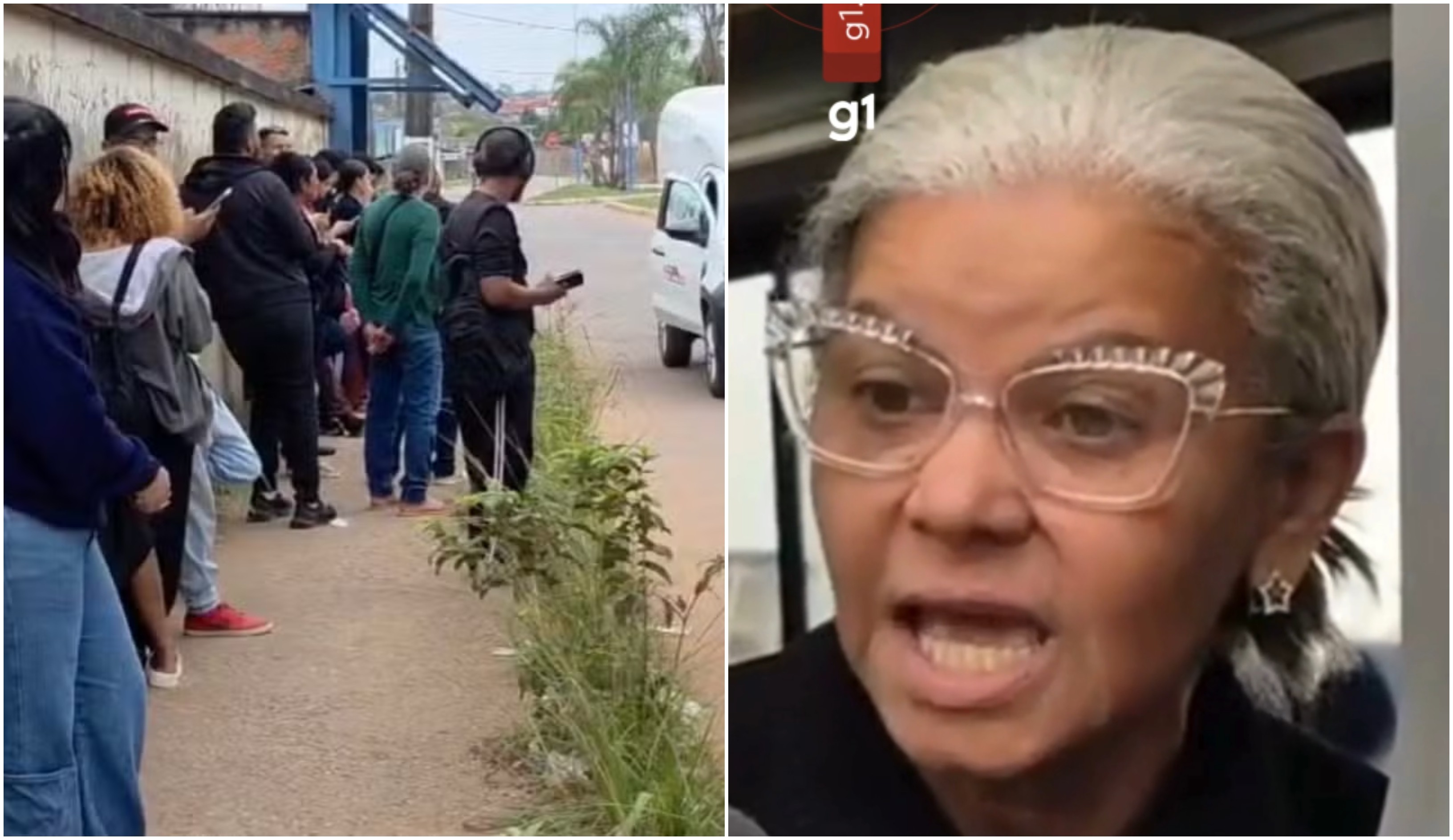
Passengers in Rio Branco, Brazil, are experiencing significant transportation disruptions following the seizure of a portion of the bus fleet belonging to Ricco Transportes e Turismo. The judicial action, stemming from a debt of nearly R$3 million owed to the Distrito Federal court, resulted in the repossession of 50 buses. This seizure has led to reduced service, with passengers facing long waits, overcrowded buses, and increased travel times. One passenger, cook Maria de Nazaré Fernandes, expressed her frustration, highlighting that some individuals are forced to wait for extended periods, even sleeping on buses, due to the lack of reliable public transport. She criticized authorities for not resolving the issue promptly and pointed out that many cannot afford alternative transportation like the R$5 taxi-lotação. This is not the first time Ricco's buses have been subject to legal action; in July 2024, 16 vehicles were seized in São Paulo due to unpaid financing installments. The ongoing crisis has impacted academic life, with the Federal University of Acre (Ufac) suspending classes for several days. The city is attempting to mitigate the impact by authorizing temporary taxi-lotação services, but passengers still report difficulties and higher costs. The situation is compounded by the impending expiration of the emergency contract between the municipality and Ricco Transportes on August 4th. While the city is negotiating a 60-day extension to ensure a smooth transition to JTP Transportes, Ricco's owner, Bruna Dias, stated the company does not intend to renew the contract and seeks to settle outstanding debts and labor obligations before ceasing operations.
The seizure of Ricco Transportes' buses in Rio Branco highlights the systemic vulnerabilities within public transportation contracts and debt enforcement. The judicial repossession, driven by financial obligations, directly impacts public service delivery, creating a cascade of negative consequences for citizens who rely on this essential infrastructure. This event underscores the critical need for robust oversight mechanisms in public-private partnerships to ensure service continuity, even amidst financial disputes. Future contract structures should incorporate contingencies for such scenarios, balancing the rights of creditors with the imperative of maintaining public welfare. The situation also raises questions about the long-term financial sustainability of transport operators and the municipality's due diligence in awarding and managing contracts, particularly as the city transitions to a new provider.
AI-generated to prompt reflection — not editorial opinion, not advice, not a statement of fact. How this works.