Rio Branco City Hall Seeks Contract Extension Amidst Bus Service Crisis
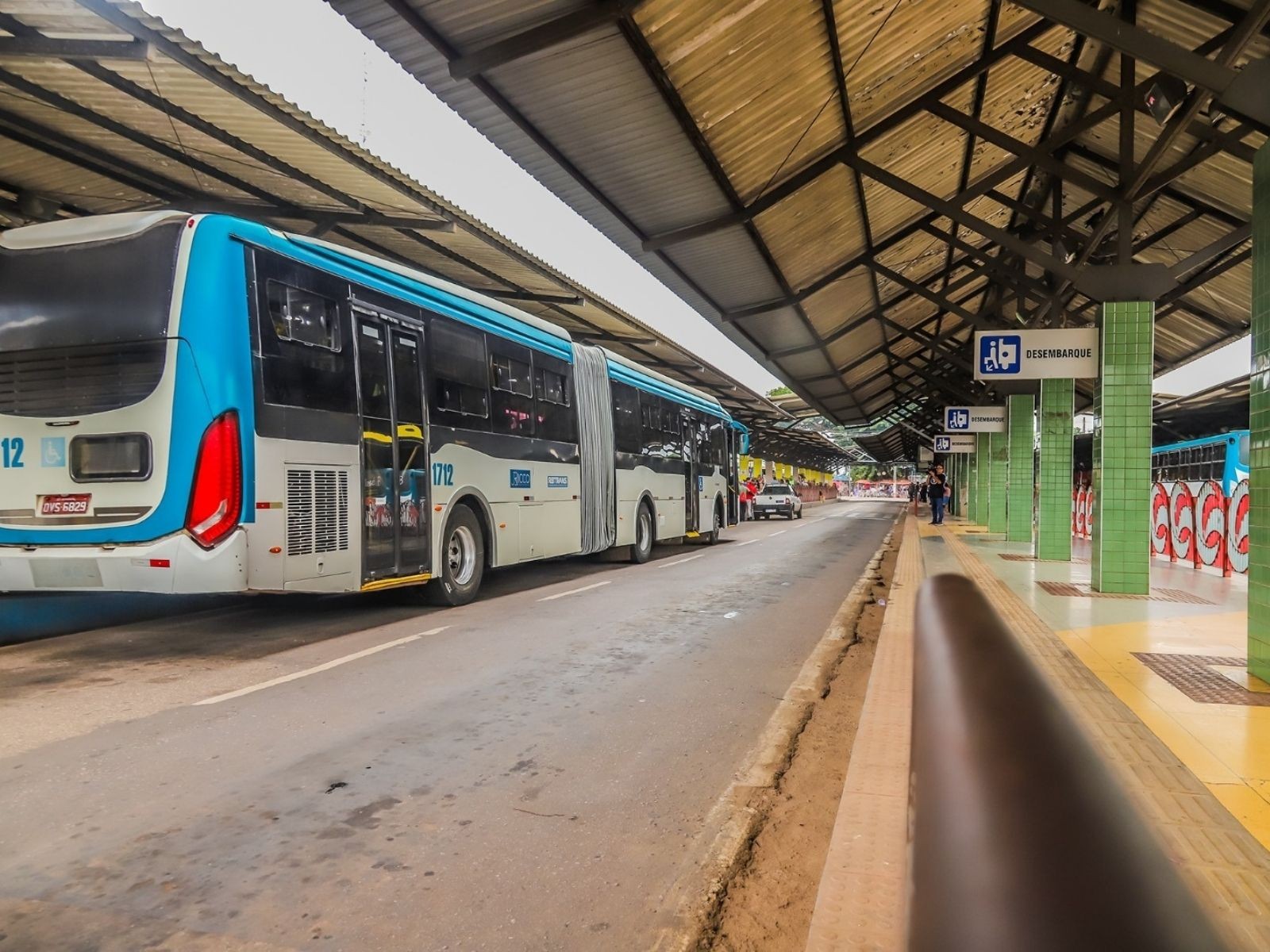
The City Hall of Rio Branco is racing against time to secure a contract extension with Ricco Transportes e Turismo, as their current emergency agreement is set to expire in two days. The municipality is negotiating a 30 to 60-day extension to ensure a smooth transition before JTP Transportes, Serviços, Gerenciamento e Recursos Humanos LTDA takes over the public transport operations in the capital. Mayor Alysson Bestene stated that the goal is to formalize an agreement outlining responsibilities, including timelines for new bus arrivals, worker absorption by the new company, and continued service. However, Ricco Transportes, through its owner Bruna Dias, has indicated that the company does not intend to renew the contract. Ricco's priority is to receive alleged outstanding payments from the city and settle labor obligations before ceasing operations. The city hopes to finalize these negotiations by Friday. This situation arises from a crisis caused by the judicial seizure of a portion of Ricco's bus fleet due to a debt of nearly R$3 million. The seizure has led to reduced service, long queues, overcrowding, and increased wait times for passengers, prompting Federal University of Acre (Ufac) to suspend classes. Ricco confirmed only 48 buses are currently operational, with one vehicle per line. As an emergency measure, the city has authorized a R$5 taxi-lotação service connecting neighborhoods and the city center, which has received mixed reactions from the public.
The Rio Branco municipal government faces a critical juncture in its public transportation system, necessitating swift action to mitigate service disruptions. The city's attempt to extend the contract with the current operator, Ricco, highlights the challenges in ensuring continuity during transitions, especially when faced with operator reluctance and outstanding financial disputes. The judicial seizure of Ricco's assets underscores the importance of robust financial oversight and contract enforcement mechanisms for public service providers. The introduction of alternative transport, like taxi-lotação, offers immediate relief but raises questions about long-term sustainability and equitable access. Looking ahead, the municipality must prioritize transparent procurement processes and secure reliable operators capable of meeting service demands, thereby fostering public trust and ensuring the efficient delivery of essential public services in the face of evolving urban mobility needs.
AI-generated to prompt reflection — not editorial opinion, not advice, not a statement of fact. How this works.