Rio Branco Court Allows 50 Seized Buses to Return to Public Transport
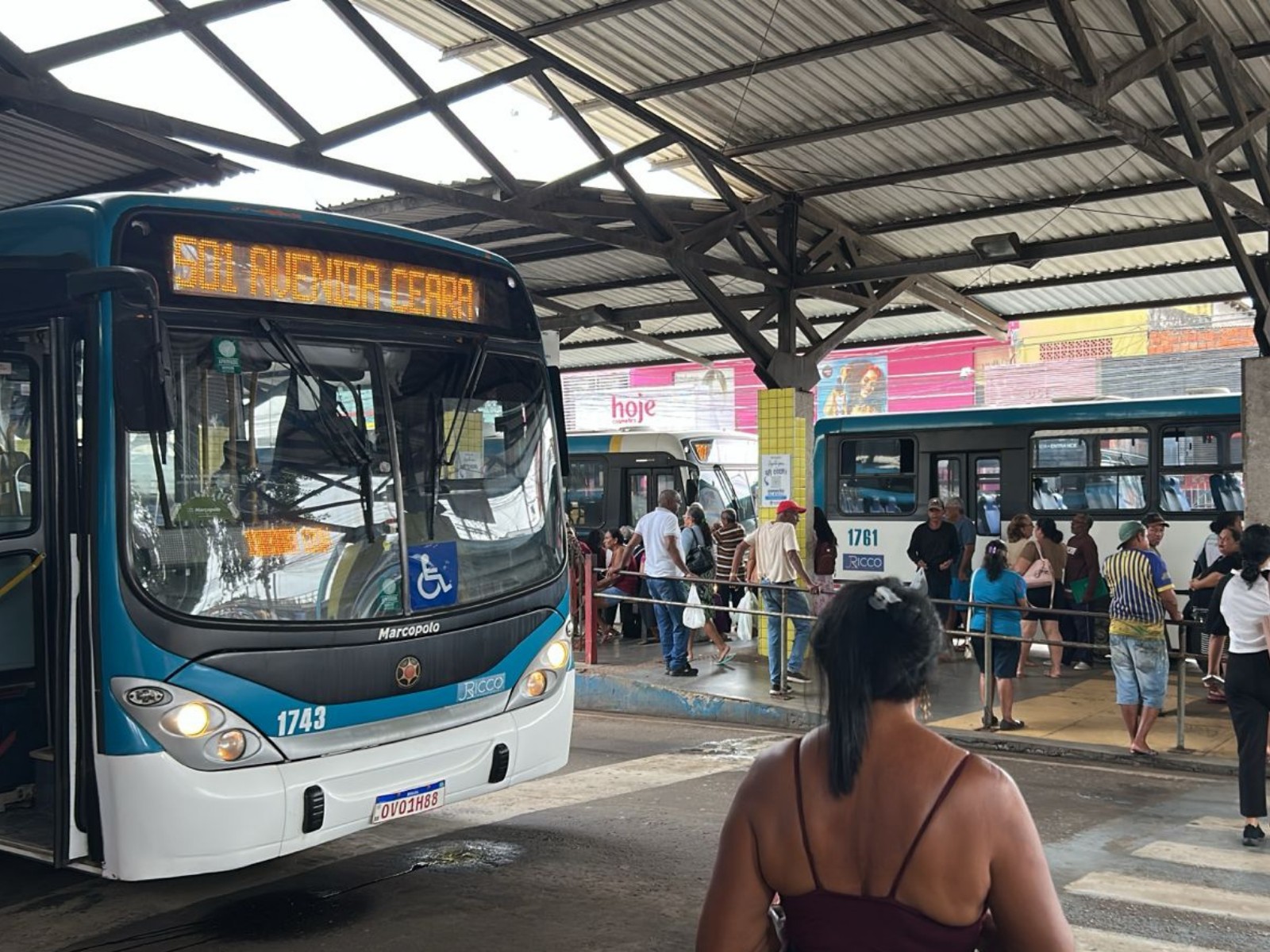
A judicial decision has authorized the return of 50 buses, previously seized on June 30, to Rio Branco's public transport system. The city government confirmed the vehicles' return on Thursday, July 16, following a court order to release the fleet operated by Ricco Transportes e Turismo. This move is expected to increase the number of buses in circulation, as the city has been operating with only 39 buses since early July, significantly less than the 94 needed to meet demand. The reduced service led to overcrowding, longer waiting times for passengers, and even the suspension of undergraduate classes at the Federal University of Acre (Ufac). The crisis began due to a contractual dispute between private companies, resulting in the seizure of Ricco's buses. In response, the municipality temporarily allowed taxi-buses and initiated a transition process for public transport to a new operator. The court's decision, issued by Judge Julio Roberto dos Reis of the 25th Civil Court of Brasília, came as part of a repossession lawsuit concerning the buses. The municipality facilitated the release by making a judicial deposit of over R$2.8 million, which Ricco had requested as an advance on contractual credits. The court deemed this amount sufficient to protect the interests in the case and mandated that the operational buses resume service immediately, while also prohibiting any dismantling or deterioration of the vehicles during the ongoing legal proceedings. The return of these buses occurs concurrently with the city's transition to JTP Transportes, an emergency contractor. This new contract, lasting one year, includes a 90-day gradual transition period during which Ricco will continue operations while JTP establishes its infrastructure and prepares for service commencement. The future fleet under JTP is planned to comprise 120 buses, including 60 new zero-kilometer vehicles equipped with modern amenities. The severe service reduction had already caused significant hardship for commuters, including a sales assistant named Claudinei Lima, who expressed concerns about losing his job due to persistent lateness. Students at Ufac protested the inadequate service, leading to the suspension of in-person classes until at least 66 buses are operational.
The judicial intervention to return seized buses highlights the critical interdependence between private transport operators, municipal governance, and public welfare. The substantial judicial deposit suggests a financial mechanism designed to balance contractual disputes with the immediate necessity of public service continuity. This situation underscores a systemic challenge in urban transit management, where contract enforcement and service provision can become misaligned, disproportionately impacting citizens and academic institutions. Looking ahead, the transition to a new operator with enhanced fleet specifications indicates a potential shift towards more resilient and technologically integrated public transportation. However, the underlying issue of contract management and dispute resolution mechanisms in essential services warrants ongoing scrutiny to prevent future disruptions and ensure equitable access to mobility.
AI-generated to prompt reflection — not editorial opinion, not advice, not a statement of fact. How this works.