Rio Branco Declares State of Alert for Drought Preparedness
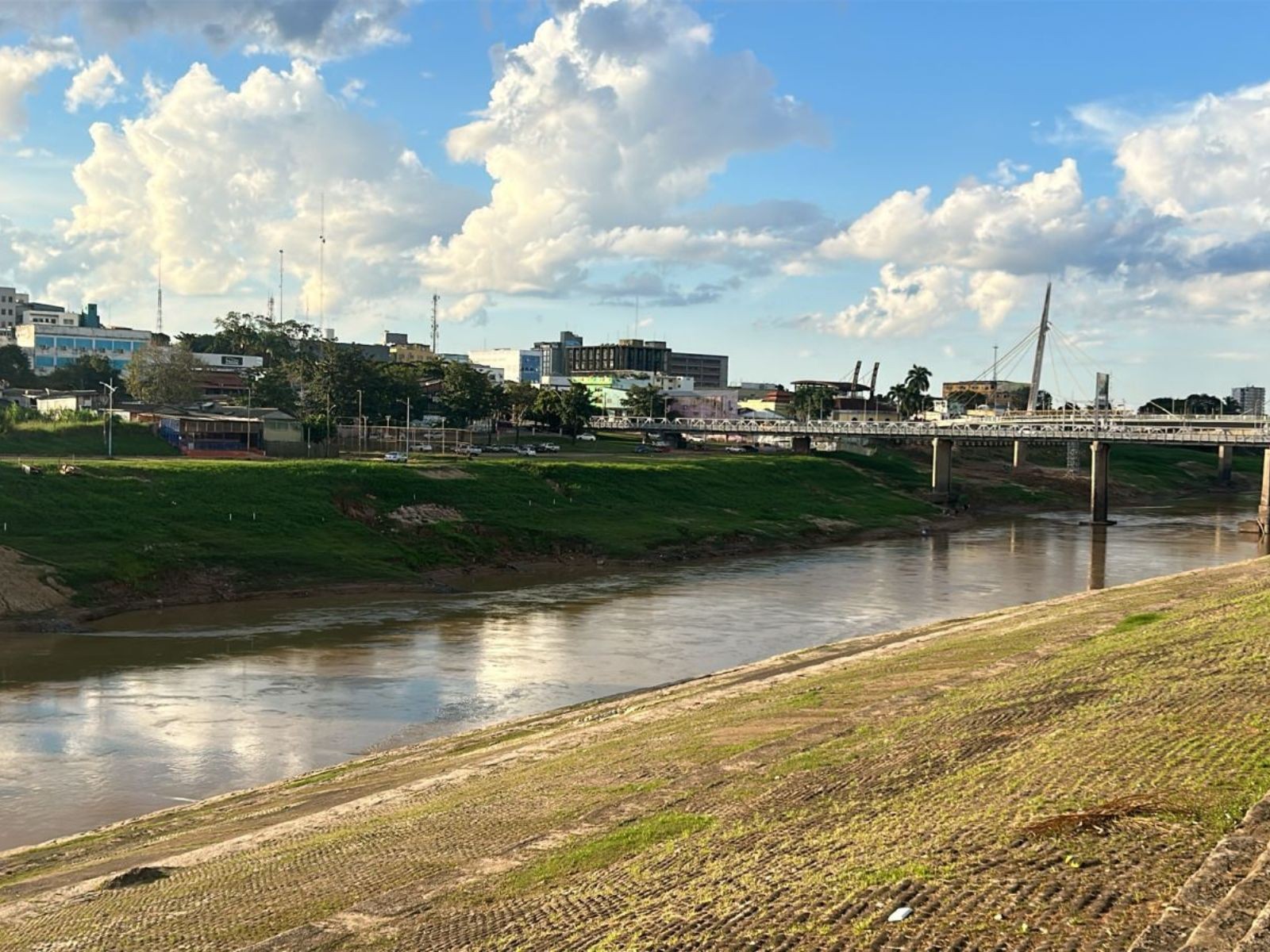
The municipality of Rio Branco, Acre, has officially declared a state of alert to combat drought conditions, as published in the State Official Gazette on Tuesday, May 28th. Mayor Alysson Bestene signed the decree, aiming to prepare the administrative structure for a potential worsening of the dry season and to mitigate its impact on the population. This decision follows monitoring by the Municipal Civil Defense Coordination, which indicates a steady decline in water levels of the Acre River, its tributaries, and other sources vital for human consumption, livestock, and agricultural activities. The Acre River's water level was recorded at 2.12 meters on the same Tuesday. Rural communities are already experiencing reduced water availability, posing risks to supply, family farming, and livestock, alongside an increased susceptibility to both urban and rural fires. The state of alert is intended to enhance hydrological, meteorological, and environmental monitoring, bolster the operational readiness of municipal agencies, improve inter-secretarial coordination, and implement measures for water security, fire prevention, and reducing the socio-economic and environmental consequences of the drought. The Municipal Civil Defense will be responsible for continuous monitoring, issuing technical bulletins, updating vulnerable community registries, and coordinating response actions if the situation escalates. Municipal secretariats are directed to work collaboratively, prioritizing water supply for vulnerable populations. The decree also authorizes administrative actions such as mobilizing resources, preparing for emergency potable water distribution, and strengthening fire suppression efforts. Despite these measures, the alert is purely preventive and administrative, not officially recognizing a disaster or emergency situation. The alert can be revoked at any time if hydrological conditions improve or if the situation warrants different administrative actions. The prolonged absence of rain in Rio Branco, with the last recorded precipitation on July 25th (8.4 mm), has led to nearly 40 days without rain, raising concerns about the worsening scenario, especially with the anticipated influence of El Niño. Although the Acre River's level is currently more favorable than last year due to higher rainfall in the first half of 2024, the lack of rain is already impacting water availability in urban areas and navigability and water supply in rural regions. The "Operation Drought" has commenced, initially supported by the Rio Branco Water and Sewerage Service (Saerb) for emergency water supply to affected communities, with Civil Defense trucks expected to join soon. The operation also includes support for rural communities facing agricultural and livestock production losses. Researchers express concern about the combination of heat and reduced rainfall, potentially exacerbating forest fires, worsening air quality, and impacting public health and ecosystems, similar to patterns observed in 2023 and 2024. Public agencies are reinforcing preventive planning, with the Civil Defense having submitted a technical opinion to the mayor's office requesting the alert declaration and monitoring rural communities experiencing water crises. The Public Prosecutor's Office of Acre has advised state and municipal bodies to expedite preventive measures, including monitoring systems and support for vulnerable populations, while also recommending public hydration and reduced sun exposure during peak heat.
The declaration of a state of alert in Rio Branco due to drought highlights the municipality's proactive administrative response to anticipated environmental challenges. This measure, while preventive, underscores the systemic vulnerabilities of regions reliant on specific hydrological cycles, particularly in the context of climate change and potential El Niño events. The coordinated efforts across municipal agencies and the involvement of bodies like the Public Prosecutor's Office demonstrate a structured approach to risk management. However, the long-term efficacy of such alerts depends on sustained investment in water infrastructure, diversified economic activities less susceptible to drought, and robust environmental conservation policies. The situation also prompts consideration of equitable resource distribution and the disproportionate impact of water scarcity on vulnerable populations, necessitating ongoing attention to social resilience alongside environmental monitoring.
AI-generated to prompt reflection — not editorial opinion, not advice, not a statement of fact. How this works.