Rio Branco Faces Critical Drought as June Rainfall Falls Far Below Average
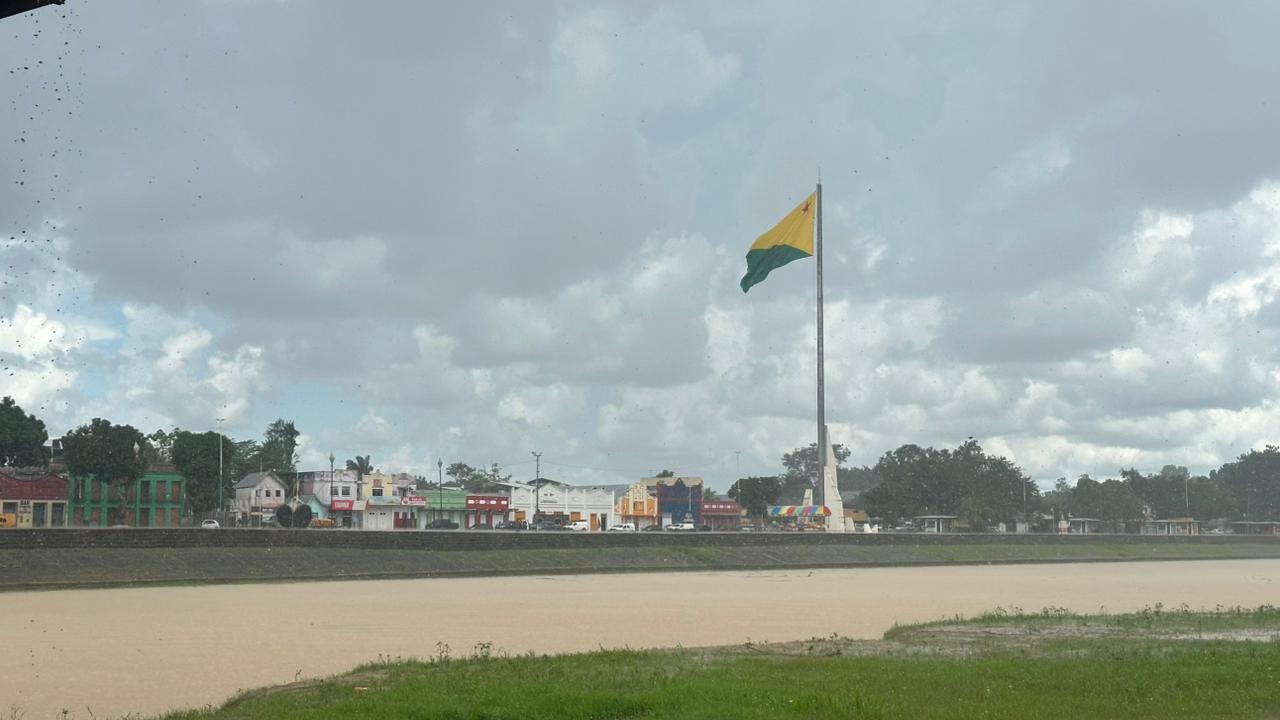
Rio Branco, the capital of Acre, experienced a severe lack of rainfall in June, with only two days recording precipitation that totaled 106 millimeters. This amount significantly exceeded the expected 39.4 millimeters for the month, but the rain was highly concentrated, offering only a temporary and limited effect on the critically low level of the Acre River. Civil Defense coordinator Lieutenant Colonel Cláudio Falcão stated that without these two specific days of rain, the city would have received only about 3 millimeters for the entire month, highlighting the dire drought conditions. The Acre River's level on June 30th was recorded at 2.61 meters, higher than the anticipated 2 meters, but this was due to the concentrated rainfall rather than a sustained improvement. Falcão warned that the situation is critical and likely to worsen, especially as July, August, and September are typically dry months in the region. The forecast is further complicated by the intensifying El Niño phenomenon, which is expected to bring extreme heat and prolonged drought to Acre. Scientists predict El Niño will gain strength from August and potentially last until late 2026, with significant impacts including abnormal temperature peaks, particularly from September onwards. This outlook is concerning given Acre's recent experience with the powerful 2023/2024 El Niño, which caused prolonged drought, record low river levels, and high temperatures, with the Acre River reaching a historic low of 1.23 meters on September 21, 2023.
The concentrated rainfall in Rio Branco, while exceeding monthly averages, underscores a critical vulnerability in water resource management during prolonged dry seasons exacerbated by climate phenomena like El Niño. The analysis suggests that the region's infrastructure and planning may be ill-equipped to handle the increasing frequency and intensity of extreme weather events, particularly the dual threats of severe drought and extreme heat. The reliance on short, intense rainfall events to temporarily mitigate low river levels highlights a systemic challenge in ensuring consistent water availability. As El Niño's influence is projected to intensify through 2026, with potential to surpass previous records, Acre faces a heightened risk of water scarcity, impacting ecosystems, agriculture, and public health. This situation calls for proactive, long-term strategies that move beyond reactive measures to build resilience against predictable climatic shifts.
AI-generated to prompt reflection — not editorial opinion, not advice, not a statement of fact. How this works.