Rio Branco Faces Water Shortage as Landslide Damages Power Grid at Water Treatment Plant
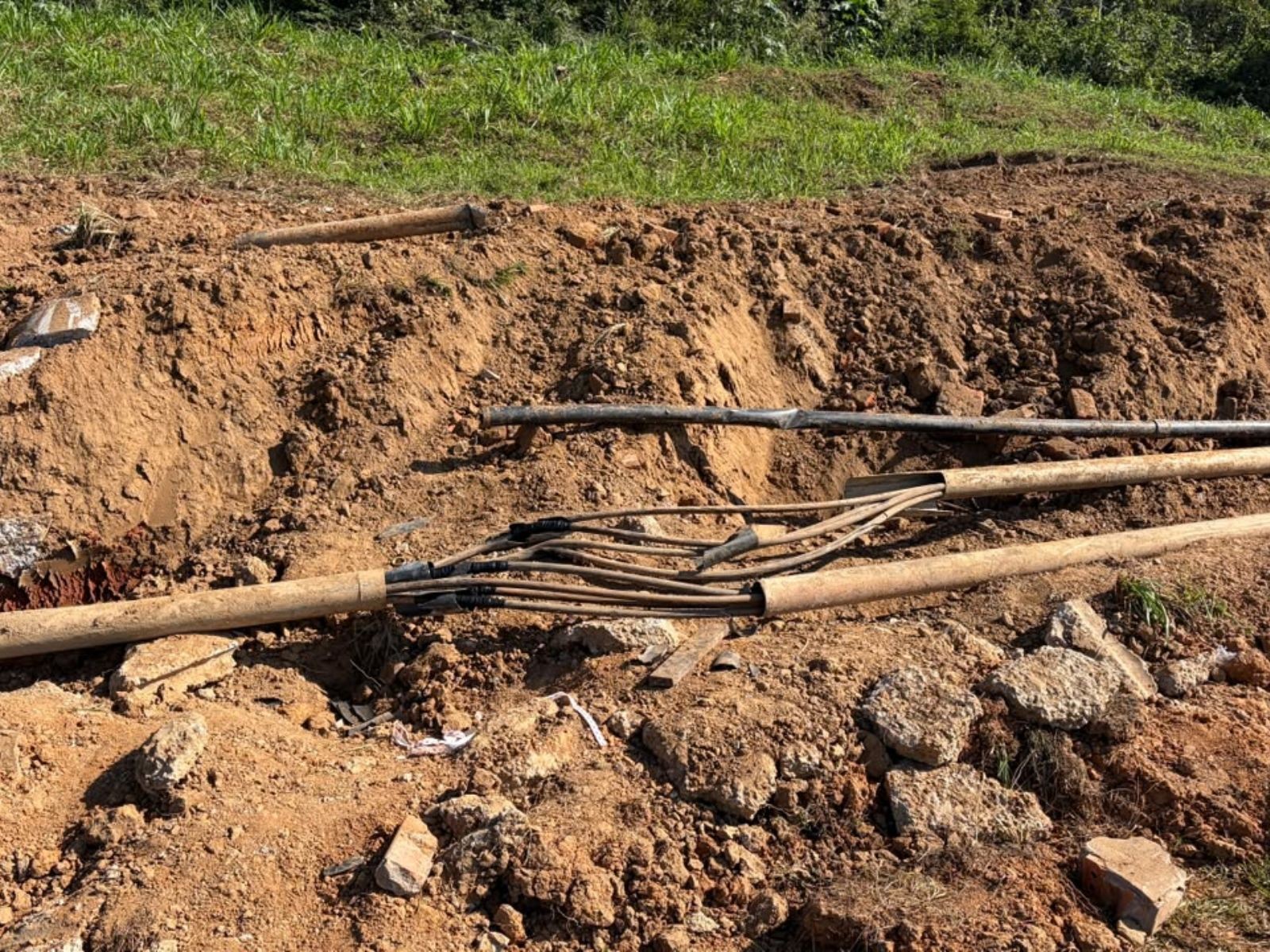
Rio Branco, Brazil, is experiencing a significant water shortage affecting 60% of its population due to damage to the electrical network at Water Treatment Station II (ETA II). The incident occurred on Monday, October 27th, when soil movement caused a landslide that damaged underground power cables supplying the water intake pump. This resulted in an overheating and short circuit, forcing the station to shut down.
The affected areas include the Central, Placas, Horto Florestal, Calafate, Segundo Distrito, and São Francisco regions. This is the second major water disruption in Rio Branco within a week; a previous failure on Thursday, October 23rd, also impacted ETA II due to electrical grid fluctuations. While that issue was resolved, the subsequent soil movement exacerbated the problem.
Enoque Pereira, president of Saerb (Serviço de Água e Esgoto de Rio Branco), stated that the damaged eight-cable underground network required excavation and manual repair due to the high voltage and risk to workers. Saerb aims to restore full water supply by 10 PM on Monday. The organization is also planning a permanent solution, including shifting the power supply from underground to overhead lines and studying the feasibility of a large reservoir to mitigate future issues related to the river's rapid fluctuations, a common problem in the Amazon region.
This recurring infrastructure failure highlights systemic vulnerabilities in Rio Branco's water supply, particularly its reliance on aging electrical systems susceptible to environmental factors like soil movement. The repeated disruptions, occurring within days of each other, suggest a need for more robust preventative maintenance and resilient design, especially given the region's known environmental challenges. The shift to an overhead power supply, while an immediate fix, may introduce new risks and warrants careful consideration of long-term, sustainable solutions that address the root causes of these failures, such as comprehensive land management and infrastructure upgrades. Future planning should prioritize adaptability to environmental changes and ensure redundancy in critical systems to guarantee consistent public services.
AI-generated to prompt reflection — not editorial opinion, not advice, not a statement of fact. How this works.