Rio Branco FC's Stadium Seized Over R$108.6k Property Tax Debt
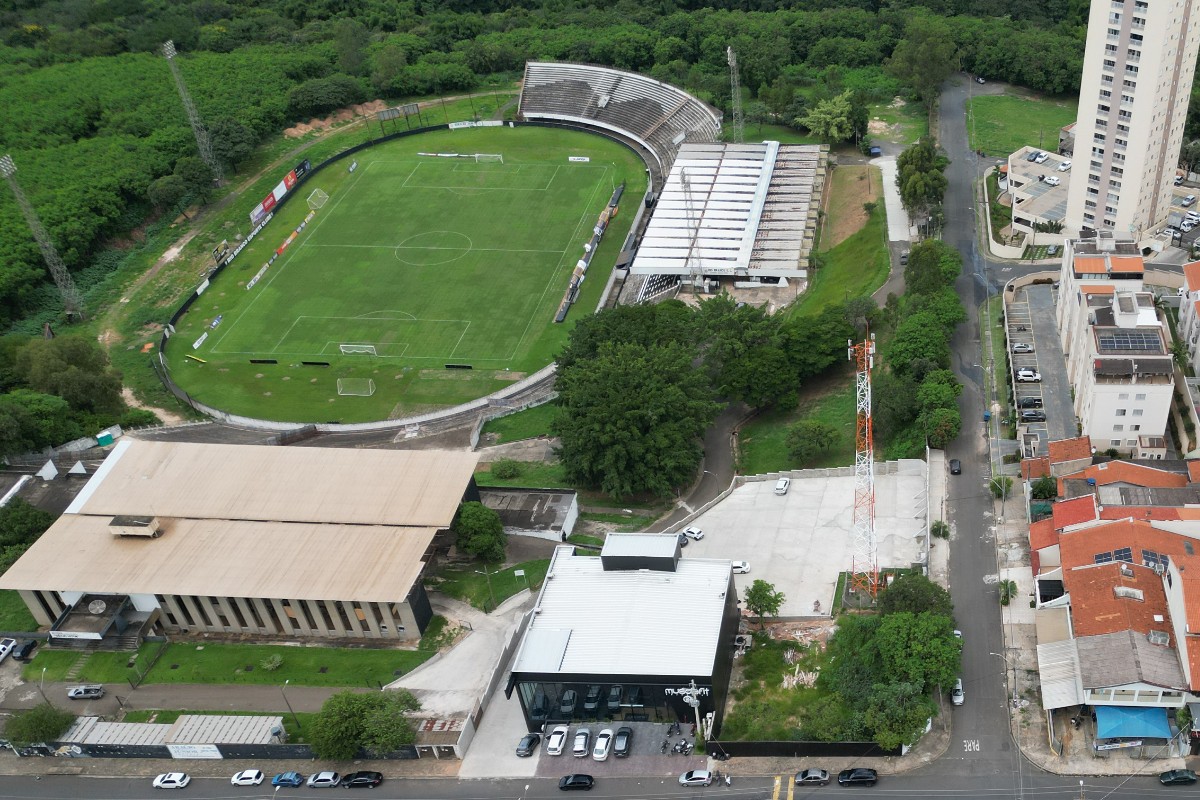
The Rio Branco Esporte Clube, the sole professional football team in Americana, São Paulo, has had its Décio Vitta stadium seized by judicial order due to an outstanding property tax (IPTU) debt of R$108,645.49 from 2023. This seizure means the stadium could be auctioned to cover the debt. The Prefeitura (City Hall) of Americana initiated legal action after the club failed to pay the tax, despite being notified in December 2024. This is not the first time the club's assets have been targeted for IPTU arrears; in April, its 'Sede Náutica' (Nautical Headquarters), a large sports and social complex, was also seized for unpaid taxes dating back to 2011. The total outstanding IPTU debt for the stadium alone, including arrears from 2021, 2022, 2023, 2024, and 2025, amounts to R$526,668.87. The Sede Náutica faces an even larger debt burden of R$864,428.71. Founded in 1913, Rio Branco has a history of participation in state and national leagues, including 18 years in the first division and numerous appearances in Série C. The club is currently undergoing judicial recovery proceedings to address labor and unsecured debts, and recently won the Série A-4 championship in 2024.
The seizure of Rio Branco FC's stadium highlights a critical tension between the financial sustainability of traditional sports clubs and their civic obligations, such as property tax payments. While sports clubs often serve as significant cultural and social anchors for their communities, their operational models can be fragile, leading to accumulating debts. The repeated seizure of assets, including the stadium and the Sede Náutica, suggests underlying systemic financial challenges that extend beyond a single year's tax burden. This situation raises questions about governance structures within such clubs and their capacity to manage diverse financial liabilities, including operational costs, player salaries, and municipal taxes. Future considerations for sports organizations may involve exploring diversified revenue streams, more robust financial planning, and potentially collaborative models with municipal authorities to ensure both sporting legacy and fiscal responsibility are maintained.
AI-generated to prompt reflection — not editorial opinion, not advice, not a statement of fact. How this works.