Rio Branco Prison Visits Halted Amid Suspected Riot, Families Protest
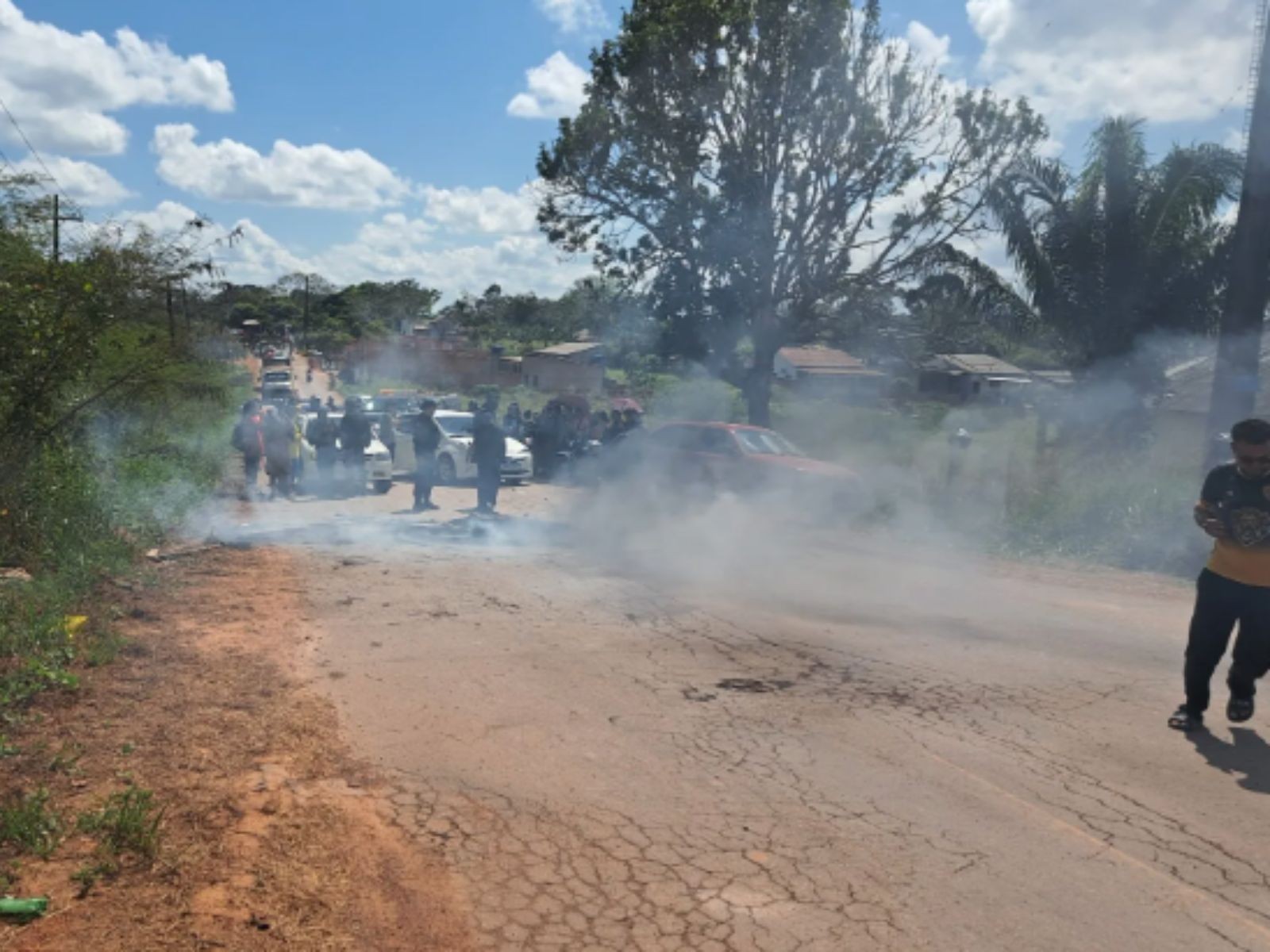
Visits to the Francisco de Oliveira Conde Penitentiary Complex (FOC) in Rio Branco, Acre, were suspended on Wednesday, October 15th, due to suspicions of an impending riot in Pavilion E. The suspension was announced by the Acre State Penitentiary Administration Institute (Iapen-AC). In response, families of the incarcerated individuals, who were waiting to visit, became enraged and blocked the prison's access road. Protesters set fire to wood and mattresses to obstruct vehicle passage. The Iapen-AC stated that the measure was implemented after observing suspicious inmate movements, aiming to maintain order and ensure the safety of staff, visitors, and inmates. The Military Police intervened, spoke with the demonstrators, and the road was reopened. In addition to the riot concerns, a police dog was reportedly poisoned during nighttime patrols within the facility. Authorities suspect inmates used controlled medications mixed with food scraps to poison the animal, which is now hospitalized. Iapen-AC condemned the poisoning as an attack on security personnel. The suspension, communicated on Tuesday, October 14th, was based on indications of potential escape plans and the poisoning incident.
The suspension of prison visits and subsequent family protests highlight the inherent tensions within correctional facilities, particularly when transparency regarding inmate conditions and security measures is limited. The dual incidents of suspected riot planning and the poisoning of a police dog suggest a breakdown in institutional control and communication, potentially stemming from underlying inmate grievances or attempts to assert influence. From a systemic perspective, such events underscore the critical need for robust, transparent, and humane prison management practices that prioritize de-escalation and address the root causes of unrest. Future challenges will involve balancing security imperatives with the rights of inmates and their families, while also ensuring the welfare of correctional staff and service animals, all within an evolving landscape of penal policy and public accountability.
AI-generated to prompt reflection — not editorial opinion, not advice, not a statement of fact. How this works.