Rio Branco Protest Over Bus Crisis Turns Violent Between Students and City Hall Staff
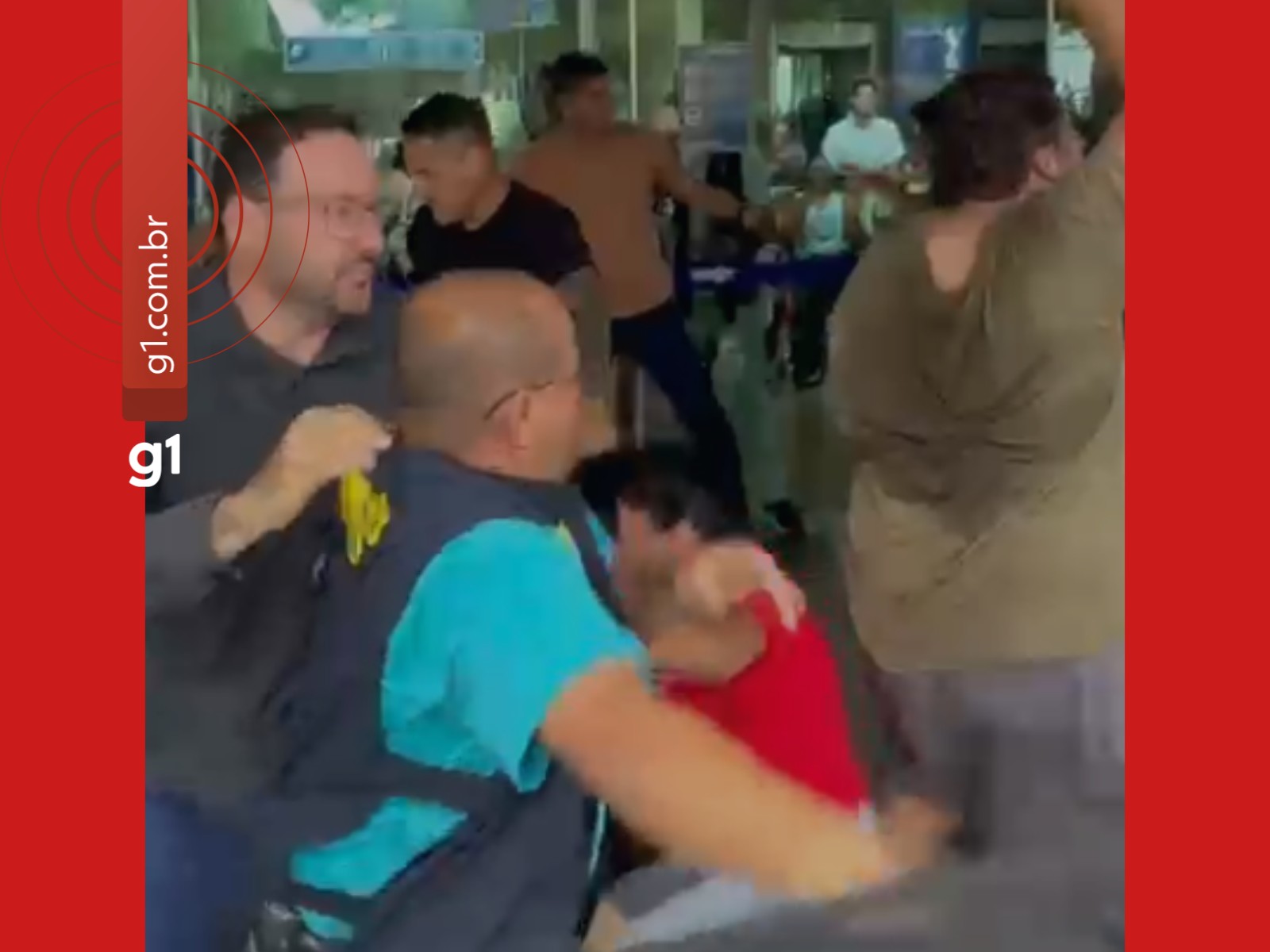
A protest in Rio Branco, Brazil, concerning the public transportation crisis escalated into physical altercations between students from the Federal University of Acre (Ufac) and employees of the Rio Branco City Hall on Monday morning, May 13th. Video footage circulating online captured the confrontation outside the municipal executive building, where students were protesting the inadequate bus services. The demonstration led to significant traffic disruptions on Rui Barbosa Street, which was blocked by students holding signs criticizing the transport system, and also impacted Getúlio Vargas Avenue. During the unrest, a female student was seen being pushed to the ground, and general pushing and shouting ensued between the two groups. Students also marched to the Acre State Public Education Teachers' Union (Sinproac) as part of their demonstrations. One student, Afrodite Garcia, reported being pepper-sprayed and witnessing further aggression against another female student, including hair-pulling and punches. Garcia stated that city hall employees removed barricades and advanced on the protesters, escalating the situation. She described one employee allegedly choking a fellow student, which intensified the conflict. According to Garcia, police intervention involved pepper-spraying, with a particular focus on women. She also reported seeing a metal barricade thrown at herself and another student, though they managed to escape the immediate vicinity.
The clash between Ufac students and Rio Branco city hall staff highlights the volatile intersection of civic protest and public service provision, particularly concerning essential services like public transportation. The students' grievances stem from a systemic failure in the city's bus network, evidenced by reduced fleet operations and passenger delays. The physical confrontation, including allegations of pepper spray use and targeted aggression, suggests a breakdown in de-escalation protocols and potentially an overreach by municipal employees and authorities. Moving forward, Rio Branco's municipal government and Ufac administration must establish clear communication channels and conflict resolution mechanisms. Future protests, while disruptive, are a democratic right; ensuring they remain peaceful requires proactive engagement from authorities to address the root causes of discontent rather than reacting with force, thereby fostering a more constructive dialogue around urban mobility challenges.
AI-generated to prompt reflection — not editorial opinion, not advice, not a statement of fact. How this works.