Rio Branco Public Transport Crisis: Five Bus Lines Remain Inoperative
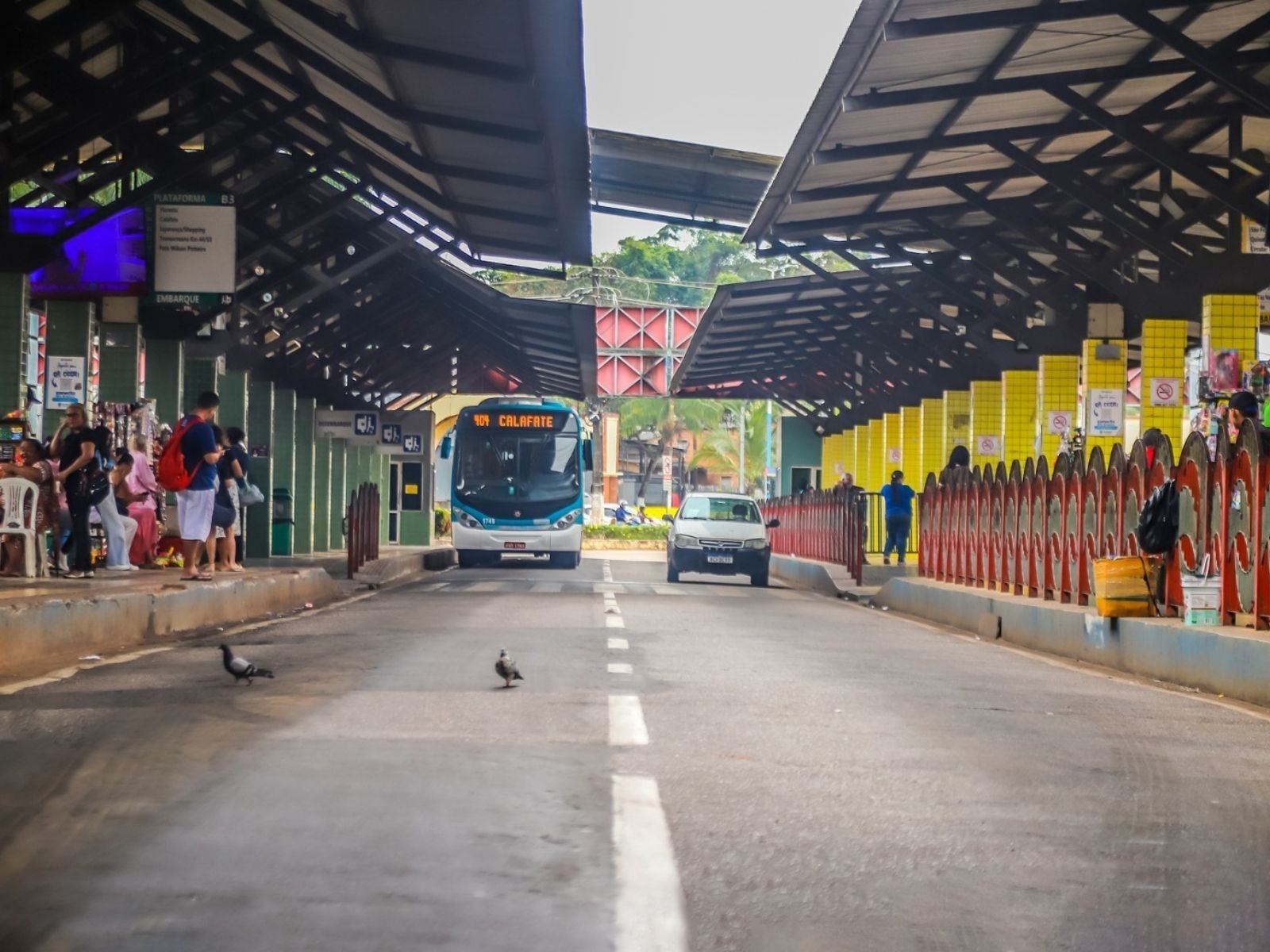
Despite a judicial order allowing the return of seized buses, five out of 48 public transport lines in Rio Branco, Acre, are still not operating as of Monday, February 20th. The Municipal Superintendence of Transport and Traffic (RBTrans) reported that 43 lines are currently active with 59 buses, falling short of the usual weekday requirement of 67 vehicles. The non-operational lines include Recanto dos Buritis, Palheira, Polo Wilson Pinheiro / Transacreana Km 25, Apolônio Sales / APADEQ, and Aviário / Cadeia Velha. This situation follows the return of 28 of 50 buses to service on Friday, February 17th, after a contractual dispute led to their seizure on June 30th. The reduced bus availability had previously caused overcrowding, extended waiting times, and even led to the suspension of classes at the Federal University of Acre (Ufac). The municipality is also awaiting the arrival of an additional 20 buses to bolster the service. The judicial release of the 50 buses was facilitated by a R$2.8 million judicial deposit made by the municipality, satisfying a claim by the former operator, Ricco Transportes e Turismo. The court order mandates that the released buses must be maintained and cannot be dismantled or deteriorated during the ongoing legal proceedings. This partial fleet restoration is occurring concurrently with Rio Branco's transition to a new emergency operator, JTP Transportes, which will gradually take over operations over 90 days. The future fleet is planned to comprise 120 buses, including 60 new vehicles equipped with modern amenities like air conditioning, Wi-Fi, and accessibility features.
The ongoing disruption in Rio Branco's public transport highlights systemic challenges in managing essential services during contract transitions and legal disputes. The reliance on judicial intervention and significant financial deposits to restore basic service indicates potential vulnerabilities in the regulatory framework governing public transportation contracts. Looking ahead, the integration of a modernized fleet with advanced amenities suggests a strategic effort to improve user experience and operational efficiency. However, the success of this transition will depend on robust oversight to ensure the new operator meets contractual obligations and that future service disruptions are mitigated through proactive planning and contingency measures, rather than reactive legal battles.
AI-generated to prompt reflection — not editorial opinion, not advice, not a statement of fact. How this works.