Rio Branco Public Transport Crisis: Less Than Half of Buses Operating
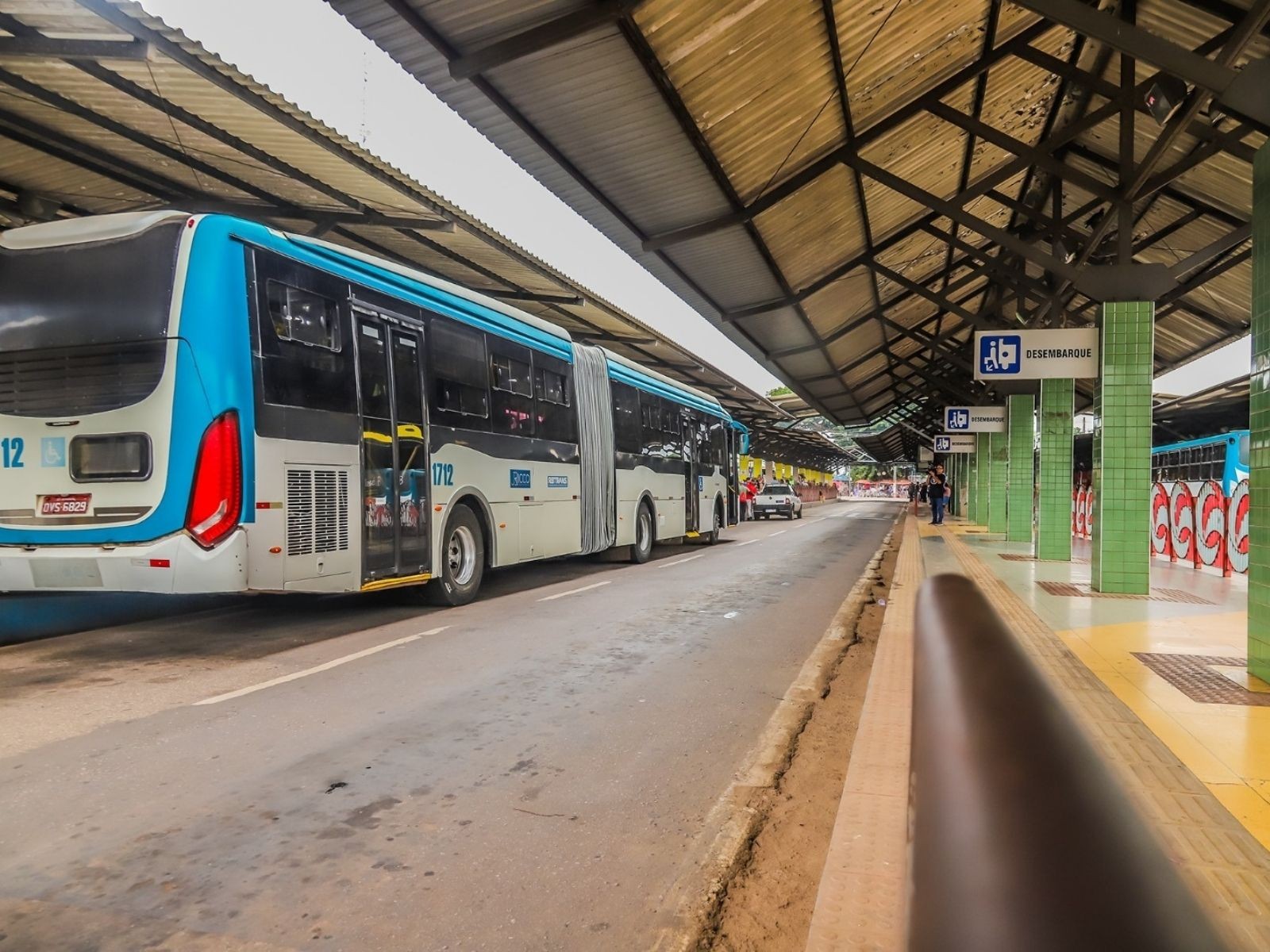
Rio Branco is facing a severe public transport crisis, with only 39 out of 94 scheduled buses operating on Monday, June 6th. This represents just 41% of the required fleet, significantly impacting commuters. The municipal transit authority, RBTrans, confirmed that 15 routes currently have no buses running at all. Routes with the highest operational numbers include Sobral with three buses, and Santa Maria/Vila Acre, Liberdade, Cidade do Povo/Chico Mendes, Calafate, UFAC/Via Avenida Ceará, Universitário, and Transacreana Km 44/Km 58, each with two buses. All other active routes are operating with only a single vehicle. This situation follows a judicial decision on Tuesday, May 30th, where part of Ricco Transportes e Turismo's fleet was seized due to a debt of nearly R$ 3 million. Although the court order was for 50 buses, only 38 were impounded to mitigate further disruption. Ricco Transportes will continue operating the collective transport for an additional 60 days, a decision confirmed on Friday, June 3rd, to manage the transition to a new operating company, JTP Transportes. The initial 30 days of this extension are for organizing electronic ticketing and the new company's setup, including hiring staff and establishing a garage. The subsequent 30 days are to allow the new fleet of approximately 120 buses to arrive. In response to the reduced service, Rio Branco's City Hall temporarily authorized a taxi-lotação service, charging R$ 5 per passenger for transport between neighborhoods and the city center, to help alleviate the strain on residents who cannot afford alternative transport.
The ongoing public transport disruption in Rio Branco highlights systemic challenges in municipal service provision, particularly concerning fleet maintenance and financial solvency of private operators. The reliance on judicial seizure of assets for debt recovery, while addressing immediate creditor claims, creates cascading service failures for the public. The temporary extension of the contract with Ricco Transportes and the planned introduction of a new operator, JTP Transportes, suggest a reactive approach to a persistent problem. Future policy should focus on robust contract oversight, performance-based incentives, and contingency planning to ensure service continuity, rather than relying on short-term fixes or judicial interventions that disrupt essential public services. The city's dependence on a limited number of vehicles and the financial vulnerability of operators indicate a need for greater public investment or more resilient public-private partnership models to guarantee reliable transportation for its citizens.
AI-generated to prompt reflection — not editorial opinion, not advice, not a statement of fact. How this works.