Rio Branco Receives Four Buses to Bolster Reduced Public Transport Fleet
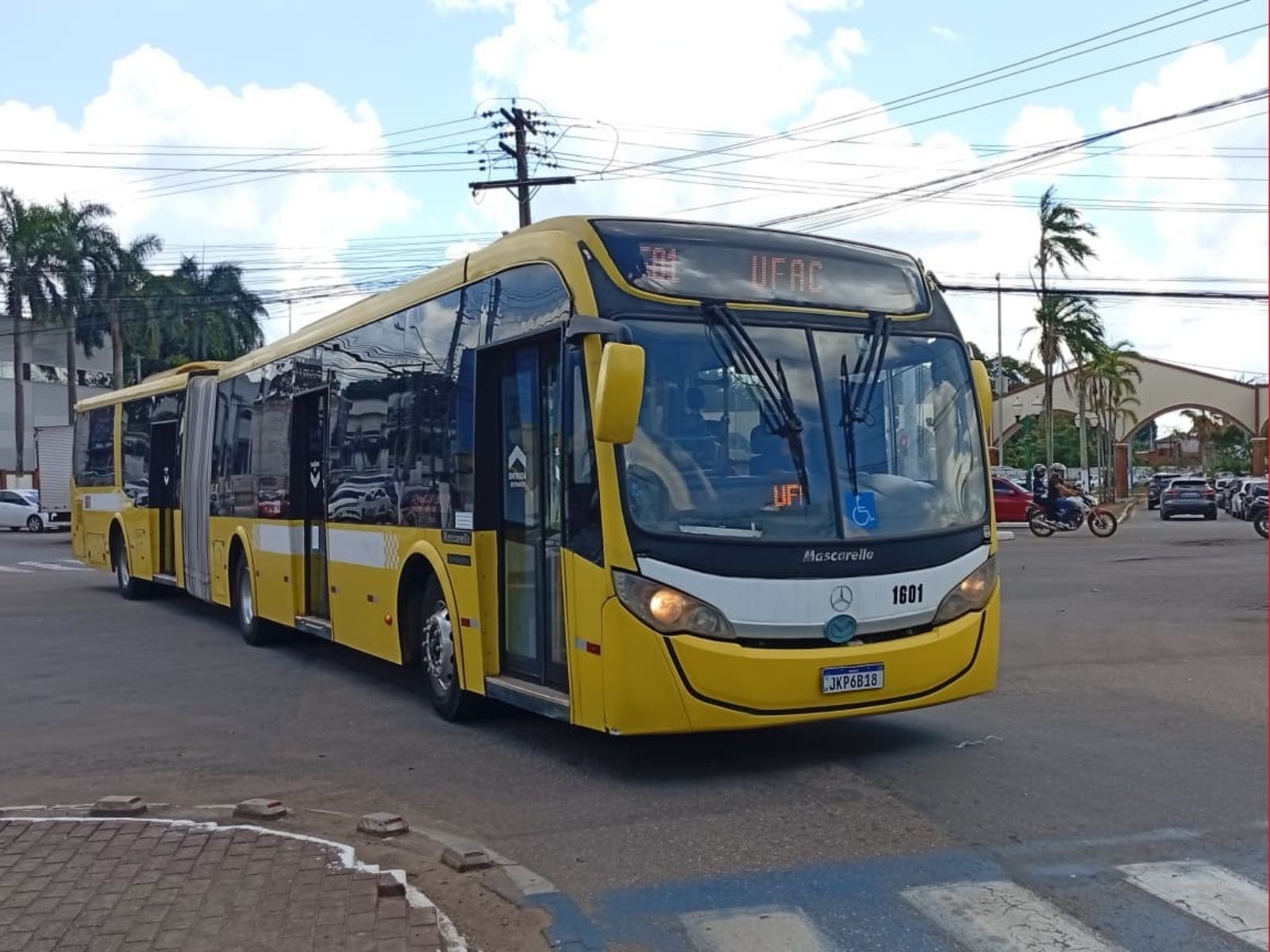
Rio Branco has received four new articulated buses in an effort to alleviate a public transportation crisis, though the fleet remains significantly below operational capacity. Only one of the new buses has begun service on the Ufac/Via Avenida Ceará line, while the other three are undergoing air conditioning maintenance and adjustments. The Municipal Superintendence of Transport and Transit (RBTrans) anticipates these three vehicles will be operational by Friday, July 31st, with a possibility of earlier deployment on Thursday, July 30th. These new vehicles belong to Ricco Transportes and Turismo Ltda. and are distinct from 50 buses previously seized and later released by the judiciary, nor are they part of the fleet for the incoming new service operator. Despite this reinforcement, the current number of buses in operation, over 60 this week, is less than two-thirds of the 94 buses scheduled for the capital's service. This shortage has led to delays, overcrowding, and significant difficulties for commuters, prompting Federal University of Acre (Ufac) students to suspend academic activities. In response to the ongoing crisis, a court order on July 20th mandated the emergency accreditation of taxis and vans to ensure passenger service without additional cost. The same judicial decision requires the municipality to deploy 19 available buses and restore a minimum fleet of 100 vehicles within five days, under penalty of a R$10,000 daily fine, and to present a formal contingency plan within 30 days. The transition to a new operator, JTP Transportes, is underway and expected to take up to 90 days, during which Ricco's contract is extended. The future fleet is planned to include 120 buses, with 60 being brand new and equipped with modern amenities.
The ongoing public transport challenges in Rio Branco highlight systemic issues in urban mobility planning and execution, particularly during transitions between service providers. The judicial intervention, while addressing immediate service gaps, underscores a reactive approach rather than proactive infrastructure and fleet management. The described delays in deploying new vehicles and the reliance on emergency measures like taxi and van accreditation suggest potential inefficiencies in procurement, maintenance, or regulatory oversight. Looking ahead, the integration of new technologies and the commitment to a larger, modern fleet by the incoming operator present an opportunity to address past shortcomings. However, sustained success will depend on robust oversight mechanisms that ensure operational reliability, equitable service distribution, and long-term financial sustainability, moving beyond crisis management to a model of continuous improvement and resilience in public service delivery.
AI-generated to prompt reflection — not editorial opinion, not advice, not a statement of fact. How this works.