Rio Branco Residents Block Highway Over Unfinished Health Post
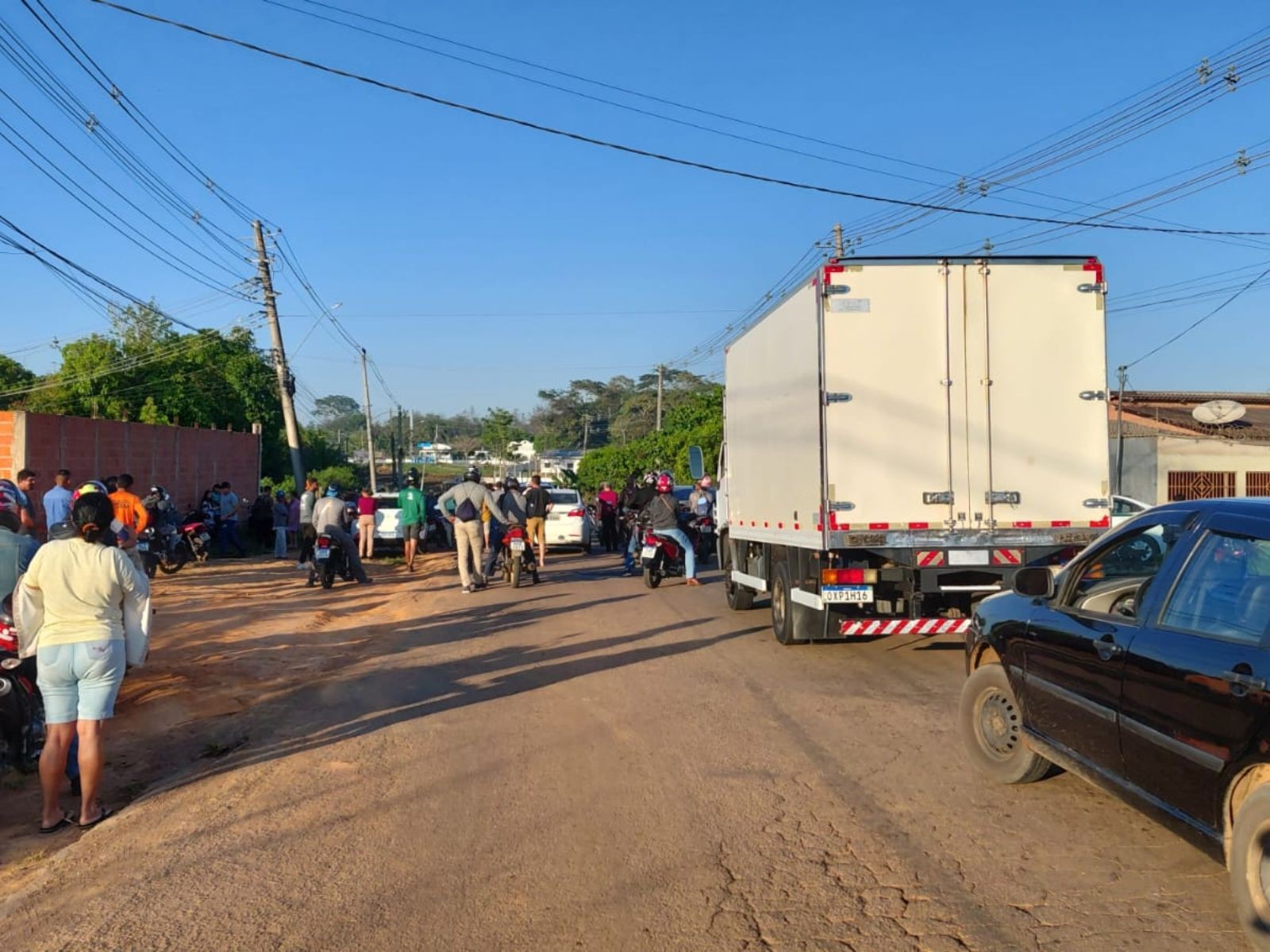
Residents of the Loteamento Mulateiro in Rio Branco, Acre, blocked the AC-10 highway on Monday, May 27th, to protest the delayed completion of their local Basic Health Unit (UBS). The community claims the health facility has been under construction for approximately two years, with significant periods of abandonment. The protest also highlighted demands for general infrastructure improvements in the neighborhood, including road repairs, sewage system issues, and a lack of recreational areas. The AC-10 highway connects the state capital to the municipality of Porto Acre. The blockade caused a substantial traffic jam, affecting both cars and trucks. The road was reopened after municipal official Márcio Pereira, Secretary of Institutional Articulation, met with the demonstrators. He subsequently invited community representatives for a meeting with the Rio Branco City Hall. The municipality stated that an agreement was reached and that a plan for medium and long-term actions to address the issues will be developed. Community representative Dirceu Oliveira expressed frustration over the project's intermittent progress, noting that the construction company appears to face payment issues, leading to prolonged work stoppages. Residents currently have to travel to other neighborhoods for healthcare, facing considerable difficulties. The community also pointed out the deterioration of public spaces, including a football field that was partially used for the UBS construction, leading to a reduction in size and the removal of trees.
This protest highlights a common challenge in public service delivery: the gap between project initiation and completion, exacerbated by potential funding or management issues. The residents' blockade of a key transport route underscores the urgency of their needs and the perceived failure of local governance to provide essential services. The situation reflects systemic issues in infrastructure project oversight and community engagement, where prolonged delays can erode public trust. Future planning must incorporate more robust accountability mechanisms and transparent communication channels to manage citizen expectations and ensure timely delivery of critical facilities like healthcare centers. Addressing the root causes of construction delays, whether financial, logistical, or administrative, is crucial for preventing such disruptions and ensuring equitable access to public services.
AI-generated to prompt reflection — not editorial opinion, not advice, not a statement of fact. How this works.