Rio Branco Residents Block Highway Over Water Shortage, Negotiate Resolution
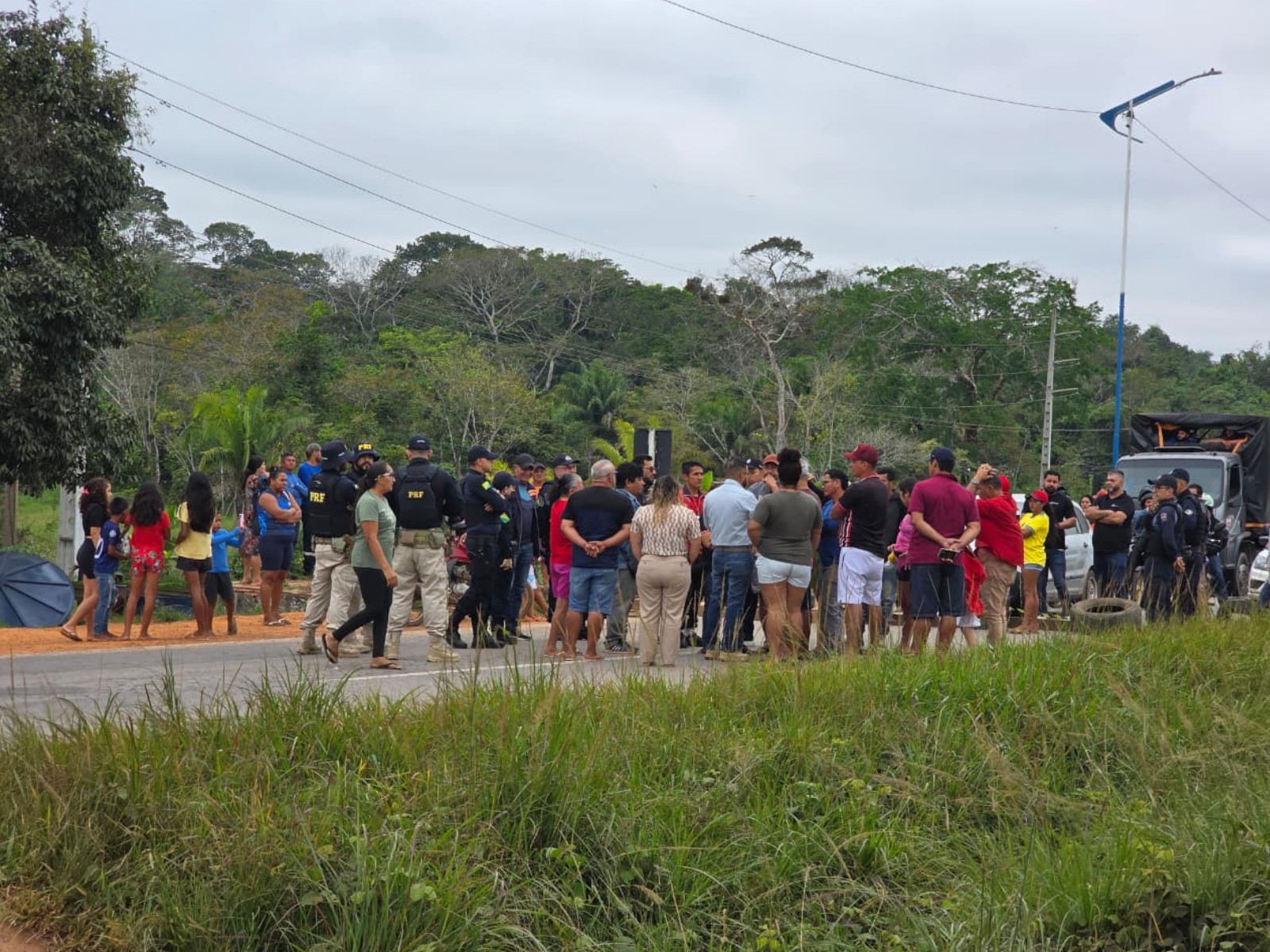
Residents of the Vila Maria settlement in Rio Branco, Acre, blocked the BR-364 highway on Tuesday, March 7th, to demand infrastructure improvements and reliable water supply. The protest, which halted traffic in both directions near the Custódio Freire neighborhood and caused significant congestion, lasted until 7:55 AM. It concluded after negotiations between community representatives and the municipal government. Sisney Costa, president of the Vila Maria settlement, stated that the community has long-standing issues that remain unresolved, including a lack of piped water, difficult street access, particularly during the rainy season, and problems with school transportation. Residents currently rely on water trucks and are seeking a permanent solution for their basic needs and dignity. The municipal secretary of Institutional Articulation, Márcio Pereira, committed to a meeting with the community on Wednesday, March 8th, to discuss their demands. He indicated that representatives from the water utility (Saerb) and the Public Works Secretariat would attend, aiming to find concrete solutions through dialogue. This is not the first time Vila Maria residents have protested; a similar blockade occurred in March 2025 over issues including public lighting, public transport, water supply, road maintenance, and school transport.
The recurring protests by Vila Maria residents highlight a persistent gap between urban development and essential service provision in Rio Branco. The community's repeated use of highway blockades underscores a breakdown in established channels for addressing grievances, suggesting that official responses have historically been insufficient to guarantee long-term service improvements. The municipal government's commitment to dialogue and potential solutions, while a positive step, must be evaluated against the backdrop of past unfulfilled promises. Future interventions should focus on sustainable infrastructure investment and transparent accountability mechanisms to prevent the recurrence of such disruptions, ensuring residents receive equitable access to basic services and fostering trust in governance.
AI-generated to prompt reflection — not editorial opinion, not advice, not a statement of fact. How this works.