Rio Branco Resumes Bus Service After Court Orders Release of Seized Vehicles
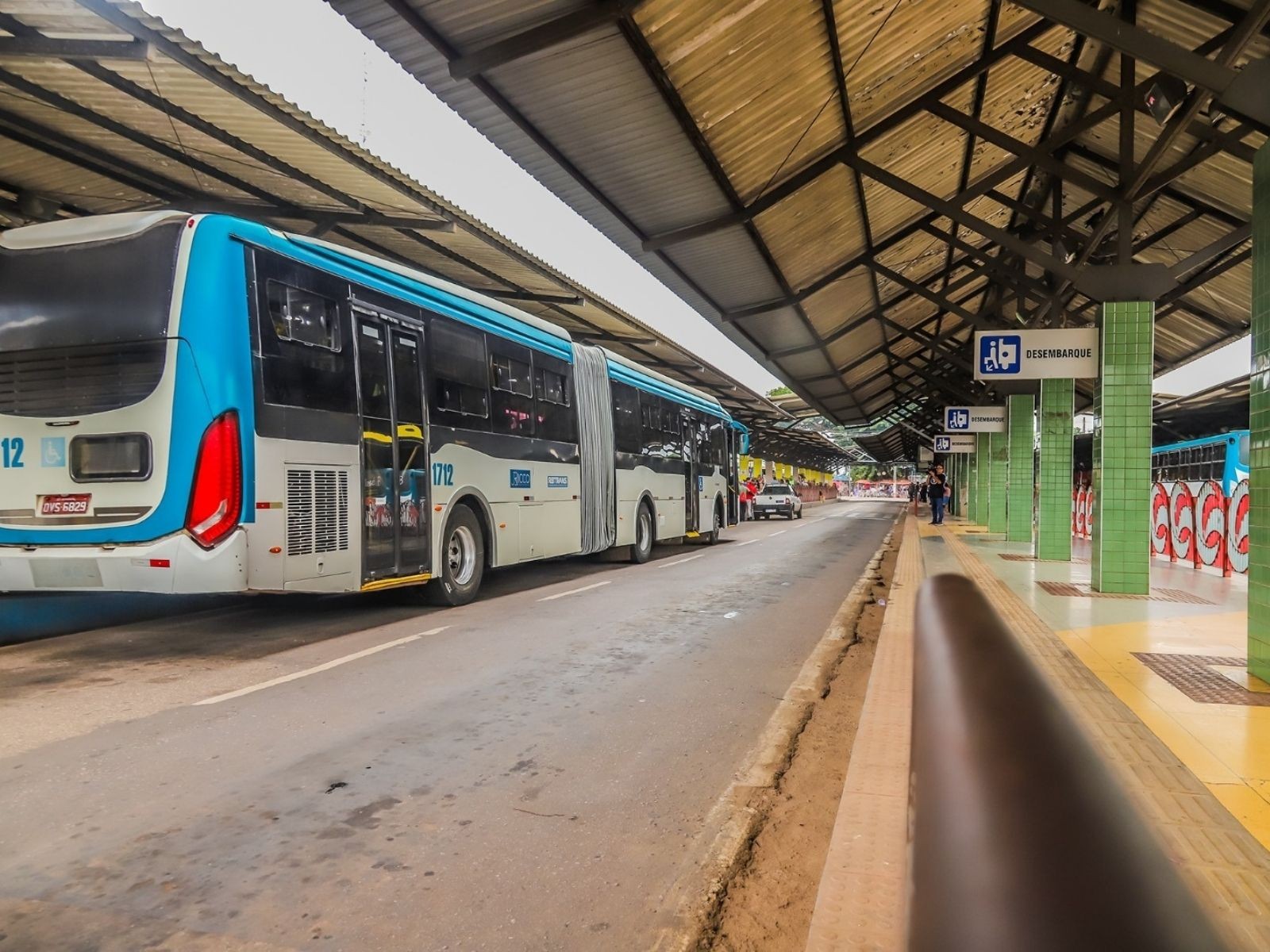
Rio Branco, the capital of Acre, has seen 28 buses return to public transport service following a judicial decision that allowed the release of 50 vehicles previously seized in late June. These buses are now operating after a contractual dispute between private companies led to their impoundment. The return of these vehicles increases the number of buses in circulation on weekdays from 39 to 67. However, on Saturday, November 18th, only 43 buses were operational due to lower weekend demand. The remaining 22 vehicles require inspection before rejoining the fleet. This fleet expansion comes after a court authorized the return of the 50 seized buses, which had been impounded on June 30th. The reduction in bus availability had caused overcrowding, longer waiting times, and even led to the suspension of undergraduate classes at the Federal University of Acre (Ufac). The municipality facilitated the release by entering the legal proceedings and making a judicial deposit of over R$ 2.8 million, as requested by Ricco Transportes e Turismo for an advance on contractual credits. Judge Julio Roberto dos Reis of the 25th Civil Court of Brasília authorized the return of operable buses, stipulating they must not be dismantled or deteriorated during the ongoing legal process. This judicial intervention is occurring concurrently with the city's transition to a new public transport operator, JTP Transportes, which was contracted emergently for a one-year term with a 90-day gradual transition period. The future fleet is planned to consist of 120 buses, including 60 new vehicles equipped with modern amenities.
The judicial release of seized buses in Rio Branco highlights the critical role of contract enforcement and dispute resolution in maintaining essential public services. The disruption caused by the dispute, impacting daily commutes and academic continuity at Ufac, underscores the systemic vulnerability of urban transit to private contractual disagreements. The municipality's intervention, involving a significant financial deposit, suggests a complex interplay between public interest, private enterprise, and legal frameworks. Moving forward, the city's transition to a new operator and the planned modernization of its fleet, including 60 new zero-kilometer buses, indicate a strategic effort to enhance service reliability and passenger experience. This situation prompts consideration of more robust regulatory oversight and contingency planning to prevent future service disruptions, ensuring that the public's access to transportation is not held hostage by private commercial disputes, particularly as urban populations grow and reliance on public transit increases in the coming decade.
AI-generated to prompt reflection — not editorial opinion, not advice, not a statement of fact. How this works.