Rio Branco's Former Homeless Center Building Remains Unused and Deteriorated
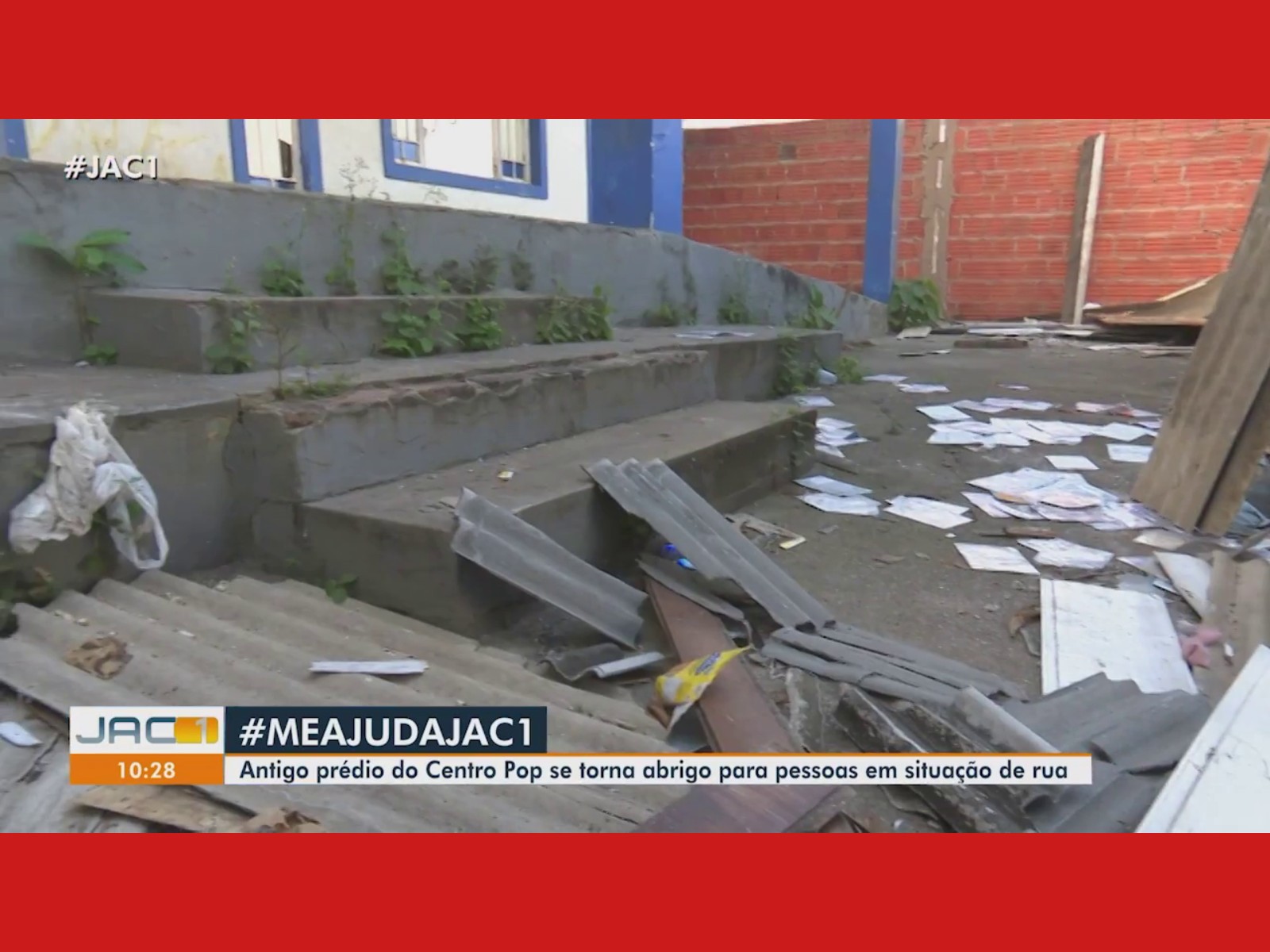
More than a year after its relocation, the former Centro POP building in downtown Rio Branco, Acre, remains vacant and in a state of disrepair. The specialized center for individuals experiencing homelessness was moved in May of the previous year to a new location in the Conjunto Castelo Branco. Reports indicate the abandoned structure is now being used as a shelter by homeless individuals and shows signs of vandalism, accumulated debris, and damaged walls. Images reveal people entering and exiting the property throughout the day. The municipal government stated that the building was returned to the Acre Court of Justice (TJ-AC), the property owner, after the relocation. The TJ-AC plans to redevelop the space, located next to the Palace of Justice, to support the palace's activities. This redevelopment project has been approved by the Elias Mansour Culture Foundation (FEM) and is currently awaiting urban planning permits from the Rio Branco City Hall. Once these permits are secured, the judiciary can commence construction. The original move of the Centro POP was controversial, facing protests from residents near the initially considered new location in the Baixada da Sobral area. The relocation was justified by the Secretariat of Social Assistance and Human Rights (Sasdh) due to the former building's inadequate structure and persistent complaints about vandalism and theft. The Centro POP serves approximately 600 people daily. According to a study by UFMG, Acre had 557 people experiencing homelessness as of October of the previous year, with 481 residing in Rio Branco. This represents a significant increase since 2018, when the figure was around 182.
The prolonged vacancy and deterioration of the former Centro POP facility in Rio Branco highlight a systemic challenge in urban planning and resource management, particularly concerning vulnerable populations. The dispute over the new location, marked by resident protests and a significant rental cost for the new facility, suggests a potential disconnect between municipal service provision and community integration strategies. The current state of the abandoned building raises questions about interim stewardship and the efficiency of the judicial branch's redevelopment timeline. This situation underscores the need for robust contingency plans for public infrastructure and a more transparent, community-inclusive process for relocating essential services, especially when addressing homelessness, to prevent such assets from becoming liabilities and to ensure continuity of care.
AI-generated to prompt reflection — not editorial opinion, not advice, not a statement of fact. How this works.