Rio Branco's Public Transport Transition to New Operator to Conclude Within 90 Days
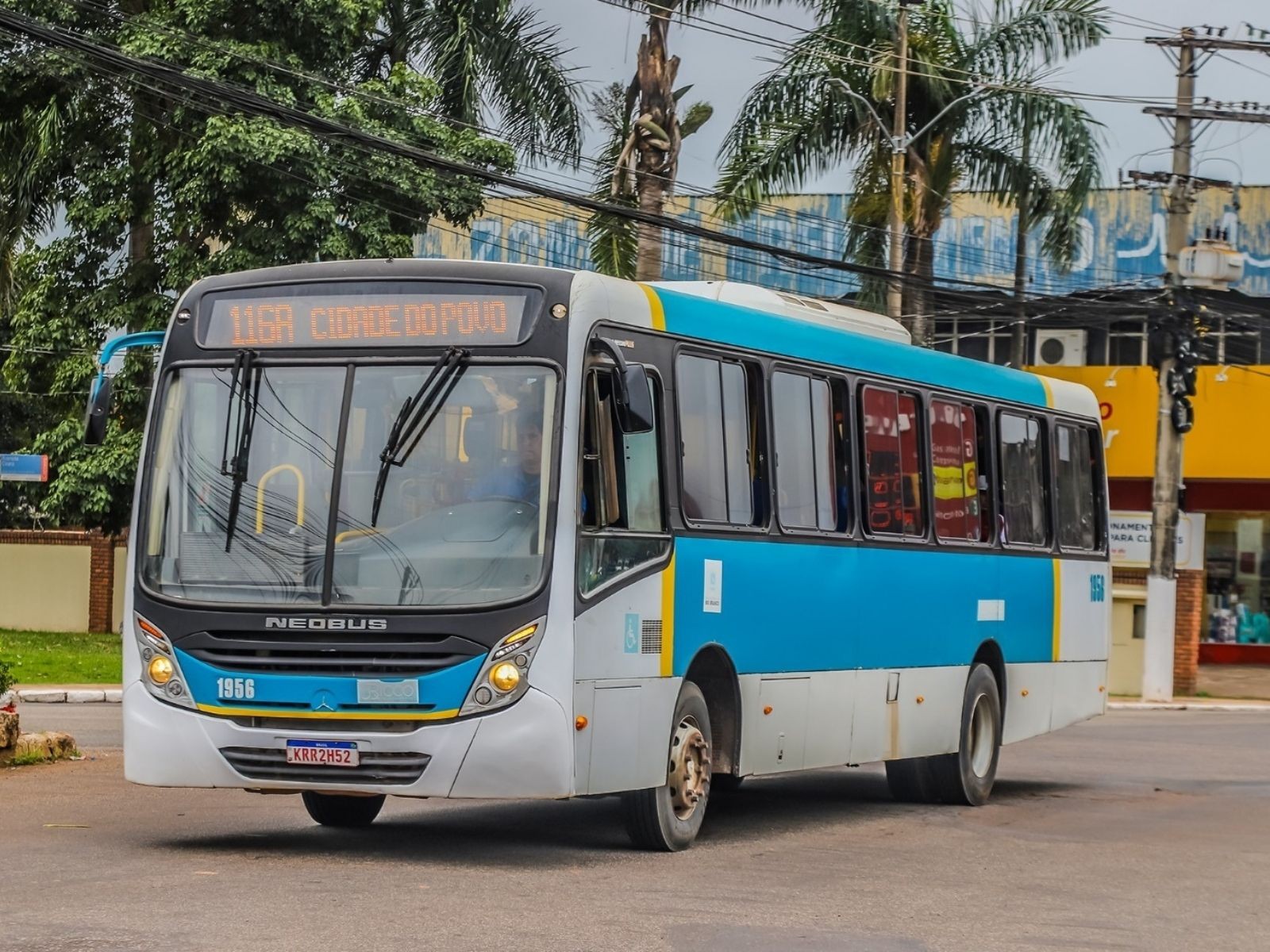
Rio Branco's municipal government has announced that the transition of public bus services to a new operator, JTP Transportes, will be completed within 90 days. The city has signed a one-year emergency contract with JTP, while the current operator, Ricco Transportes e Turismo, will continue services to prevent disruptions. The transition will be gradual, coinciding with the arrival of new buses, and may conclude sooner than the 90-day deadline. The new operation will feature a fleet of 120 buses, with 19 new vehicles already available and an expectation of 60 brand-new buses by early September. All buses will be equipped with air conditioning, Wi-Fi, phone chargers, and accessibility features. The city plans to implement four new routes to serve areas with high demand, identified through technical studies by RBTrans. The transition plan also includes measures to protect the rights of Ricco's employees, with the expectation that they will be absorbed by the new company. The municipality will increase its public subsidy for public transport by approximately R$2 million, with the new contract paying R$11.29 per kilometer. Passenger fares and free travel passes will remain unchanged. Taxi-lotação services will continue in areas not yet covered by the new bus routes during the transition. The current public transport system is operating with a reduced fleet due to judicial seizures of Ricco's buses stemming from a debt of nearly R$3 million, affecting approximately 41% of the required 94 vehicles and leaving 15 lines without service. This follows previous judicial actions against Ricco's fleet in July 2024 due to financing payment delays.
The transition of Rio Branco's public transport system highlights common challenges in municipal service provision, particularly concerning fleet maintenance, financial solvency of operators, and judicial interventions. The city's strategy to mitigate immediate service disruption through an emergency contract and a phased fleet replacement demonstrates a reactive approach to a crisis. The increased municipal subsidy suggests a recognition of the systemic underfunding in public transport, but the reliance on emergency measures and the ongoing impact on citizens indicate potential governance gaps. Looking ahead, a sustainable public transport model requires robust regulatory frameworks, transparent operator selection processes, and proactive financial oversight to prevent such disruptions and ensure reliable service delivery, especially as urban populations grow and mobility demands evolve.
AI-generated to prompt reflection — not editorial opinion, not advice, not a statement of fact. How this works.