Rio Branco sees 18% rainfall increase in first half of 2026, but drought fears loom
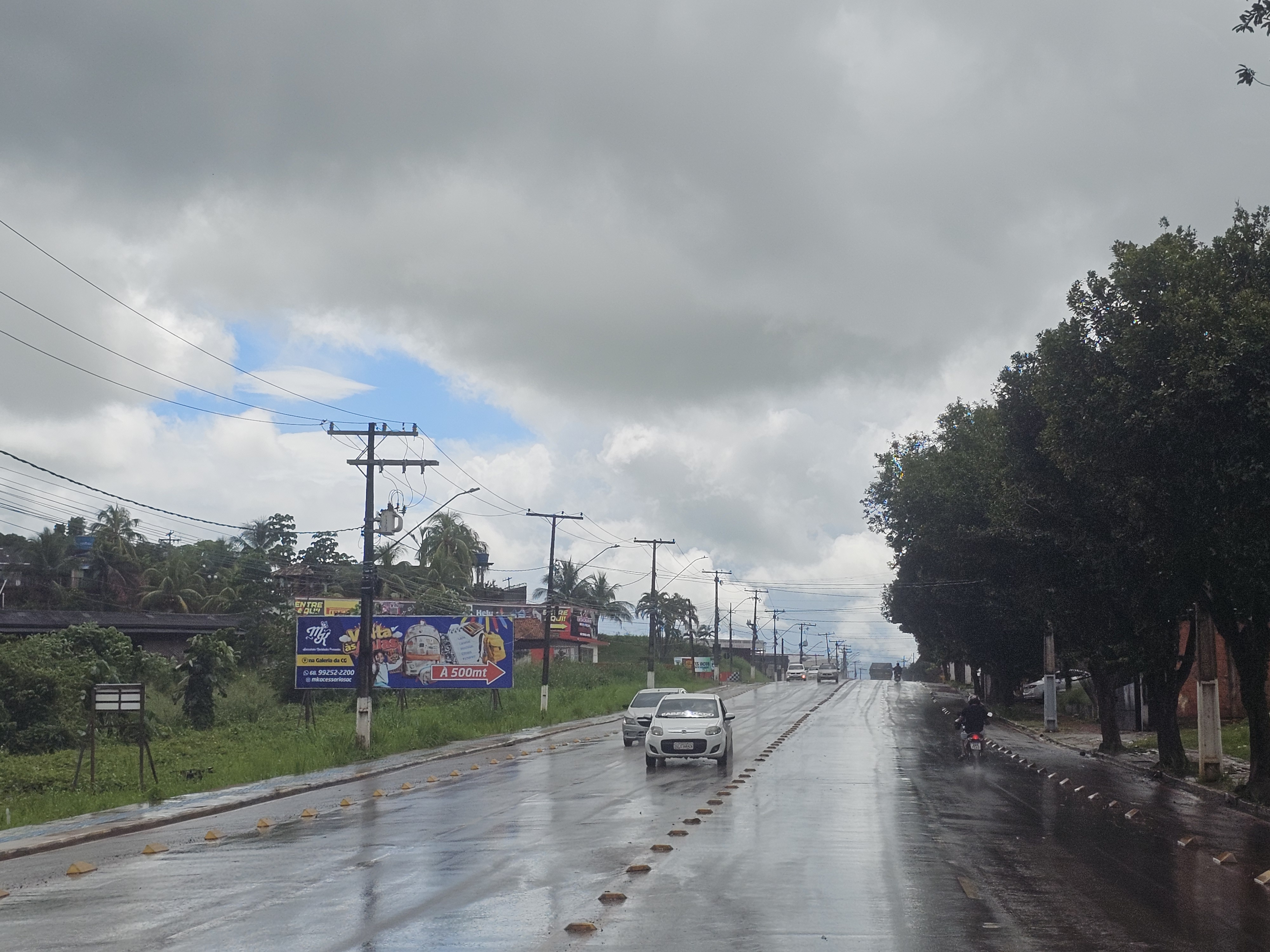
Rio Branco, Acre, experienced a significant 18% increase in rainfall during the first half of 2026 compared to the same period in 2025. The municipal Civil Defense reported a total of 1,557.5 millimeters of rain between January and June 2026, up from 1,321.2 millimeters in 2025. January saw a dramatic surge, with 644.5 millimeters falling, more than triple the 190 millimeters recorded in January 2025. March, May, and particularly June also registered higher rainfall amounts. However, February and April experienced substantial decreases, with February receiving 114.4 millimeters (down from 411.1) and April receiving 245.9 millimeters (down from 357.6). Despite the overall increase, the rainfall was not uniform, with isolated intense downpours heavily influencing the total. Colonel Cláudio Falcão, coordinator of the Civil Defense, noted that while climatic neutrality favored oscillations, these isolated events significantly skewed the data. He highlighted June's rainfall, where 103 millimeters fell in a single day, making up almost the entire month's total of 106 millimeters, far exceeding the historical average of 39.4 millimeters for the month. This pattern suggests a lack of consistent rainfall, even with a higher cumulative total. The dry season, typically from July to September, is expected to be more severe than the previous year, with the Rio Acre already showing signs of lower water levels. Authorities are preparing for a potentially stronger El Niño phenomenon, which historically leads to reduced rainfall, increased temperatures, and a higher risk of drought and wildfires in the Amazon region. Preparatory measures include excavating wells, reinforcing firefighting teams, and planning water supply for isolated communities, aiming to mitigate the impacts of the anticipated severe drought and the increased risk of wildfires, similar to the emergency situation declared in Acre in 2025.
The reported increase in rainfall in Rio Branco during the first half of 2026, while seemingly positive, masks a concerning trend of erratic weather patterns. The concentration of precipitation in isolated, intense events, rather than consistent, moderate rainfall, highlights the challenges of water resource management and drought preparedness. This phenomenon, potentially exacerbated by the anticipated El Niño and global warming, suggests a future characterized by more extreme weather events, including both heavy downpours and prolonged droughts. The proactive measures being discussed by authorities are crucial, but the underlying issue of climate instability requires systemic solutions. Future planning must consider not only immediate drought mitigation but also the long-term implications of altered precipitation regimes on agriculture, ecosystems, and urban infrastructure, necessitating a reevaluation of water management strategies and resilience building in the face of escalating climate volatility.
AI-generated to prompt reflection — not editorial opinion, not advice, not a statement of fact. How this works.