Rio Branco Students Block Overpass Amidst Ongoing Public Transport Crisis
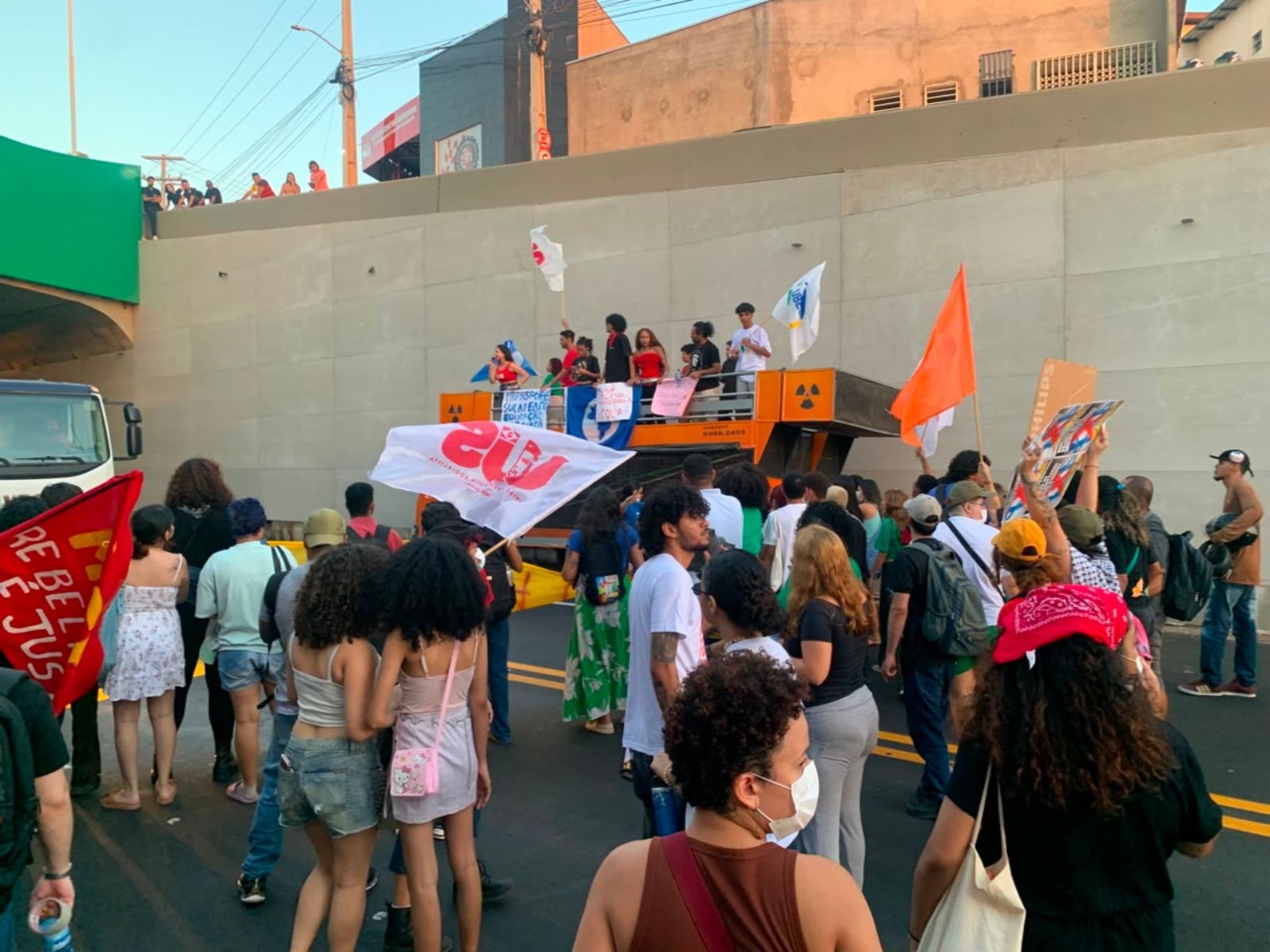
Students at the Federal University of Acre (Ufac) staged a new protest on Wednesday, October 15th, blocking the lower section of a viaduct in downtown Rio Branco. This marks their third demonstration in two days, highlighting the severe crisis in the city's public transportation system. Carrying signs and banners, the student movements are demanding immediate action from the Rio Branco City Hall to ensure their commute to the university. The protest caused traffic slowdowns, as the viaduct is a key transit point. Danton Moura, from the Conexão Estudantil Movement, stated that the protest was organized due to the lack of a definitive solution and unfulfilled promises, specifically mentioning a commitment for 100 buses to be circulating, which he claims has not materialized. Students are demanding a public commitment from the mayor, not just closed-door meetings. Earlier on Wednesday, the same students had blocked the entrance and exit of the Ufac campus on BR-364. Student Leonardo Maia explained that this protest was prompted by an extraordinary meeting of the University Council to discuss academic losses due to transportation issues. They are seeking measures like an atypical academic semester to mitigate these losses. Maia criticized past promises of fleet expansion, stating that improvements have been promised for six years without resolution. The City Hall stated it respects peaceful protest but condemns public building invasions and aggression, noting a commission was scheduled to meet when some protesters attempted forced entry. A meeting on Monday, October 13th, involving student representatives, the university, RBTrans, and the State Audit Court, discussed emergency transport solutions, including plans to increase bus fleet service for Ufac and Ifac. Ufac issued a statement condemning violence during protests and affirming the legitimacy of student demands for dignified access to higher education.
The recurring student protests in Rio Branco underscore a systemic failure in public transportation governance, exacerbated by a disconnect between official promises and tangible service improvements. The students' frustration stems from unmet commitments, suggesting a governance deficit where communication and accountability mechanisms are insufficient to address urgent public needs. This situation highlights a broader challenge for urban mobility in developing regions, where infrastructure and service provision often lag behind population growth and educational access demands. The conflict between student demonstrators and municipal authorities, including alleged aggression, points to a breakdown in constructive dialogue and dispute resolution. Future efforts should focus on establishing transparent service level agreements, independent oversight, and participatory planning to rebuild trust and ensure the right to education is not compromised by inadequate public services.
AI-generated to prompt reflection — not editorial opinion, not advice, not a statement of fact. How this works.