Rio Branco to Increase Bus Fleet by 20 Amidst Ongoing Public Transport Crisis
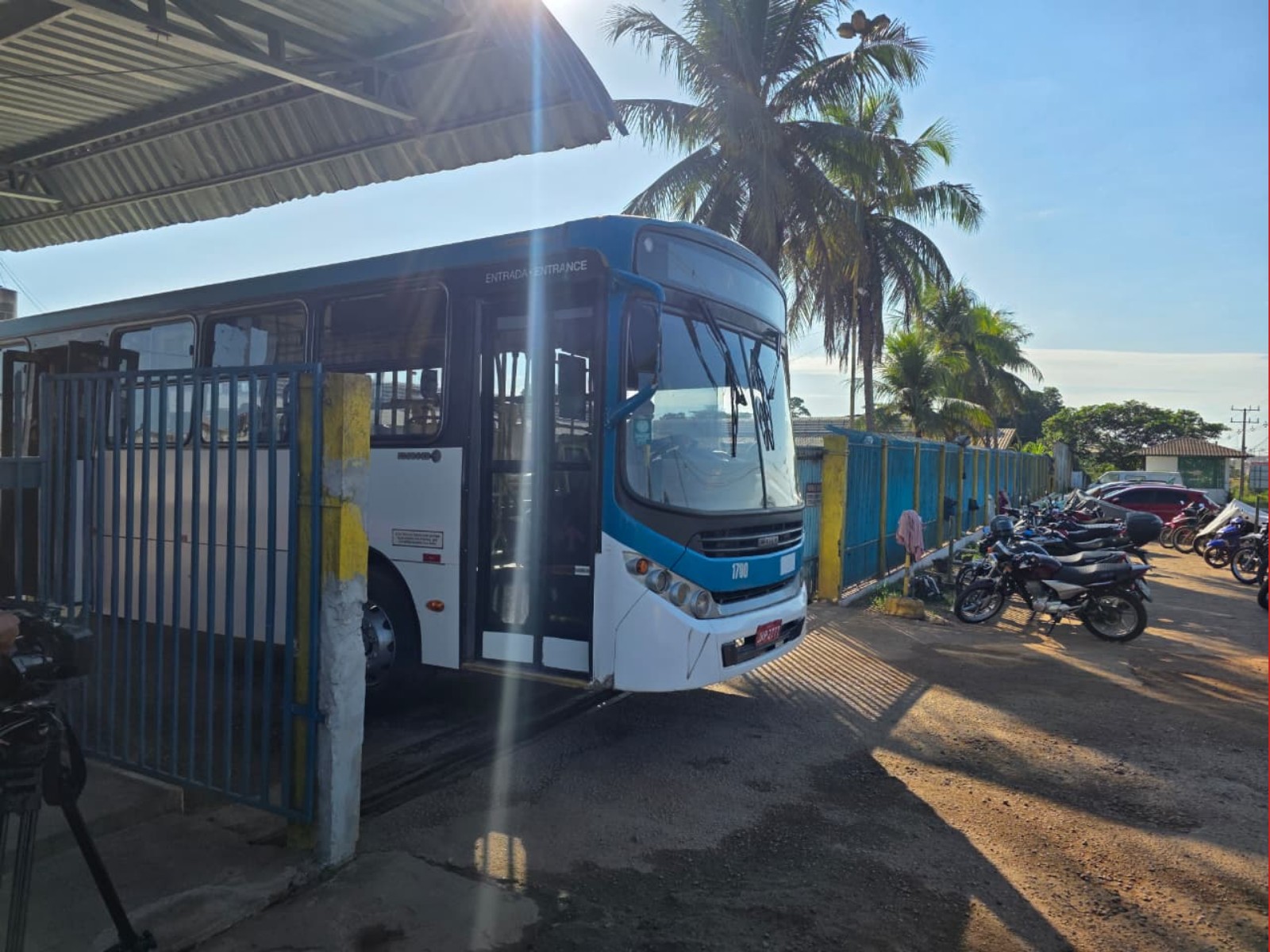
Rio Branco's public transportation system is set to receive a boost with the addition of 20 buses, aiming to alleviate issues that arose after a significant reduction in the fleet. Currently, only 39 buses are operating, representing about 41% of the 94 vehicles deemed necessary to meet the city's demand. This shortage began on June 30th when a judicial decision led to the seizure of some buses belonging to Ricco Transportes e Turismo, causing extended wait times, overcrowded vehicles, and passenger frustration.
To address the immediate impact, the Municipal Superintendence of Transport and Transit (RBTrans) has mandated Ricco Transportes e Turismo to increase its operational fleet. The company is expected to deploy an additional 10 buses between July 14th and 15th. Furthermore, a joint team from the Municipal General Prosecutor's Office (PGM) and RBTrans is traveling to Brasília to secure the release of 12 more buses. The city anticipates a total increase of approximately 20 buses by July 18th, which, while not ideal, is expected to begin mitigating the current difficulties.
In parallel, Rio Branco is undergoing a transition to a new public transport operator, JTP Transportes, Serviços, Gerenciamento e Recursos Humanos LTDA, under an emergency one-year contract. This transition period allows up to 90 days for the new company to establish its operations, including setting up a garage and implementing an electronic ticketing system, while Ricco continues to provide service. The city is also exploring temporary authorization for vans and micro-buses to transport passengers, similar to the emergency taxi-lotação service already in place, to further address the service gaps. The new operator, JTP, is expected to be fully operational by early September with a modern fleet of 120 buses.
The current public transport crisis in Rio Branco highlights systemic vulnerabilities in municipal service provision, particularly concerning fleet maintenance, financial solvency of operators, and judicial enforcement of debt collection. The judicial seizure of assets, while a legitimate recourse for creditors, has created a significant public service disruption, underscoring the need for robust contingency planning and operator oversight. The city's emergency measures, including temporary fleet augmentation and the transition to a new operator, reflect reactive strategies to mitigate immediate fallout. Looking ahead, Rio Branco's transit authorities face the challenge of establishing a more resilient operational framework. This involves ensuring the financial stability and regulatory compliance of future transport providers, potentially through more stringent contract terms, performance bonds, or diversified service models. The integration of new technologies and fleet upgrades by JTP offers an opportunity to improve service quality and efficiency, but sustained success will depend on effective long-term governance and financial management to prevent recurrence of such service disruptions.
AI-generated to prompt reflection — not editorial opinion, not advice, not a statement of fact. How this works.