Rio Branco traffic complex reopens after 11 months, with new circulation patterns
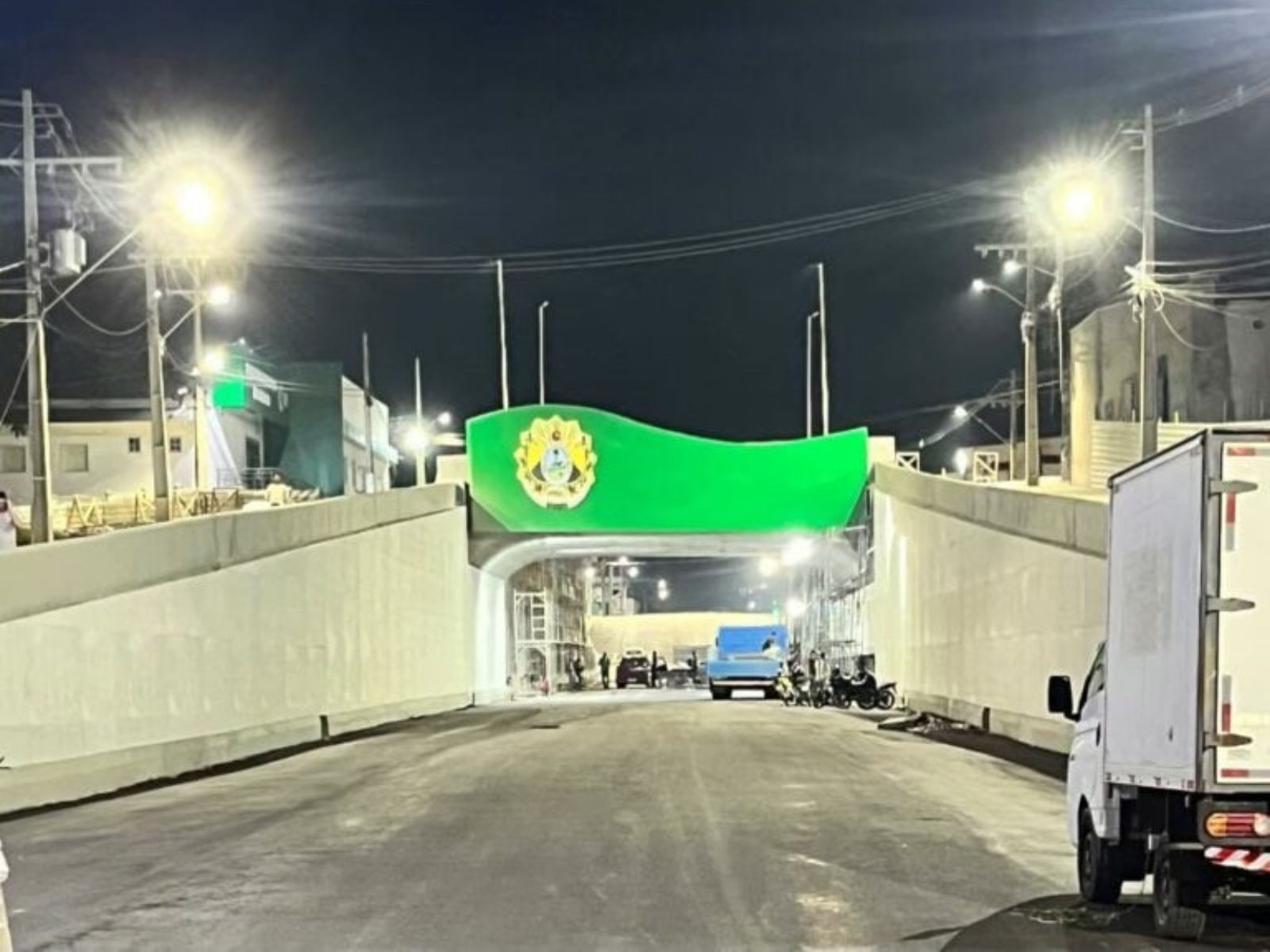
Traffic has been restored to the Ceará Avenue Viaduct Complex in Rio Branco, Acre, after an 11-month closure. The reopening, which occurred on Friday, March 3rd, introduces revised vehicle circulation patterns, including new access points to the city's main avenues, Ceará and Getúlio Vargas. Traffic officials will be present to guide drivers through the adjusted routes and ensure safety on the four newly operational side ramps. The Getúlio Vargas Avenue section between Brasil and Ceará Avenues will revert to a single direction, flowing from the neighborhood to the city center. While all viaduct ramps are now open, some construction phases remain incomplete. The Secretariat of Public Works (Seop) is also undertaking an expansion of Ceará Avenue for approximately 1.6 kilometers, with an estimated completion date of December of this year. Further details on the work schedule will be provided after traffic flow is re-established and a joint assessment by RBTrans and Detran-AC is conducted. Construction activities will primarily take place on weekends and during nighttime hours. The R$40 million project, which began with a traffic interdiction on August 6th of last year, involved the expropriation of 75 properties. The initial phase, releasing the upper section of Getúlio Vargas Avenue, was completed on March 26th, and the original projected completion date was January of this year. The final configuration aims to enhance traffic flow, safety, and efficiency, with ongoing complementary work focused on widening Ceará Avenue near the Marechal Deodoro intersection.
The reopening of the Ceará Avenue Viaduct Complex after an extended 11-month closure signifies a critical step in improving urban mobility in Rio Branco. The project's significant cost, R$40 million, and the expropriation of 75 properties highlight the substantial public investment and potential disruption involved. The phased completion and ongoing complementary works suggest a complex project management scenario, with potential for further delays or adjustments. The reliance on traffic agents for guidance indicates a transitional period, underscoring the importance of clear communication and driver adaptation to the new infrastructure. The project's long-term success will depend on its ability to deliver sustained traffic flow improvements and integrate effectively with future urban development plans, while managing the ongoing construction phases efficiently to meet the December completion target.
AI-generated to prompt reflection — not editorial opinion, not advice, not a statement of fact. How this works.