Rio Branco University Suspends Classes Due to Bus Fleet Reduction
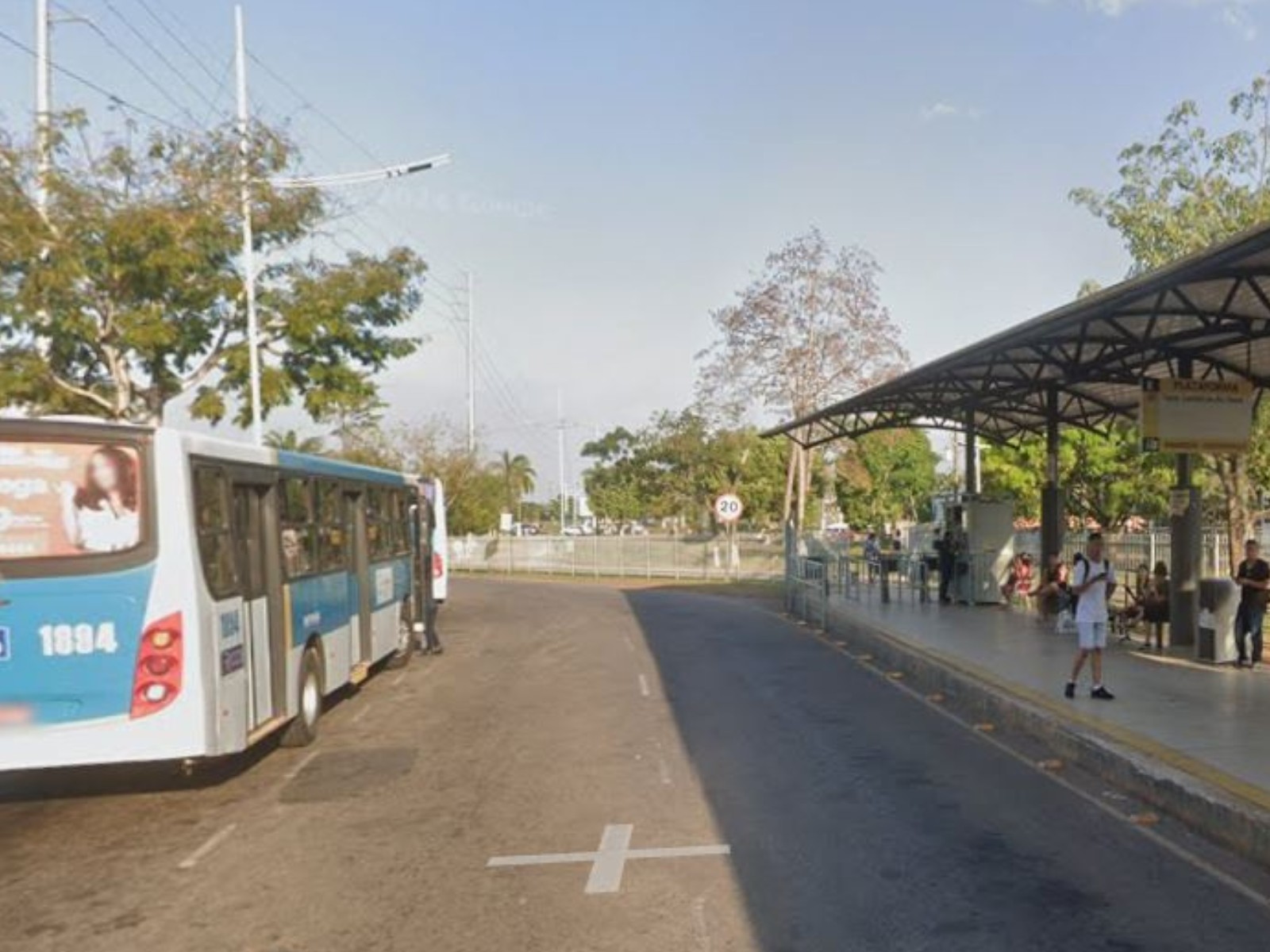
The Federal University of Acre (Ufac) has extended the suspension of its undergraduate classes in Rio Branco until Saturday, April 4th, due to a significant reduction in the city's public bus fleet. The decision, initially made for April 1st and 2nd, was prolonged to ensure students can access academic activities safely and equitably. The university's Graduate Studies Pro-Rectory (Prograd) confirmed the measure and will issue guidance for class rescheduling, including the potential use of 'Trabalho Discente Efetivo' (TDE). The suspension highlights the ongoing crisis in Rio Branco's public transportation system. This situation stems from the seizure of 38 buses belonging to Ricco Transportes e Turismo, the company currently operating the city's public transport, following a court order related to a debt of nearly R$3 million. The judicial order, originating from a court in Brasília, mandates the repossession of 50 buses. Ricco Transportes stated that only 48 buses were operational, with one vehicle per line, and confirmed they intend to appeal the decision. This is not the first time the company's buses have been subject to judicial seizure, with a similar incident occurring in July 2024 in São Paulo due to overdue financing payments. In response to the transportation crisis, the Rio Branco City Hall is negotiating an extension of the emergency contract with Ricco Transportes for 30 to 60 days while awaiting the arrival of new buses from JTP Transportes, Serviços, Gerenciamento e Recursos Humanos LTDA. However, Ricco's owner indicated the company does not plan to renew its contract. As a temporary measure, the city has authorized a R$5 taxi-lotação service to operate on key routes, aiming to mitigate the impact of the reduced bus service. This temporary solution is more expensive than the standard R$3.50 bus fare.
The disruption of public transportation in Rio Branco, leading to university class suspensions, exposes systemic challenges in municipal service provision and contract management. The reliance on emergency contracts and judicial interventions suggests potential governance gaps and financial instability within the transport sector. The city's strategy of extending emergency contracts while awaiting new operators, coupled with the current operator's reluctance to renew, indicates a precarious transition phase. The introduction of a more expensive taxi-lotação service as a stopgap measure highlights the trade-offs between accessibility, affordability, and service continuity during such crises. Future urban planning must prioritize robust, long-term transit solutions that are resilient to financial shocks and ensure equitable access for all citizens, particularly students.
AI-generated to prompt reflection — not editorial opinion, not advice, not a statement of fact. How this works.