Rio BRT to offer special Rock in Rio 2026 express bus service for R$29
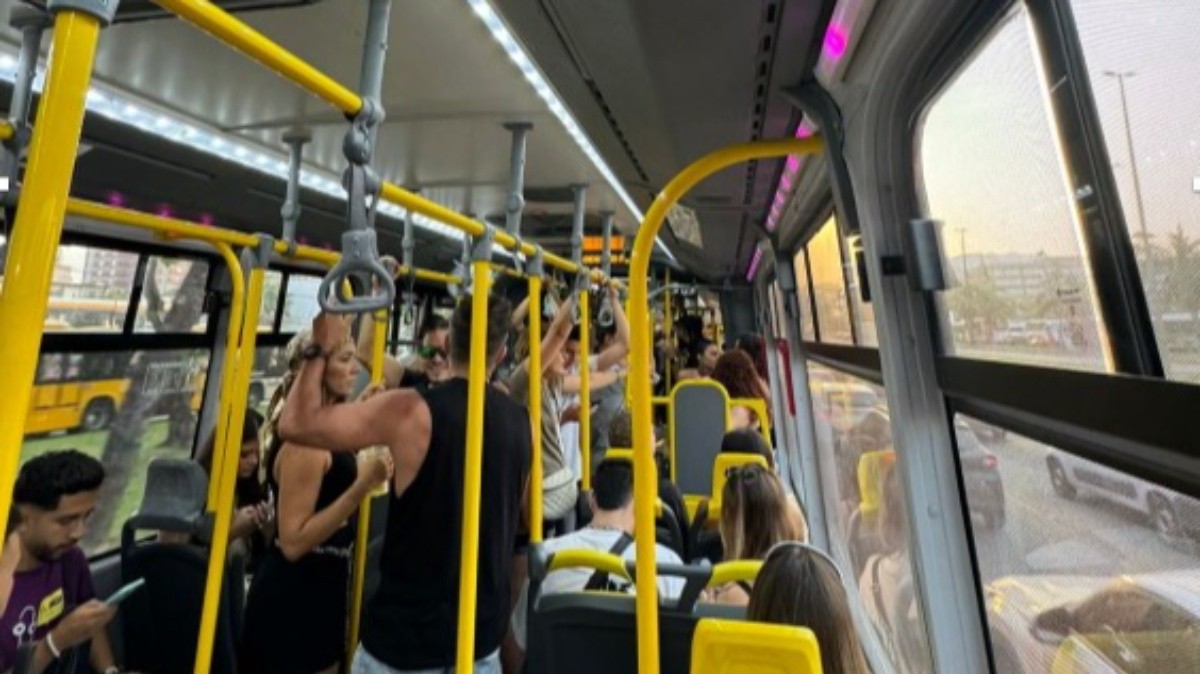
The Rio de Janeiro City Hall has announced a special BRT (Bus Rapid Transit) operation to serve attendees of Rock in Rio 2026. This temporary service will feature three express lines, with a fare of R$29 per passenger for the duration of the festival. The special services will operate exclusively on September 4, 5, 6, 7, 11, 12, and 13, coinciding with the event held at Parque Rita Lee in Barra da Tijuca. The city anticipates an attendance of up to 100,000 people daily. The designated lines are SE008 (Terminal Jardim Oceânico x Terminal Centro Olímpico), SE009 (Terminal Alvorada x Estação Morro do Outeiro), and SE010 (Terminal Paulo da Portela x Estação Morro do Outeiro). Payment for the R$29 fare will be facilitated through the "Jaé" digital ticketing system. This price was determined based on the additional costs associated with the special operation managed by MOBI-Rio for the festival. For passengers using the regular BRT network to reach the Terminal Centro Olímpico or Estação Morro do Outeiro, an additional R$24 will be charged, totaling R$29 when combined with the standard R$5 fare. These passengers will receive a wristband for their return trip after the event. Those who opt for only the special service on the return or did not pay the BRT fare on their way in will pay the full R$29 upon boarding for the return trip. The special operation will utilize articulated and standard buses on exclusive BRT infrastructure to minimize disruption to regular city lines. The city aims to encourage public transport use, reduce traffic congestion, and ensure smooth travel for festival-goers. Specific BRT stations near Parque Rita Lee will have adjusted operating hours, including Estação Rio 2 (5 am-10 pm), Estação Parque Olímpico (6 am-10 am), Estação Pedro Corrêa (5 am-midnight), and Estação Rede Sarah (24 hours).
The implementation of a dedicated, premium-priced BRT service for Rock in Rio 2026 highlights a common urban challenge: balancing the significant logistical demands of large-scale events with the need for efficient, accessible public transportation for all citizens. The R$29 fare, while justified by the city as covering extra operational costs, represents a substantial premium over standard transit fares. This strategy incentivizes event attendees to utilize a specialized system, potentially alleviating pressure on regular transit lines, but also raises questions about equitable access for lower-income festival-goers or residents who might otherwise rely on standard services. Future urban event planning could explore tiered pricing models or integrated public-private partnerships to subsidize specialized event transit, ensuring both operational viability and broader accessibility in the face of increasing event tourism and its associated infrastructure demands.
AI-generated to prompt reflection — not editorial opinion, not advice, not a statement of fact. How this works.