Rio Bus Strike: Talks Fail Again, Union to Hold New Assembly
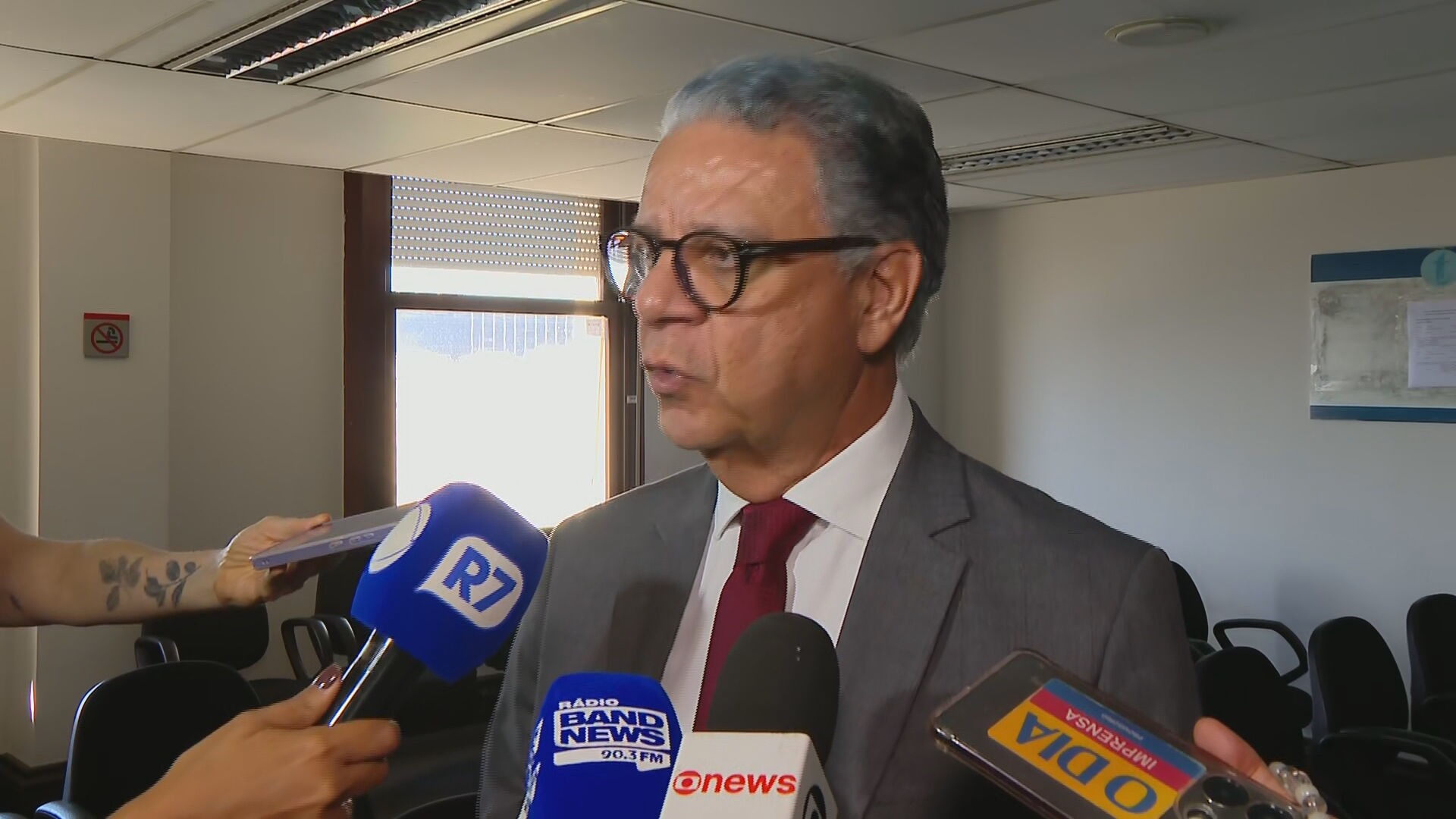
The fifth conciliation hearing between bus drivers and Rio Ônibus companies regarding the ongoing strike in Rio de Janeiro concluded without an agreement on Wednesday, May 22nd, at the Regional Labor Court (TRT-RJ). Consequently, the bus drivers' strike status remains in effect. A new assembly for the drivers is scheduled for Thursday, May 23rd, at 4 PM. The TRT has given both parties 10 days to submit their proposals, after which the Labor Court will make a decision. Presiding Judge Gustavo Tadeu Alckmin of TRT-RJ explained that if the drivers' union accepts the companies' proposal and wishes to resume negotiations, the court remains open. However, if consensus is not reached, the legal process will proceed with both sides presenting defenses, the Public Prosecutor's Office offering its opinion, and a rapporteur judge being appointed to determine the strike's legality. The drivers' union rejected Rio Ônibus's offer of a 5% salary increase and a 6% rise in the basic food allowance, with no deductions from the allowance for strike days. The drivers, who initially demanded a 17% increase and later revised it to 12% in two installments, had previously rejected a similar offer. A key point of contention is the 7.5-hour workday, with drivers claiming the half-hour break is insufficient for meals or rest and is deducted from their pay. The Public Prosecutor's Office supported the drivers' argument, urging companies to find a resolution. Rio de Janeiro has approximately 3,600 buses in operation. The drivers are demanding a 12% pay raise in two installments, a base salary of R$5,000 for BRT drivers and R$4,000 for others, a R$1,000 food allowance, health insurance, and changes to work schedules and the 7.5-hour workday. The employers have offered a 5% increase and stated no further counter-proposals would be made.
The repeated failure to reach an agreement in the Rio de Janeiro bus drivers' strike highlights a significant impasse in labor negotiations, driven by divergent financial expectations and operational concerns. The drivers' demand for a 12% raise and improved working conditions, including a revised workday structure, contrasts sharply with the employers' offer of a 5% increase. This gap suggests a potential disconnect in perceived value and the financial capacity or willingness of Rio Ônibus to meet union demands. The intervention of the Labor Court, while aiming for resolution, introduces a layer of external arbitration that may not fully capture the nuanced operational realities or the drivers' immediate needs. Moving forward, systemic solutions might involve exploring alternative revenue streams for public transport, transparent cost-benefit analyses of proposed wage increases, and potentially independent mediation to bridge the trust deficit between drivers and management, ensuring service continuity and fair labor practices in the long term.
AI-generated to prompt reflection — not editorial opinion, not advice, not a statement of fact. How this works.