Rio Claro Family Fears Home Collapse Due to Adutora Rupture
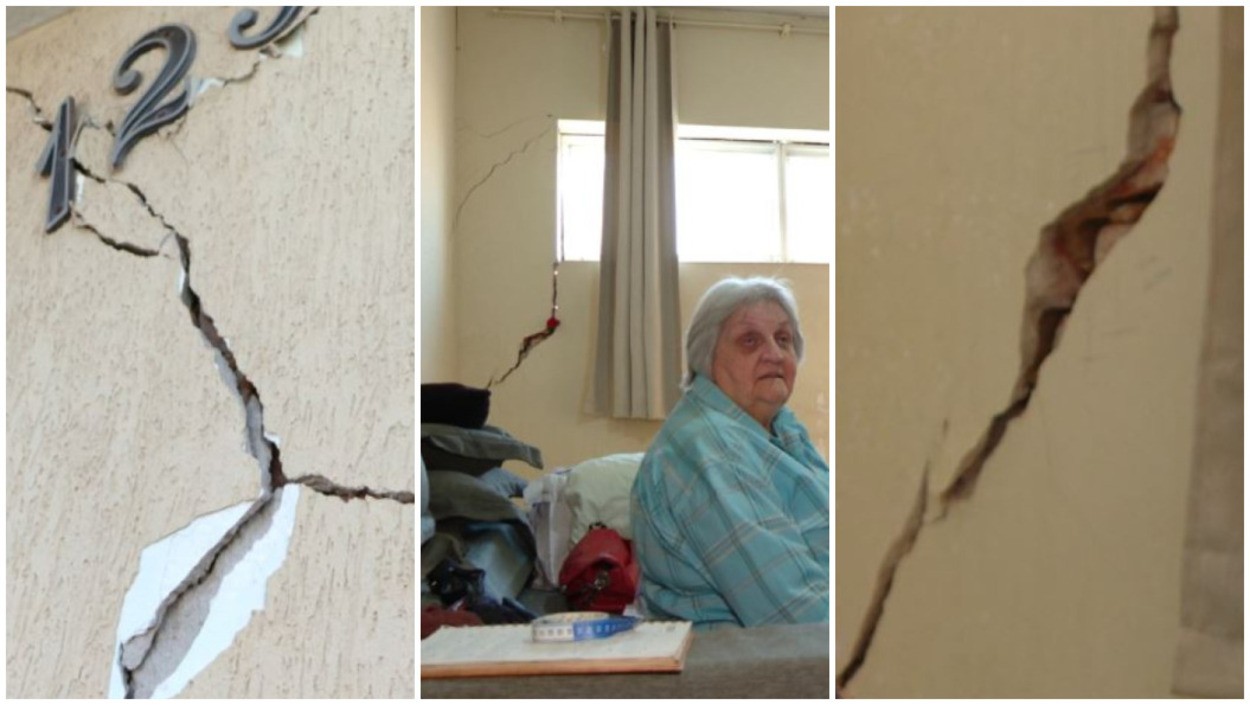
A family in Rio Claro, São Paulo, has been living in fear for two years, concerned about the potential collapse of their home due to extensive structural damage. The severe cracks, some over a finger wide, appeared after a water adutora ruptured, compromising the property's integrity. The damage is so significant that parts of the house, including windows and doors, appear unstable, and the garage is unusable. The retired teacher, Mirian Gandolpho, 82, has had to move rooms and is experiencing anxiety and depression, requiring antidepressant medication. Her daughter, Maria Fernanda Espadoto, a Human Resources analyst, reported the adutora rupture to the Autonomous Department of Water and Sewage (Daae) and was initially given a 24-hour timeframe for a solution. The situation escalated from a sidewalk issue to a 'terrible roar' and structural damage resembling a 'earthquake.' Daae stated that they are not evading responsibility but had to involve the judiciary due to public funds. They cited a legal requirement for administrative or judicial review to determine compensation and the autarchy's liability. Daae also mentioned that a court-appointed expert's report indicated 'no imminent risk of rupture' and that they are providing necessary information to the court. The family, however, insists that half the house requires demolition and reconstruction, not mere repairs, to be habitable again, and they seek fair compensation for their losses and peace of mind.
This situation highlights a conflict between a municipal water authority's legal and administrative processes and a family's urgent need for safety and compensation. The Daae's reliance on judicial review for public fund allocation, while legally sound, creates a protracted period of distress for the affected residents. The discrepancy between the family's assessment of imminent danger and the expert's report of no immediate risk underscores the challenges in quantifying structural damage and its potential consequences. Future infrastructure projects and emergency response protocols could benefit from clearer frameworks for addressing property damage caused by utility failures, potentially including expedited assessment and compensation mechanisms that balance public accountability with immediate resident welfare. This case also points to the systemic challenge of ensuring infrastructure resilience and the long-term costs associated with delayed maintenance or inadequate response to failures.
AI-generated to prompt reflection — not editorial opinion, not advice, not a statement of fact. How this works.